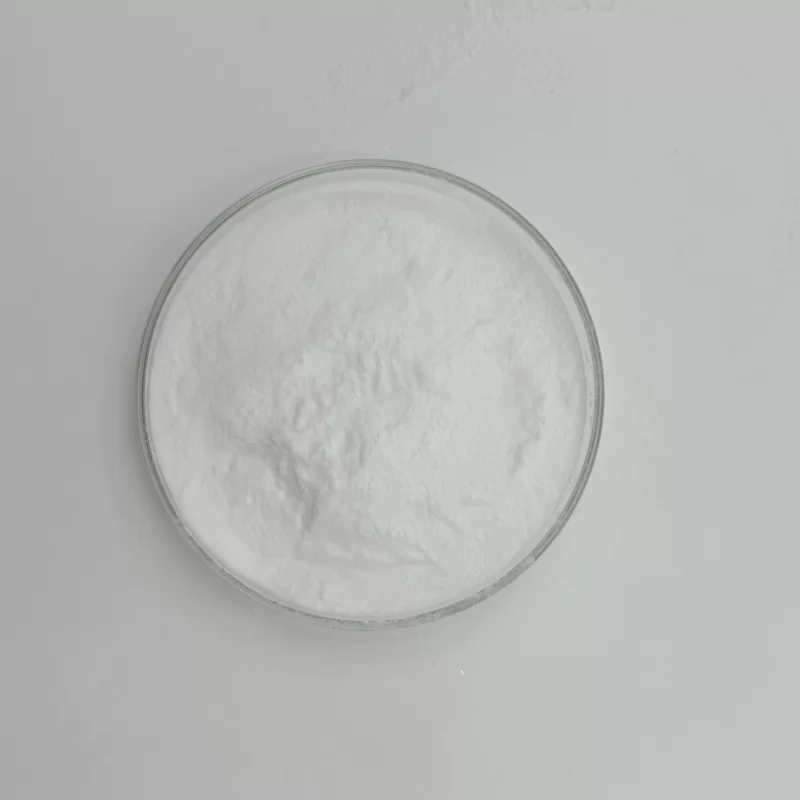
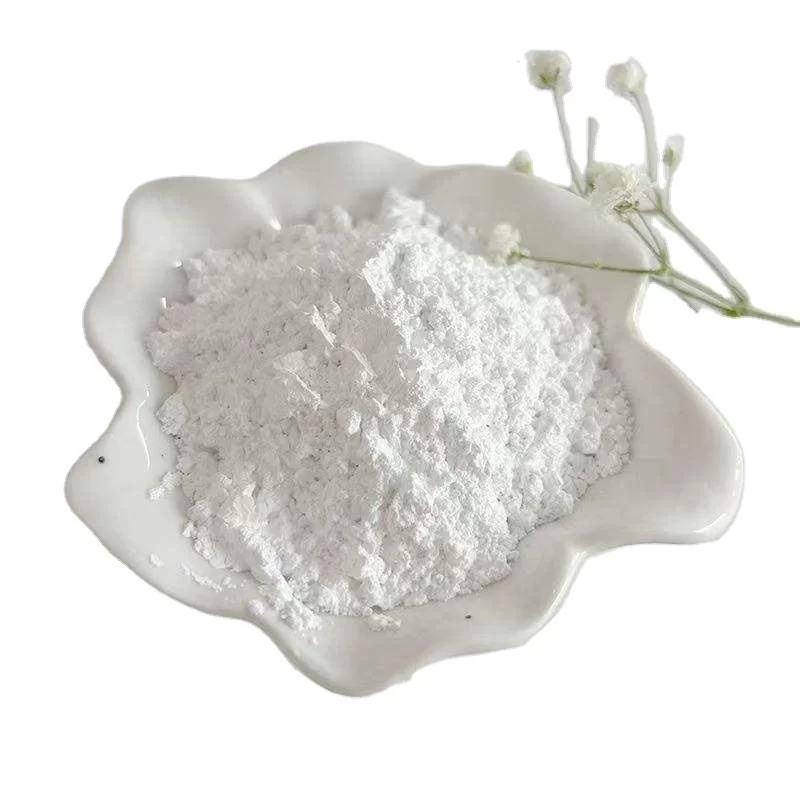
Talc powder use has expanded far beyond traditional personal care products. Today, talc is widely used in cosmetics, pharmaceuticals, food processing, plastics, ceramics, coatings, and many industrial sectors because of its softness, absorbency, chemical stability, and smooth texture. Businesses and consumers searching for safe talcum powder solutions are increasingly interested in understanding how talc works, the different types of talcum powder available, and how to select healthy talcum powder products for specific applications.
As global demand continues to grow, manufacturers and suppliers focus on producing high-purity talc materials suitable for cosmetics, food-grade processing, medical applications, and industrial manufacturing. One recognized supplier in this field is Shijiazhuang Fengersheng Mining Co., Ltd./, which provides talc powder products for multiple industries.
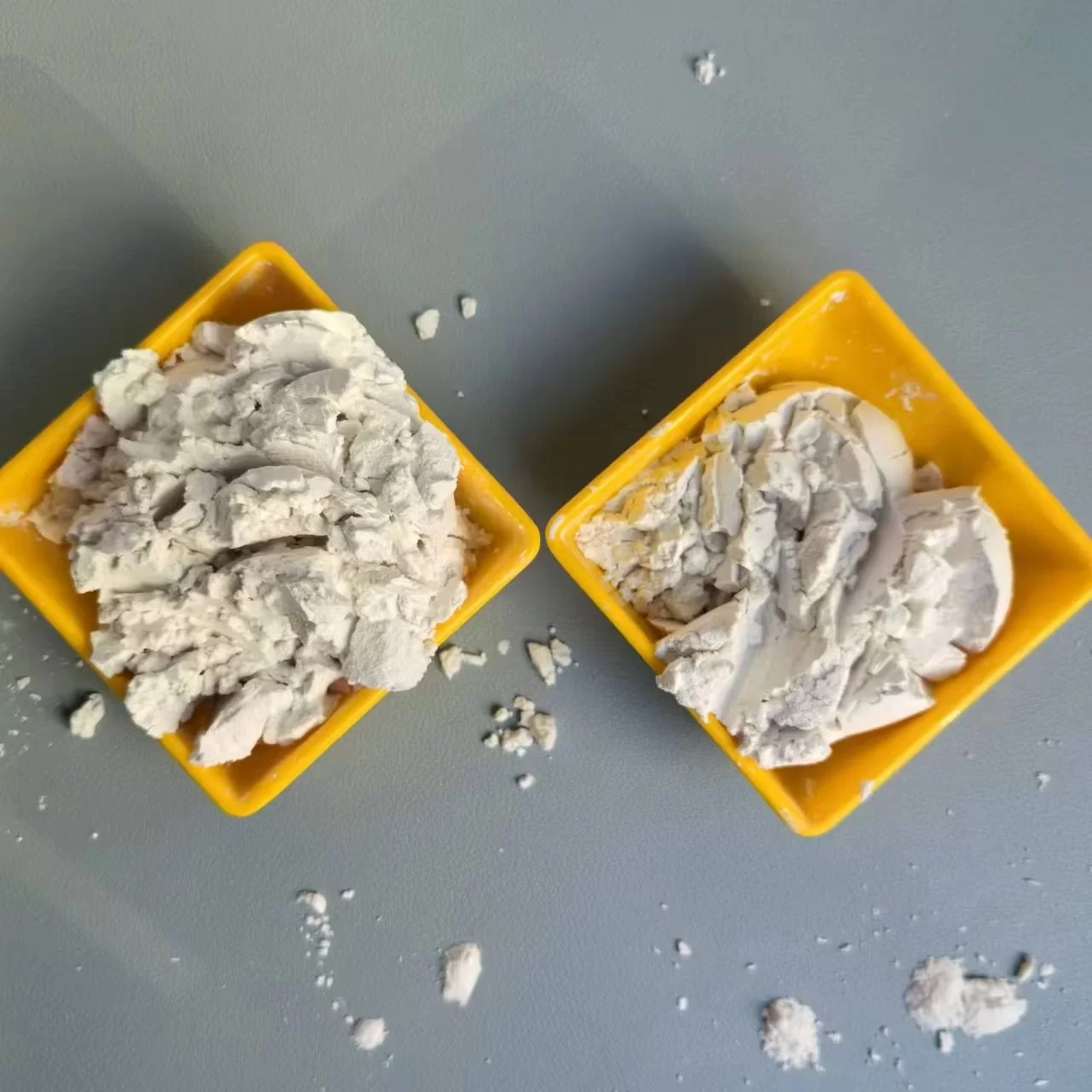
Talc is a naturally occurring mineral composed mainly of magnesium, silicon, and oxygen. It is considered one of the softest minerals on Earth, which makes it ideal for grinding into a fine powder. Talcum powder is valued for its moisture absorption, lubrication properties, smooth feel, heat resistance, and chemical inertness.
Modern talcum powder products are manufactured in different particle sizes and purity levels depending on their intended use. Cosmetic-grade talc, food-grade talc, and industrial-grade talc all require specific processing standards.
Because of its versatility, talc powder use can be found in:
Skin care and cosmetics
Baby and adult body powders
Pharmaceutical tablets
Food processing
Paints and coatings
Rubber and plastics
Ceramics and paper production
Agriculture and animal feed additives
Understanding the different types of talcum powder helps buyers select the correct product for their needs.
Cosmetic-grade talc is commonly used in face powders, body powders, and beauty products. This type of talcum powder for skin is processed to achieve high purity, smooth texture, and excellent absorbency.
Features include:
Fine particle size
Smooth application
Good oil absorption
Soft skin feel
High whiteness
Cosmetic-grade talc is often considered a good talcum powder for skin because it helps reduce moisture and friction.
Pharmaceutical-grade talc is used in tablets, capsules, and medical powders. Talcum powder medical use includes acting as a glidant, anti-caking agent, and tablet lubricant.
This material must meet strict purity standards and controlled manufacturing requirements.
Talcum powder in food applications is mainly used as an anti-caking agent or processing aid. Food-grade talc may help improve texture, prevent clumping, and assist in food manufacturing processes.
Food-grade talc requires compliance with food safety regulations and strict contamination control.
Talcum powder industrial use includes plastics, rubber, ceramics, paint, paper, and construction materials.
Industrial talc improves:
Dimensional stability
Heat resistance
Surface smoothness
Reinforcement strength
Process efficiency
Many manufacturers select industrial talc because it enhances product performance while reducing production costs.
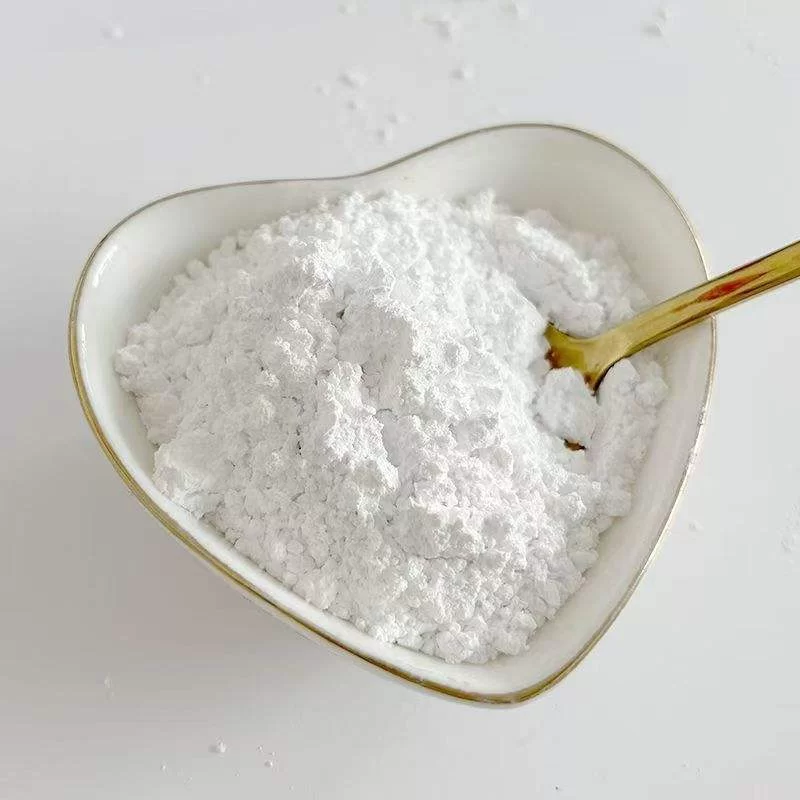
One of the most popular talc powder use categories is personal care. Talcum powder for skin helps absorb sweat, reduce friction, and keep the body dry.
Common applications include:
Body powders
Foot powders
Facial powders
Sports powders
Anti-chafing powders
Adult talcum powder products are especially popular in warm climates and active lifestyles where moisture control is important.
Consumers often choose healthy talcum powder products because of several practical benefits:
Talc helps absorb excess moisture from the skin surface, reducing discomfort caused by sweating.
The smooth texture helps reduce rubbing and irritation, especially in areas prone to chafing.
Many users apply talcum powder after bathing or exercise to maintain dryness and freshness.
High-quality talc provides a silky feeling that improves comfort during daily wear.
Talc powder for rashes is commonly used to help keep irritated areas dry and reduce skin friction. Excess moisture can worsen discomfort in skin folds or areas exposed to heat and sweat.
When selecting talc products for sensitive skin, users typically prefer:
Fine particle size
High purity
Fragrance-free formulas
Cosmetic-grade quality
Consumers should always follow product directions and avoid excessive inhalation of powder particles.
Adult talcum powder is used in many daily hygiene and comfort routines. Unlike baby powder products, adult body powders may include additional ingredients for cooling effects, fragrance, or deodorizing performance.
Popular uses include:
Gym and sports activities
Workplace comfort
Foot care
Post-shower body care
Summer skin protection
Shoe moisture control
Many consumers searching for safe talcum powder products focus on purity, skin compatibility, and responsible sourcing.
Talcum powder medical use plays an important role in pharmaceutical manufacturing and healthcare products.
Medical applications may include:
Tablet lubrication
Capsule processing
Anti-caking agents
Medical glove powder alternatives in some formulations
Dermatological powders
Pharmaceutical-grade talc must undergo strict quality control to ensure consistency and safety.
Medical manufacturers typically require:
Controlled particle size
High whiteness
Low impurity levels
Stable chemical composition
Reliable supply chains
Talcum powder in food manufacturing serves several specialized functions. Food-grade talc is commonly used in processing environments where anti-caking or anti-stick performance is required.
Examples include:
Rice polishing
Chewing gum processing
Food additive carriers
Powdered ingredient stabilization
Because food applications involve direct or indirect contact with consumable products, manufacturers require high-purity mineral processing and strict compliance standards.
Industrial sectors represent one of the largest areas of talc powder use globally.
In plastics manufacturing, talc improves stiffness, dimensional stability, and heat resistance.
Talc helps improve coating smoothness, suspension performance, and corrosion resistance.
Ceramic producers use talc to improve thermal resistance and product durability.
Talc functions as a filler and coating agent that improves printability and paper smoothness.
Rubber manufacturers use talc as a processing aid and anti-stick material.
Industrial buyers often evaluate talc suppliers based on:
Consistent mineral quality
Production capacity
Particle size customization
Export capability
Technical support
Consumers looking for a good talcum powder for skin should evaluate several factors before purchasing.
High-purity talc is generally preferred for personal care applications.
Fine particles provide smoother application and better skin feel.
Fragrance-free or hypoallergenic products may be more suitable for sensitive skin.
Different products are designed for body care, cosmetics, medical use, or industrial applications.
Reliable suppliers maintain strict quality control and transparent production standards.
Interest in healthy talcum powder products has increased significantly as consumers pay closer attention to ingredient quality and sourcing practices.
Responsible manufacturers focus on:
Careful mineral selection
Advanced purification processes
Quality assurance systems
Compliance with international standards
Consistent product testing
When sourcing talc powder for commercial applications, buyers should work with experienced suppliers capable of providing detailed product specifications and stable long-term supply.
Despite the development of alternative materials, talc remains highly valuable because of its unique combination of properties:
Softness
Lubrication performance
Chemical stability
Moisture absorption
Heat resistance
Cost efficiency
Processing versatility
From cosmetic powders to industrial plastics, talc continues to support manufacturing innovation across global markets.
Companies such as Shijiazhuang Fengersheng Mining Co., Ltd. supply talc powder products for cosmetic, pharmaceutical, food, and industrial applications, helping businesses source materials tailored to their production requirements.
Talc powder use spans a wide range of industries, including cosmetics, pharmaceuticals, food processing, ceramics, paints, plastics, and personal care. Whether consumers are searching for safe talcum powder for skin comfort or manufacturers require industrial-grade mineral fillers, talc remains one of the most versatile natural minerals available.
Understanding the different types of talcum powder helps businesses and consumers choose the right material for their specific needs. From adult talcum powder and talc powder for rashes to talcum powder medical use and talcum powder industrial use, quality, purity, and supplier reliability are essential factors.
As demand for healthy talcum powder products continues to grow worldwide, experienced suppliers with strong quality control systems will remain important partners for global buyers.
Our high-purity diatomaceous earth, sourced from premium deposits, boasts excellent adsorption, filtration & thermal stability. Ideal for water treatment, food processing, agriculture & industrial applications. Safe, eco-friendly & cost-effective—delivers reliable performance for your professional needs.
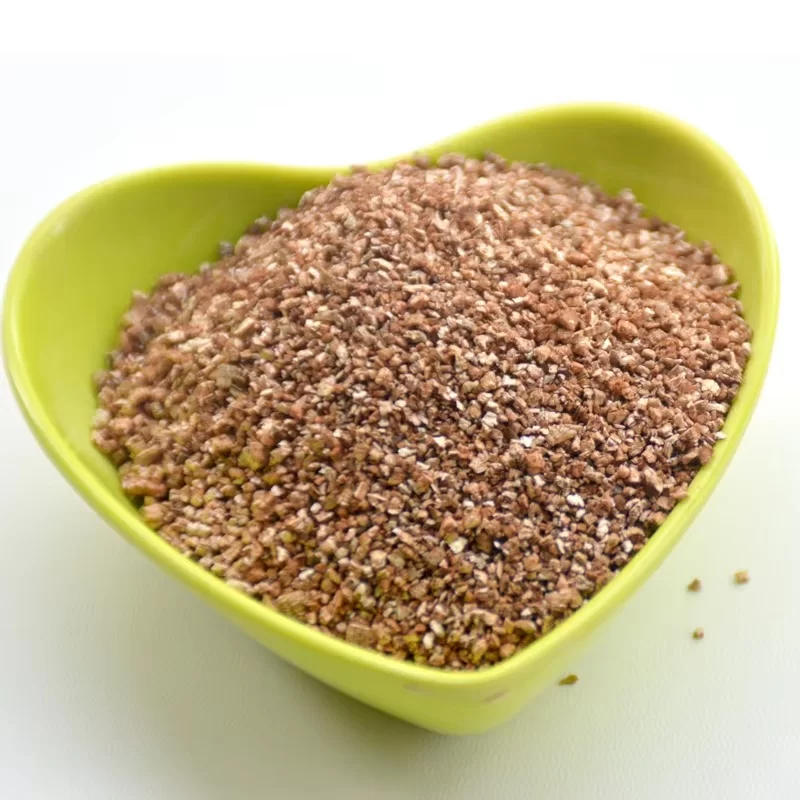
Yellow vermiculite is primarily sourced from the alteration of biotite or phlogopite mica in igneous and metamorphic rocks. Major deposits exist in South Africa, the US, and China, extracted via mining then processed through heating for expansion.
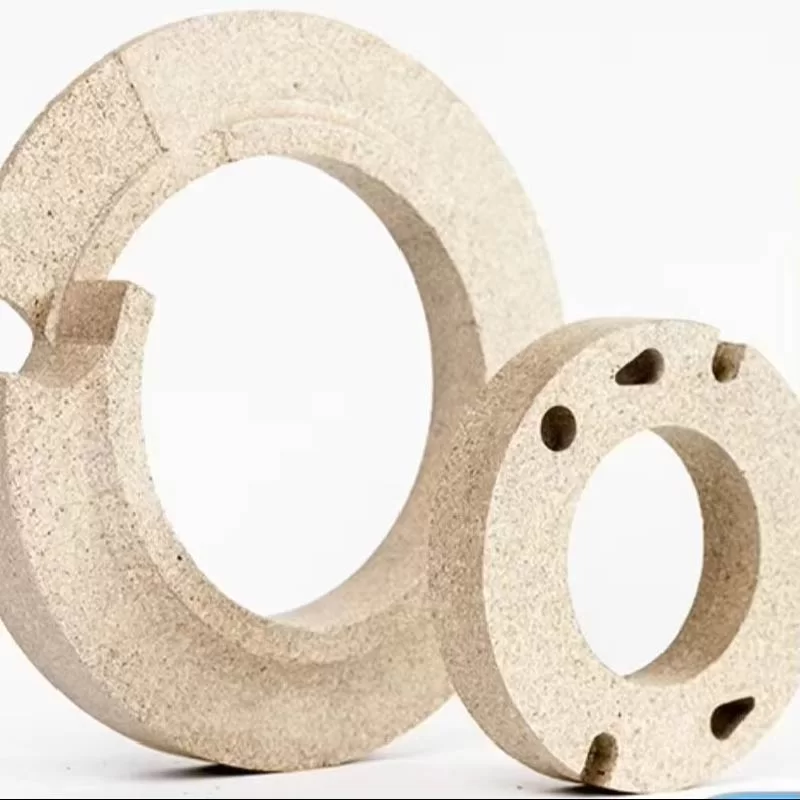
Vermiculite boards are rigid, lightweight panels made from expanded vermiculite and binders. They excel in fire resistance, heat insulation, and sound absorption, widely used in construction (wall linings) and industrial settings (equipment insulation) for safety and energy efficiency.
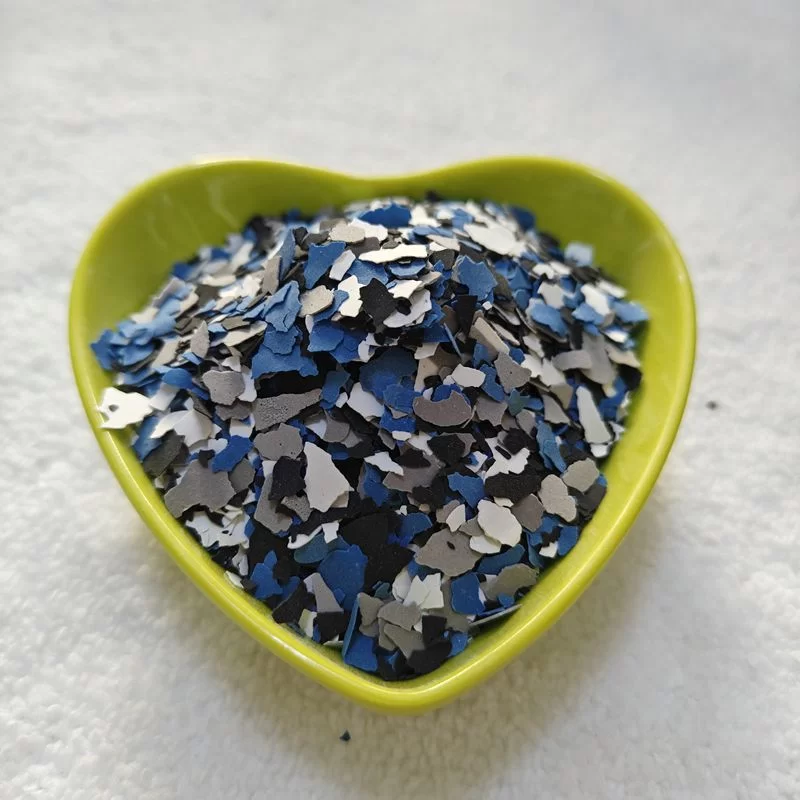
Environmentally friendly composite flakes for green building projects. Low VOC, water-based formulation with excellent coverage and application properties. LEED compliant.
Hollow glass microspheres are lightweight spherical particles characterized by a smooth and reflective surface. Predominantly formulated with alkali-lime borosilicate glass, they possess a distinctive set of properties: low density, high mechanical strength, low thermal conductivity, excellent electrical insulation performance, temperature resistance, chemical stability, and good fluidity. These multi-functional microspheres are extensively utilized in adhesives, corrosion-resistant coatings, insulating coatings, construction materials, rubber products, synthetic wood, oilfield cementitious materials, and lightweight automotive composite materials.
Advanced composite flakes for realistic granite simulation. 0.3mm thickness with irregular edges creates authentic stone texture. Excellent UV resistance and weatherability for long-term performance.
Rather than elaborate artificial carving, pebbles preserve the marks formed by time and natural forces to the greatest degree. Available in various colors and complete sizes, they’re extensively applied in landscape and construction sectors due to their natural properties, water permeability, wear resistance and abundant natural appeal—such as paving, garden paths, water feature design, cultural stone, stone cladding and filter media.
Biotite
Particle Size: 3-400mesh
Application: In the architectural coatings industry, stone-like paint and water-based paint are used for decorative purposes.

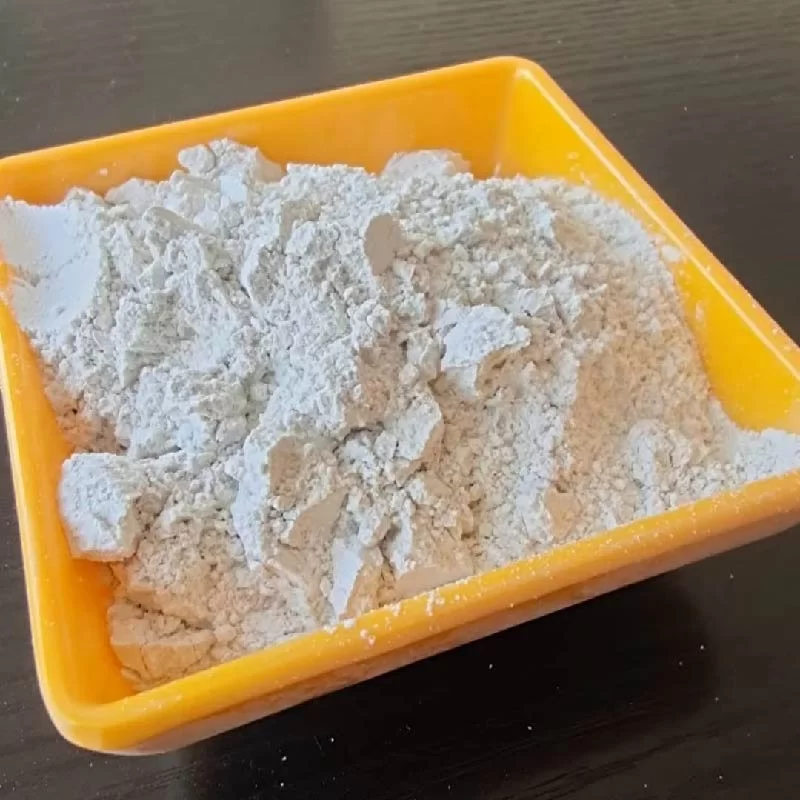
This article explores what sericite is, how it is used in makeup, its benefits, formulation advantages, and why global cosmetic brands continue to rely on this versatile mineral.




If you are interested in our products, you can choose to leave your information here, and we will be in touch with you shortly.