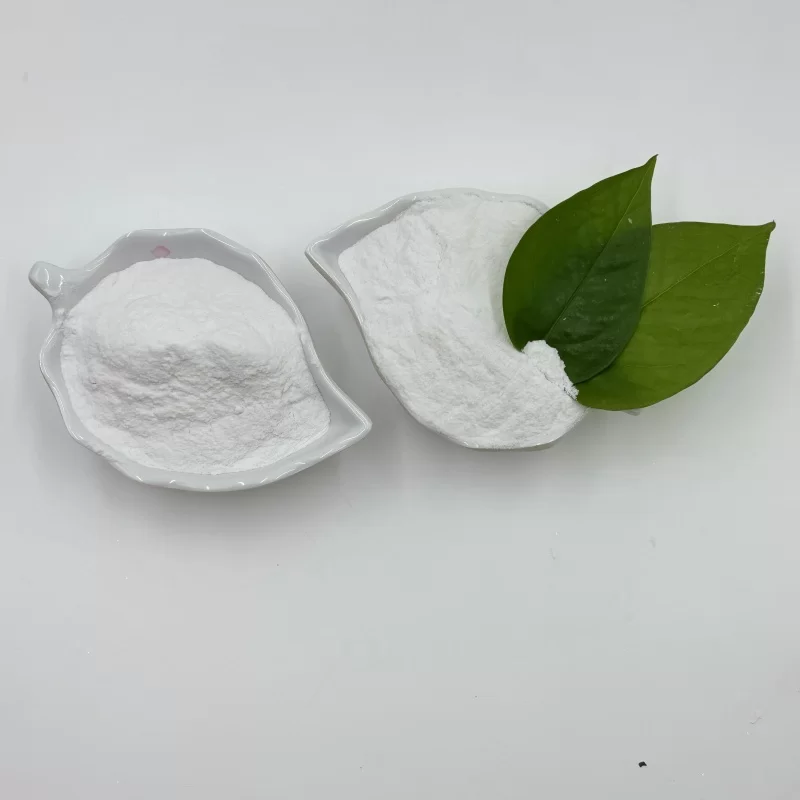
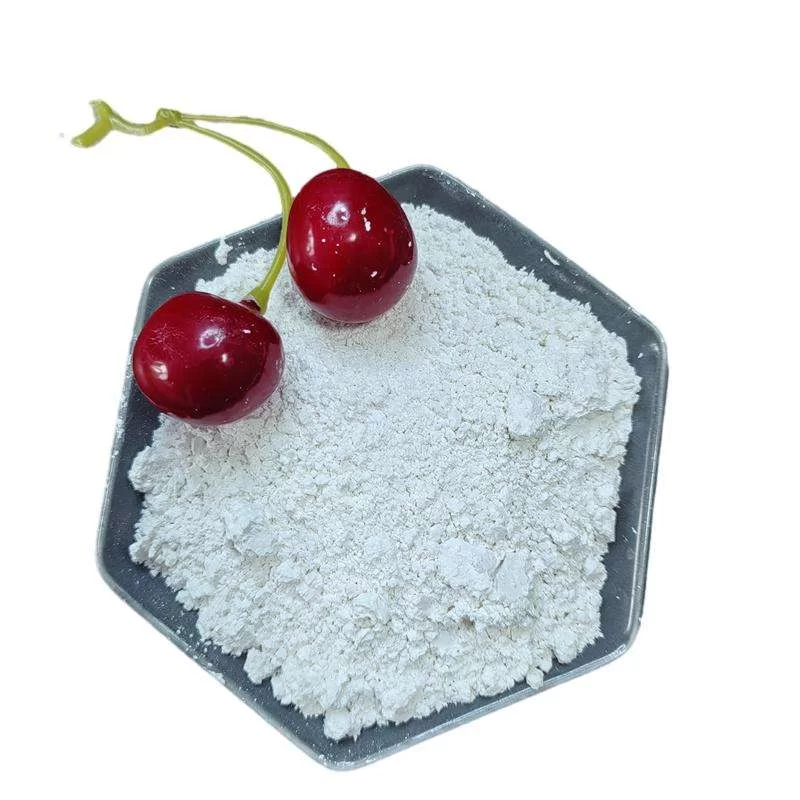
Talc powder has been widely used for decades in cosmetics, plastics, ceramics, paints, paper, pharmaceuticals, and personal care products. Despite its versatility and effectiveness, many consumers today are asking one important question: Is talc powder safe?
The answer is not entirely black and white. Pure talc itself is generally considered safe for many industrial and cosmetic applications, but concerns arise when talc is contaminated with asbestos, a known carcinogen. Understanding the difference between high-quality purified talc and contaminated talc is essential for manufacturers, buyers, and consumers alike.
This article explores the science, risks, regulations, and practical safety considerations surrounding talc powder.
Talc is a naturally occurring mineral composed mainly of magnesium, silicon, oxygen, and hydrogen. It is known for its softness, moisture absorption, lubricating properties, and chemical stability.
Industries use talc powder because it can:
Absorb moisture efficiently
Improve texture and smoothness
Prevent caking
Enhance product durability
Provide lubrication in manufacturing processes
Talc is commonly found in:
Baby powders
Face powders and cosmetics
Ceramics
Paints and coatings
Plastics and rubber
Paper production
Pharmaceutical tablets
Food processing applications
The controversy surrounding talc mainly involves asbestos contamination.
Talc and asbestos are naturally occurring minerals that may form near each other underground. If mining and purification processes are not carefully controlled, asbestos fibers can contaminate talc deposits. According to the U.S. Food and Drug Administration, asbestos exposure is linked to serious health conditions, including mesothelioma and lung disease.
The concern is not necessarily the talc mineral itself, but whether the talc has been adequately tested and refined to ensure it is asbestos-free.
Many experts and regulatory agencies maintain that properly processed, asbestos-free talc can be safe when used as intended.
The U.S. Food and Drug Administration notes that while questions remain about long-term exposure and specific uses, research has not conclusively proven that asbestos-free talc directly causes cancer.
High-purity industrial and cosmetic talc products typically undergo:
Mineral selection controls
Laboratory asbestos testing
Quality assurance inspections
Particle size control
Chemical purity analysis
Reputable manufacturers prioritize strict mining source management and modern testing methods to reduce contamination risks.
Not all talc powder products are identical.
Cosmetic talc is refined for use in:
Makeup
Baby powder
Skin care products
Personal hygiene products
It usually requires stricter purity standards and fine particle consistency.
Industrial talc may be used in:
Plastics
Rubber
Ceramics
Construction materials
Paints
Industrial applications focus more on physical performance characteristics rather than skin contact safety.
Because different grades serve different purposes, manufacturers must follow application-specific quality standards.
Scientific research on talc safety has produced mixed findings over the years.
Some studies suggested a possible association between frequent genital use of talcum powder and ovarian cancer. However, the U.S. Food and Drug Administration states that current evidence remains inconclusive.
Other studies have focused on inhalation risks, especially when contaminated talc contains asbestos fibers.
Important factors influencing risk include:
Purity of the talc source
Presence of asbestos contamination
Frequency of exposure
Inhalation of airborne particles
Product application method
Loose powders may pose greater inhalation concerns compared to compressed or non-airborne products.
Governments and regulatory agencies continue to evaluate talc safety standards worldwide.
The U.S. Food and Drug Administration has conducted repeated testing of talc-containing cosmetic products for asbestos contamination. Several FDA surveys found many tested products free from detectable asbestos contamination.
At the same time, regulators continue to review testing protocols and safety policies as scientific understanding evolves. Recent discussions have focused on creating more standardized asbestos detection methods for talc-containing products.
Consumers and industrial buyers should evaluate talc suppliers carefully.
Key factors include:
Reliable suppliers should disclose:
Mining origins
Testing procedures
Quality certifications
Safety documentation
Independent asbestos testing improves confidence in product safety.
Experienced mineral manufacturers often maintain stricter production controls and quality systems.
Always select talc designed specifically for the intended application.
For industrial buyers seeking professional healthy talcum powder solutions, Shijiazhuang Fengersheng Mining Co., Ltd. supplies mineral products for multiple industries with a focus on quality control and industrial applications.
Some manufacturers and consumers now prefer talc-free alternatives, such as:
Cornstarch
Rice powder
Silica-based materials
Kaolin clay
These alternatives may reduce concerns related to asbestos contamination. However, talc remains widely used because of its unique softness, lubrication, and cost-effectiveness.
The best option depends on:
Intended application
Regulatory requirements
Product performance needs
Consumer preferences
Safety verification standards
The talc industry continues evolving with stronger testing technologies and stricter sourcing standards.
Modern manufacturers increasingly emphasize:
Advanced mineral analysis
Electron microscopy testing
Safer mining selection
Regulatory compliance
Transparent supply chains
As public awareness grows, demand for verified asbestos-free talc products will likely continue increasing across cosmetic and industrial sectors.
Final Thoughts
So, is talc powder safe?
In many cases, high-quality asbestos-free talc can be safely used in industrial and cosmetic applications when properly processed and tested. The primary safety concern relates to asbestos contamination rather than the talc mineral itself.
Consumers and manufacturers should focus on sourcing products from reliable suppliers that follow strict quality control procedures and transparent testing practices.
Understanding product grade, intended use, and supplier credibility is essential when evaluating talc powder safety.
Pure talc does not inherently contain asbestos, but contamination can occur naturally during mining because talc and asbestos deposits may exist close together underground.
Research remains inconclusive regarding asbestos-free talc. However, asbestos-contaminated talc is considered dangerous and has been linked to serious diseases.
Some brands use talc-free alternatives to address consumer concerns about asbestos contamination and evolving regulations.
Industrial talc can be safe when sourced and processed correctly for its intended application. Safety depends heavily on purity, testing, and compliance standards.
Look for suppliers that provide:
Transparent sourcing information
Third-party testing reports
Consistent quality certifications
Industry experience
Regulatory compliance documentation
Talc powder is commonly used in:
Cosmetics
Plastics
Rubber
Ceramics
Paints
Paper
Pharmaceuticals
Construction materials
Emily Carter is an industrial minerals content specialist focusing on mining materials, manufacturing applications, and raw material safety standards. She regularly writes about talc powder, mica, calcium carbonate, and mineral processing technologies for global B2B industries.
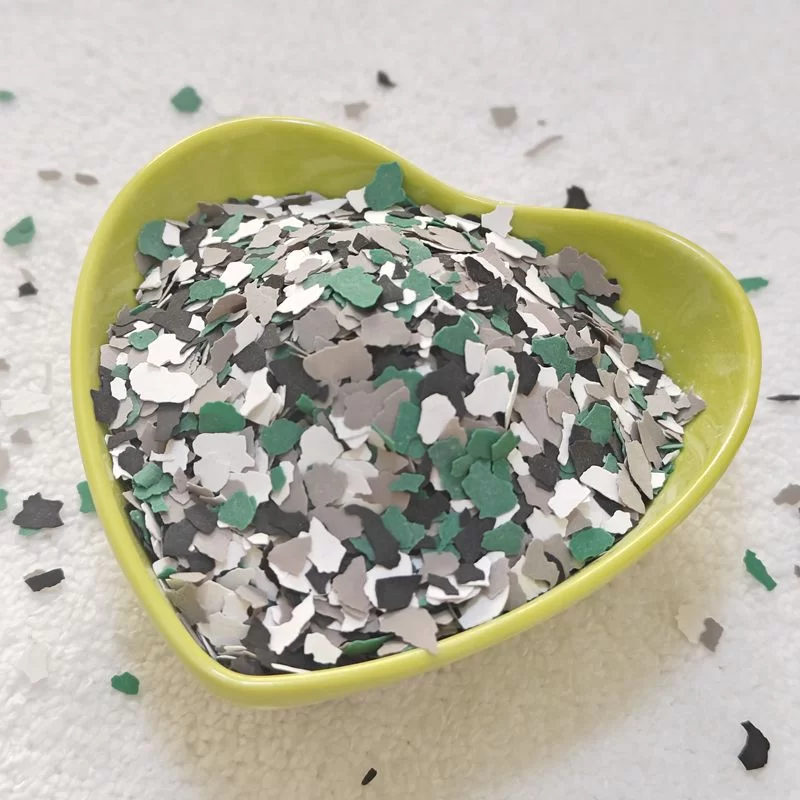
Fine grade natural rock flakes specifically for interior wall coatings and artistic finishes. 40-60 mesh size provides smooth texture and excellent coverage. Non-toxic, odorless, and environmentally safe for residential and commercial interiors.
Derived from grinding natural carbonate minerals like calcite, marble, and limestone, Heavy calcium carbonate is a go-to powdered inorganic filler in multiple industries. It delivers core advantages: high chemical purity, strong inertness, chemical reaction resistance, stable thermal performance (no decomposition under 400℃), plus high whiteness, low oil absorption, low refractive index, soft texture, no crystal water, low hardness (minimal abrasion), non-toxicity, odorlessness, and great dispersibility. This makes it widely used in rubber, plastics, paints, water-based coatings, papermaking, concrete, and fireproof ceiling materials.
Glass powder acts as a high-performance "industrial monosodium glutamate". Its high hardness, chemical inertness and low oil absorption enable it to enhance the mechanical properties, durability and appearance quality of products such as coatings, adhesives and plastics remarkably, rendering it an essential functional filler in modern industry.
Calcium bentonite production for fine chemicals, cat litter, cosmetics, tiles, ceramics, and industrial desiccants
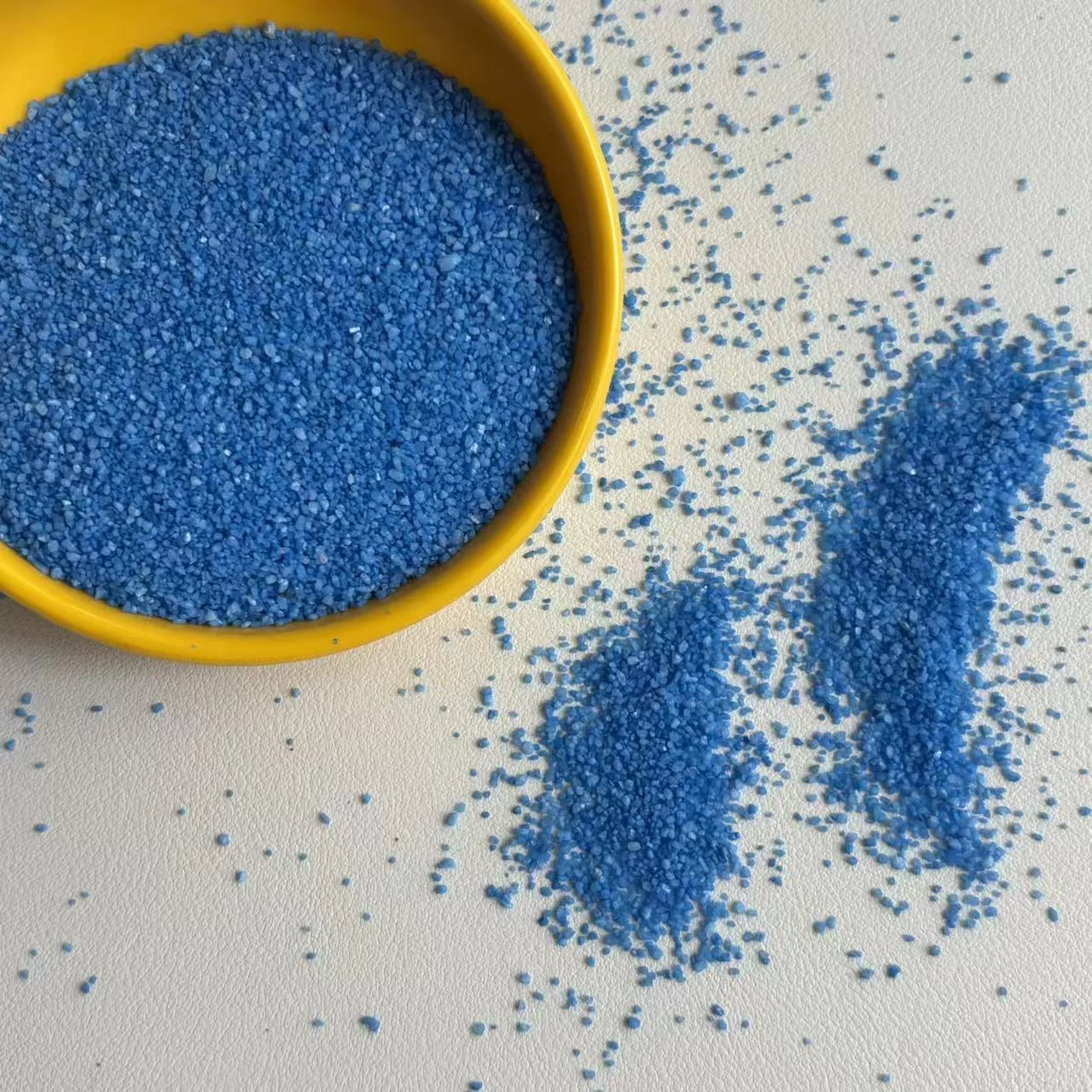
The core value of dyed sand lies in its perfect combination of the durability of natural materials with rich and lasting colors, making it a modern multifunctional material that balances decoration, functionality, and environmental protection.
Glass powder is a high-performance "industrial monosodium glutamate". Leveraging its properties such as high hardness, chemical inertness and low oil absorption, it can significantly enhance the mechanical properties, durability and appearance quality of products like coatings, adhesives and plastics, making it an indispensable and important functional filler in modern industry.
Premium Refined Quartz Powder with 99.5% SiO₂, pure white color. Essential for high-end optics, semiconductors, electronics, and premium coatings. Sizes from 325mesh to 3000mesh,and custom sizes.
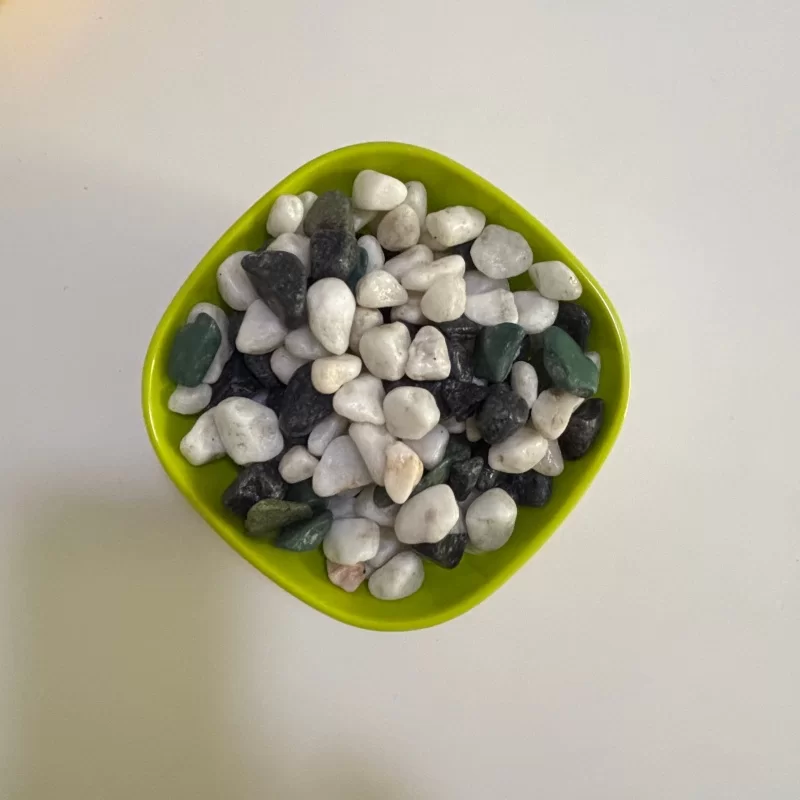
Pebbles do not pursue elaborate artificial carving; instead, they retain the traces shaped by time and natural forces to the greatest extent. Available in diverse colors and complete sizes, pebbles are widely used in landscape and construction fields thanks to their natural properties, water permeability, wear resistance and rich natural charm—such as paving and garden paths, water feature creation, cultural stone and stone cladding, and filter media.




If you are interested in our products, you can choose to leave your information here, and we will be in touch with you shortly.