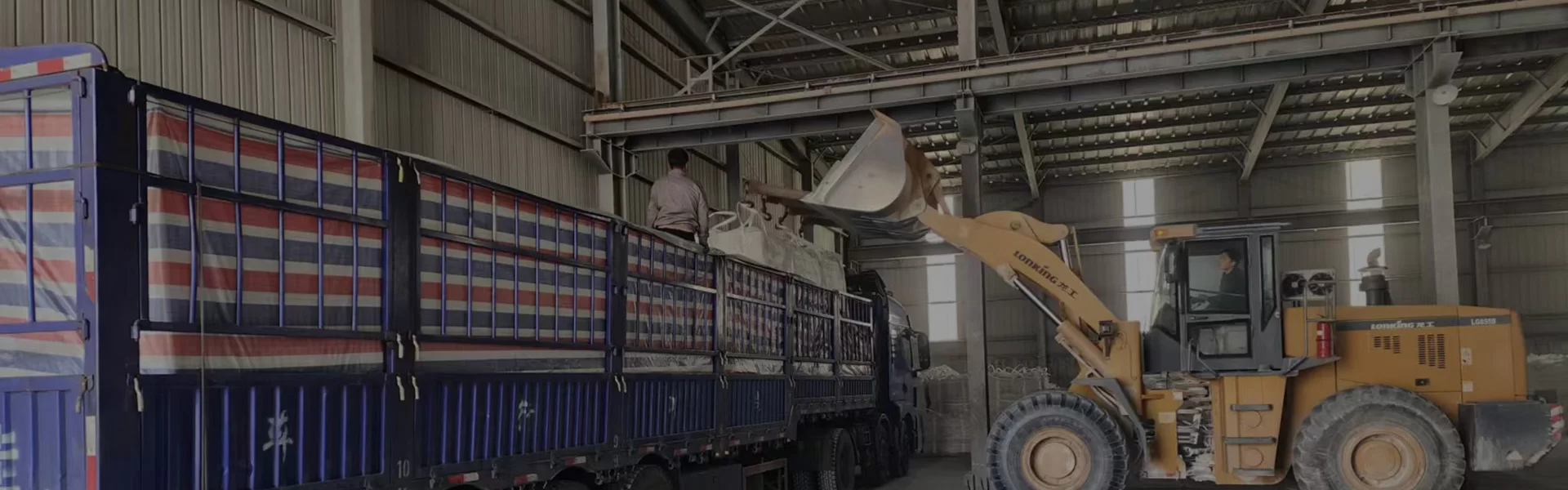
Expanded perlite is a versatile growing medium favored by gardeners and horticulturalists worldwide. Sourced from volcanic glass, this lightweight material offers excellent aeration and drainage, crucial for healthy plant development. Fesmining is a leading supplier of high-quality expanded perlite from China, catering to the diverse needs of plant enthusiasts and commercial growers. This article explores the benefits of using China expanded perlite for plants, its applications, and what to look for when selecting a supplier. Understanding the properties of perlite will help you achieve optimal results in your gardening endeavors.
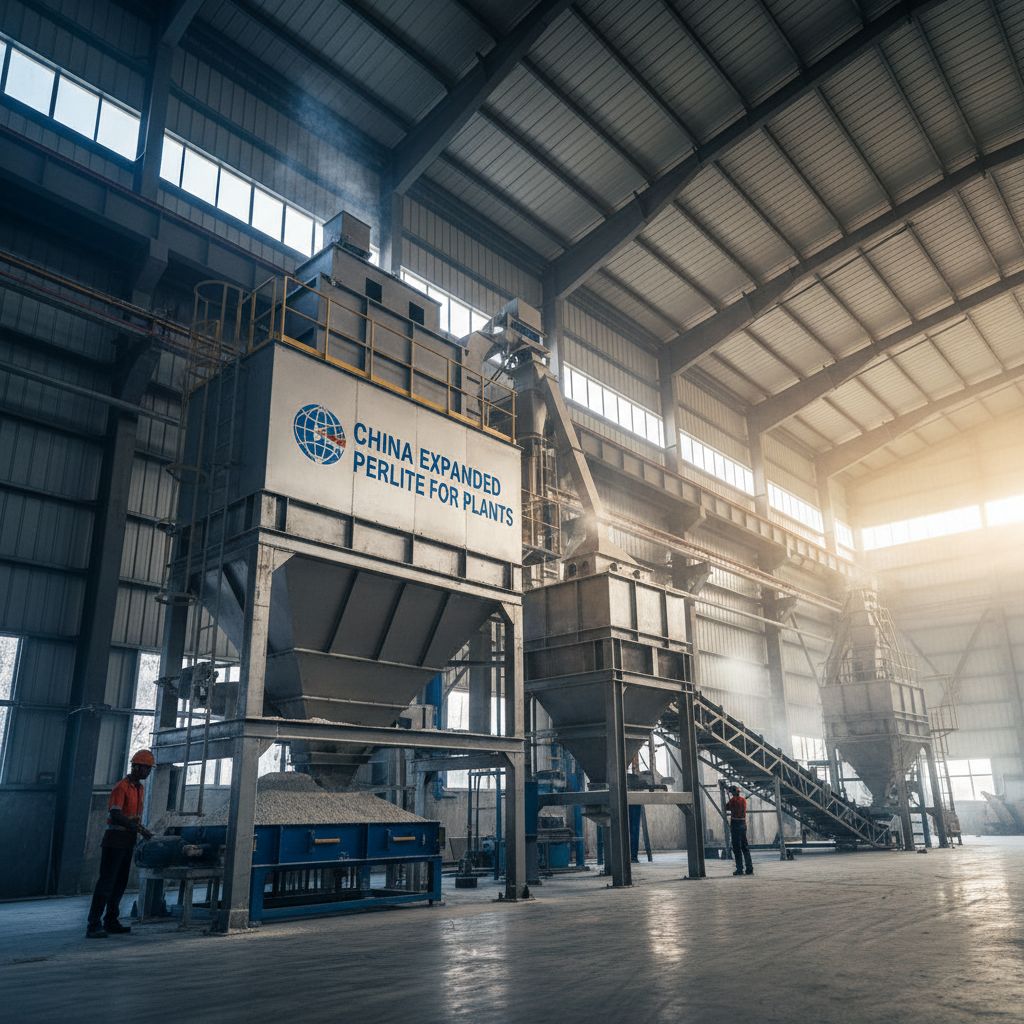
Expanded perlite is created by rapidly heating volcanic glass (perlite ore) to extremely high temperatures. This process causes trapped water within the rock to vaporize, expanding the material into a lightweight, porous aggregate. This unique structure provides several key benefits for plant growth, including improved aeration, enhanced drainage, moisture retention, and pH neutrality. These properties make it an ideal amendment for a wide variety of potting mixes and hydroponic systems. Using Fesmining's perlite ensures a consistently high-quality product that promotes vigorous plant growth.
Key Benefits: Improved aeration, enhanced drainage, moisture retention, pH neutrality, lightweight, and inert.
The versatility of expanded perlite makes it suitable for numerous horticultural applications. It is commonly used in seed starting mixes to provide a sterile and well-draining environment for germination. It's also added to potting mixes for houseplants, vegetables, and flowers to improve aeration and prevent compaction. In hydroponic systems, perlite serves as an excellent growing medium, providing support for plant roots and allowing for efficient nutrient delivery. Furthermore, it can be used for rooting cuttings, amending heavy clay soils, and even as a component in roof gardens. Fesmining offers a range of perlite grades to suit these diverse applications.
Common Uses:
• Seed starting
• Potting mixes
• Hydroponics
• Rooting cuttings
Expanded perlite is available in various grades, categorized by particle size. These grades are tailored to specific applications. Fesmining provides a consistent and reliable supply of perlite adhering to stringent quality control standards. Below is a table outlining common perlite grades and their typical applications:
Sourcing perlite from a reputable supplier is vital to ensure consistent quality and reliable delivery. Fesmining specializes in the production and export of expanded perlite, offering a wide range of grades and tailored solutions for various horticultural needs. We are committed to providing competitive pricing, prompt shipping, and exceptional customer service. Our state-of-the-art processing facilities and rigorous quality control measures guarantee a product that meets the highest industry standards. We prioritize sustainable practices and responsible sourcing, making us a trusted partner for growers worldwide.
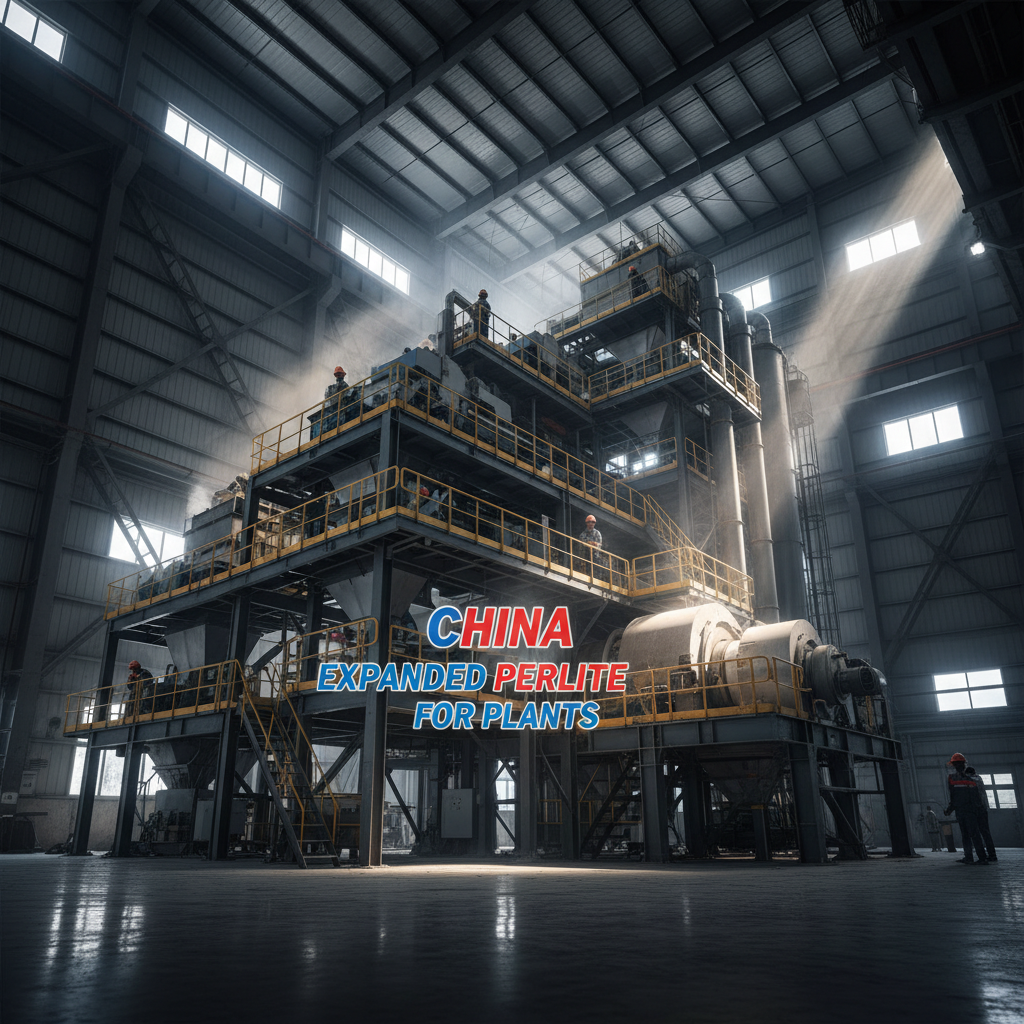
When choosing expanded perlite, consider the intended application, particle size, and the supplier's reputation. Look for perlite that is lightweight, free of dust, and pH neutral. Ensure the supplier can provide consistent quality and reliable delivery. Avoid perlite that contains impurities or has a strong odor. Fesmining provides detailed product specifications and is available to assist you in selecting the optimal perlite grade for your specific requirements.
Investing in high-quality China expanded perlite is a crucial step towards achieving optimal plant health and productivity. Fesmining offers a reliable source of premium perlite, backed by exceptional customer service and competitive pricing. Unlock the full potential of your plants with our superior perlite products.
Fesmining’s expanded perlite is generally pH neutral, typically ranging between 6.5 and 7.5. This pH level is ideal for most plant species, as it allows for optimal nutrient uptake. However, pH can slightly vary depending on the source of the perlite ore. We conduct rigorous quality control testing to ensure our perlite consistently falls within this acceptable range. Maintaining a neutral pH is critical for ensuring plants can efficiently absorb essential nutrients from the growing medium.
Perlite is considered a relatively sustainable growing medium. It’s a naturally occurring volcanic glass, and its production process requires less energy than many other soil amendments. However, mining and processing perlite do have environmental impacts. Fesmining is committed to responsible sourcing and sustainable practices to minimize our environmental footprint. We strive to optimize our processes, reduce waste, and prioritize environmental stewardship.
Fesmining’s expanded perlite is ready to use straight from the bag. However, it’s a good practice to lightly dampen the perlite before mixing it with other growing media. This helps to reduce dust and improves its ability to retain moisture. Be careful not to over-wet the perlite, as this can cause it to become compacted. A gentle rinse can also remove any fine particles.
While perlite doesn’t decompose, it can become compacted and lose some of its aeration properties over time. It can be reused, but it’s best to sterilize it before doing so to eliminate any potential pathogens. Sterilization can be achieved by baking the perlite in an oven at 180°F (82°C) for 30 minutes. However, keep in mind that reused perlite may not perform as effectively as fresh perlite.
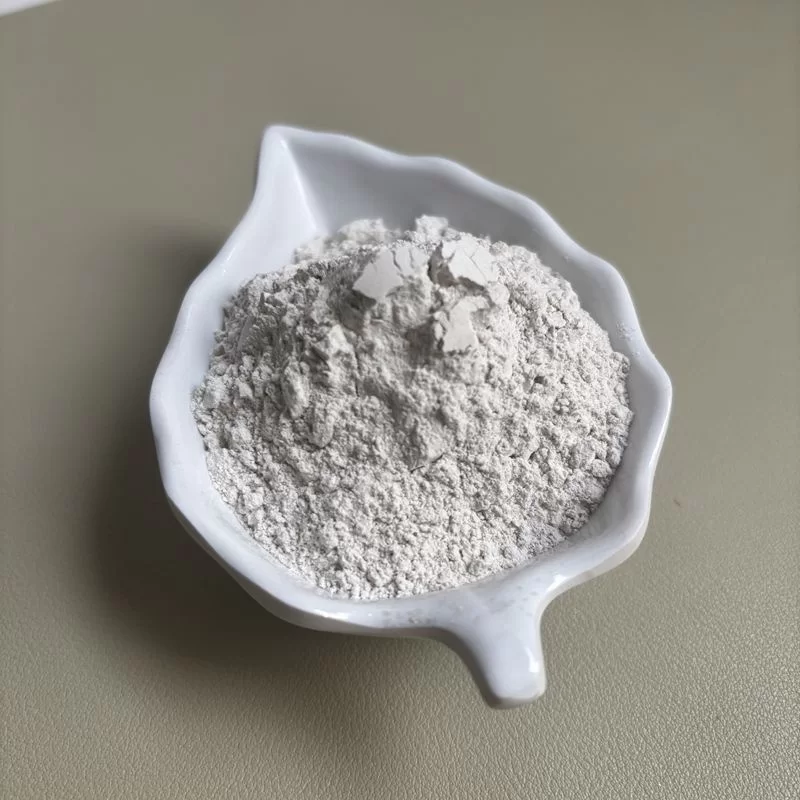
Washed kaolin is made by adding water to raw materials, mixing them into a slurry, then undergoing sedimentation separation and drying. It becomes a mineral with kaolin properties, and due to its white color, low cost, good fluidity, stable chemical properties and large surface cation exchange capacity, it is widely used as a filler in coatings and paints, as well as in firebricks, silica-alumina wool, cosmetics and medicine.
High-quality kaolin experiences physical and chemical transformations when calcined at high temperatures. It loses components such as fluorine through dehydration and crystallization. Once cooled, it becomes calcined kaolin—characterized by high silicon content, excellent whiteness, strong oil absorption, and great hardness. This material is widely applied in ceramics, papermaking, wall tiles, floor tiles, rubber, chemical coatings, and more.
High-performance calcined talc for plastic applications that significantly improves dimensional stability, heat resistance, and reduces shrinkage. Excellent for precision plastic components.
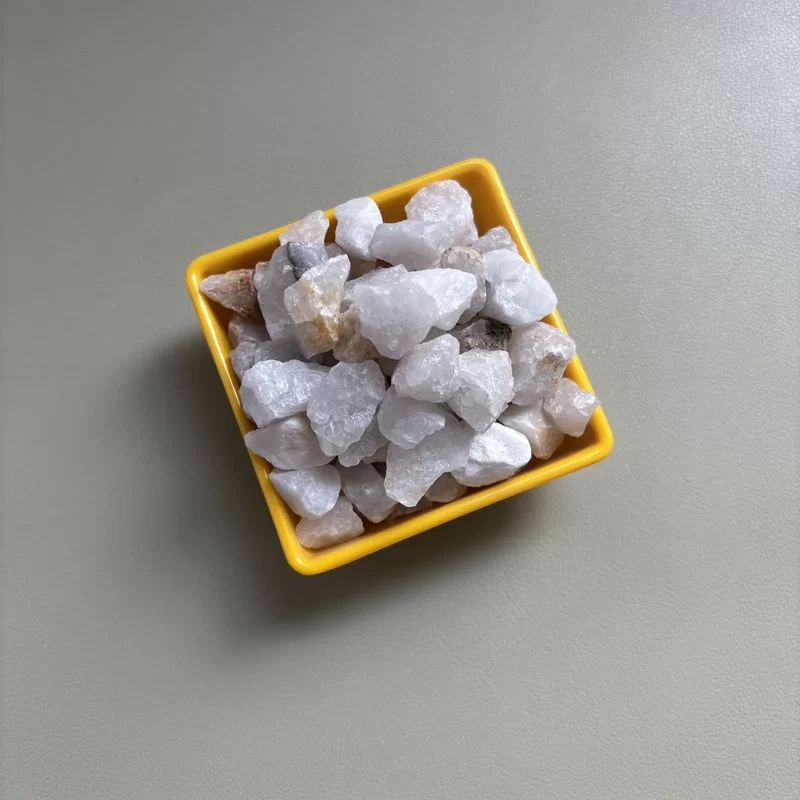
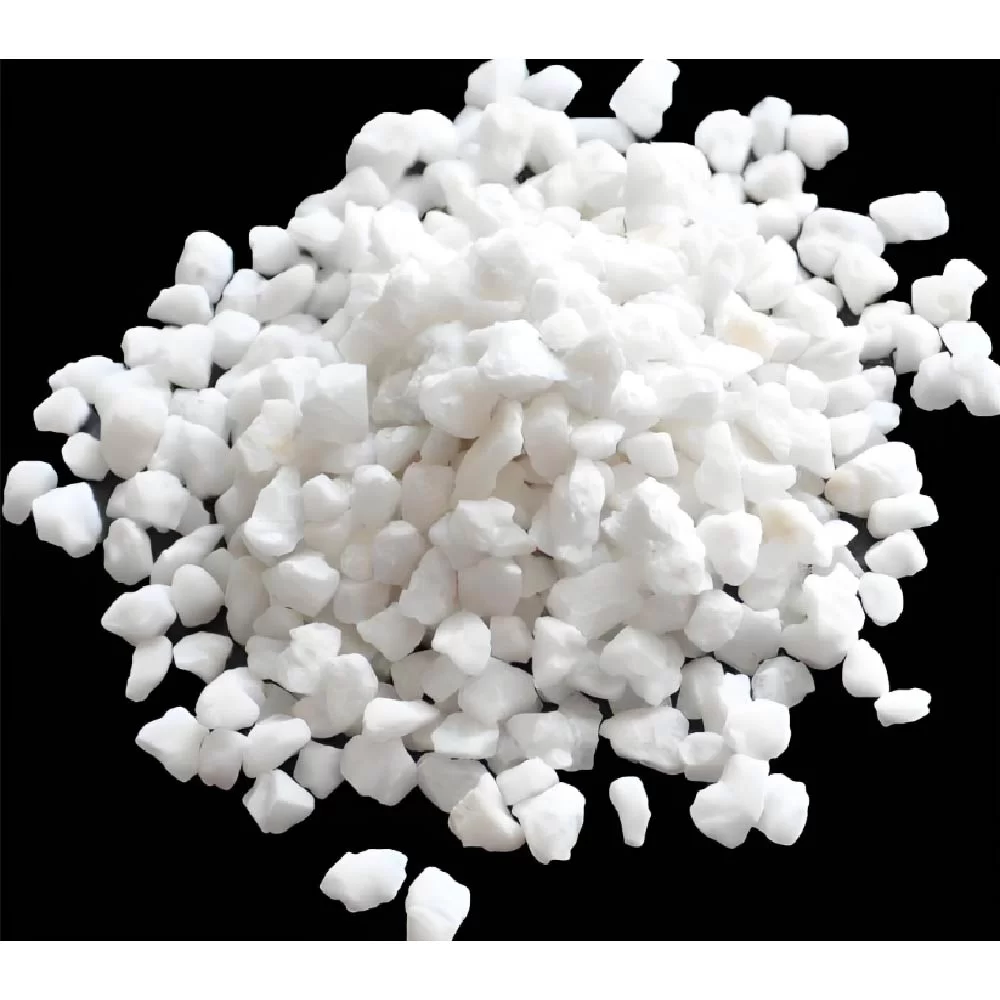
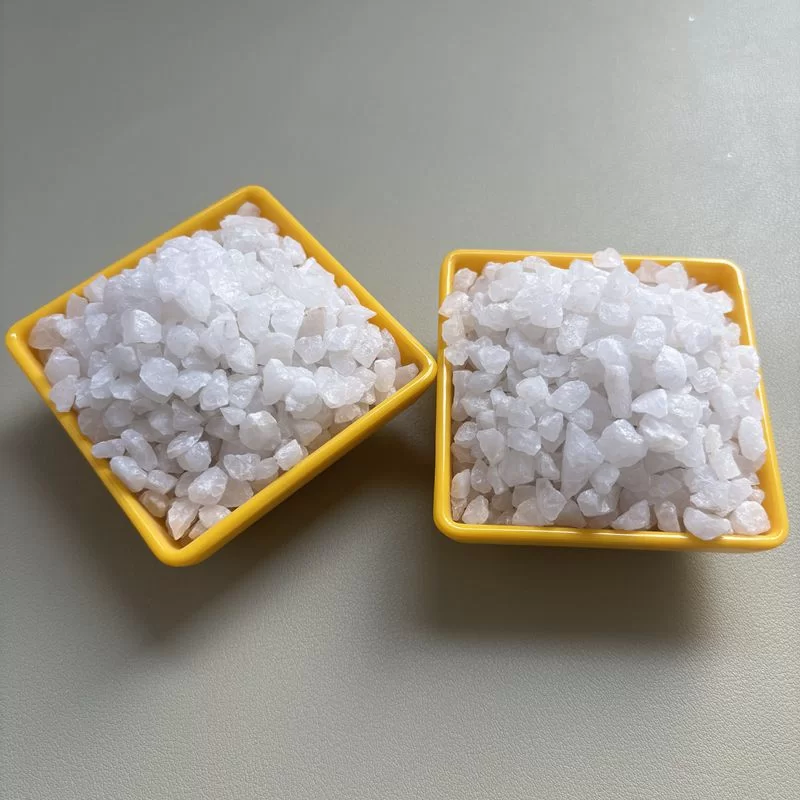
Semi-refined quartz sand is particularly suitable for ceramic glazes, greenware production, and precision casting. Compared to ordinary quartz sand, it offers advantages in whiteness and composition consistency, better meeting the requirements for raw material appearance and performance stability in related production processes.
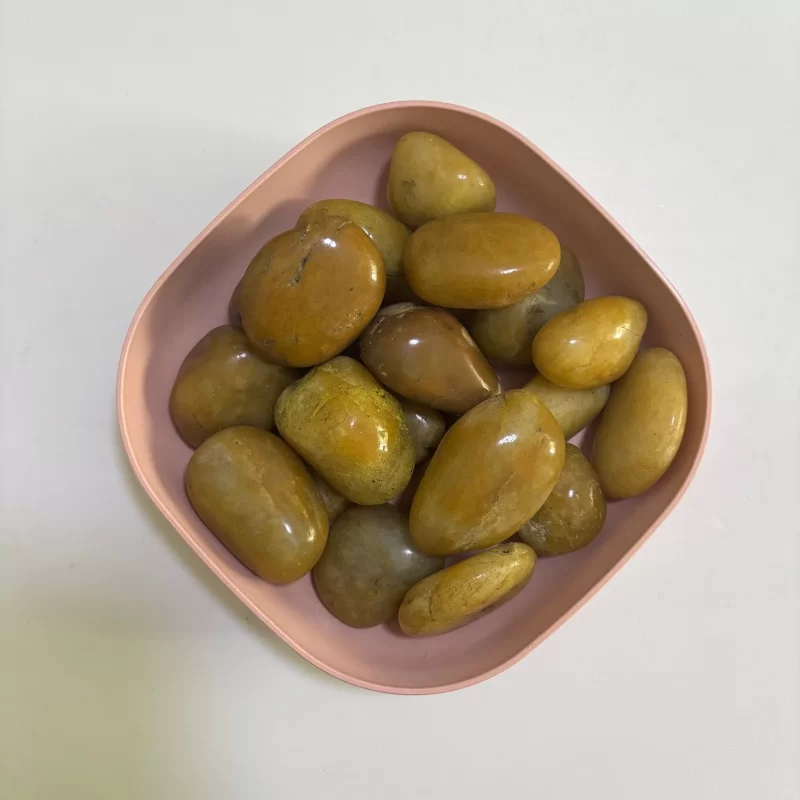
Pebbles avoid intricate man-made carving; instead, they keep the traces shaped by time and natural forces as much as possible. Coming in diverse colors and full size ranges, they’re widely used in landscape and construction fields thanks to their natural characteristics, water permeability, wear resistance and rich natural charm—including paving, garden paths, water feature creation, cultural stone, stone cladding and filter media.
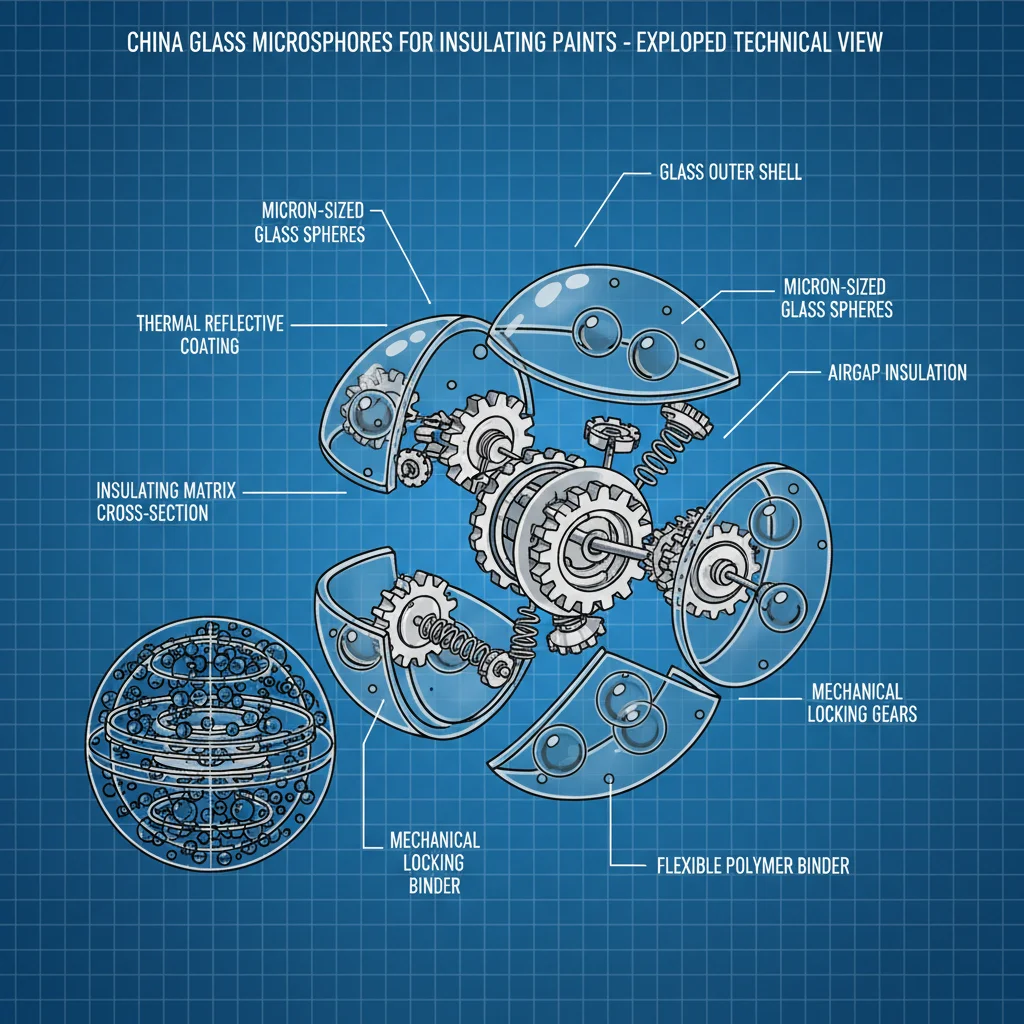
High-performance vitrified microsphere with closed-cell structure. Excellent thermal insulation, low water absorption (35-50%), and superior strength. Ideal for building insulation and lightweight aggregates.
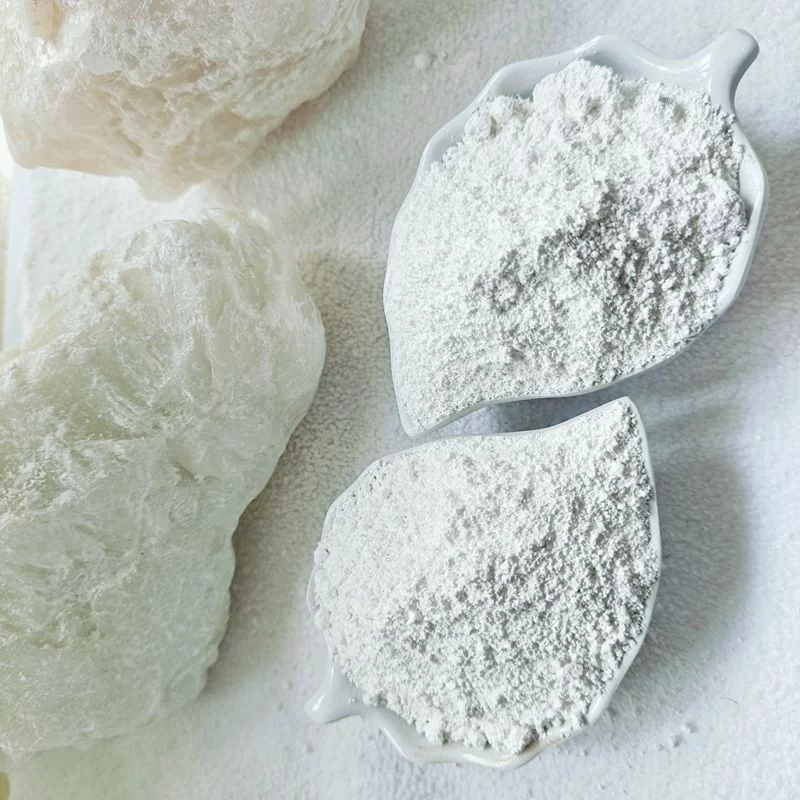
Semi-refined quartz powder strikes an excellent balance between cost and performance. Specially processed, it boasts significantly higher whiteness than ordinary quartz sand, while its iron content is strictly controlled to ensure chemical stability. This versatile material is ideal for ceramics, resin castings, and various industrial fillers, effectively improving product quality without significantly increasing costs.
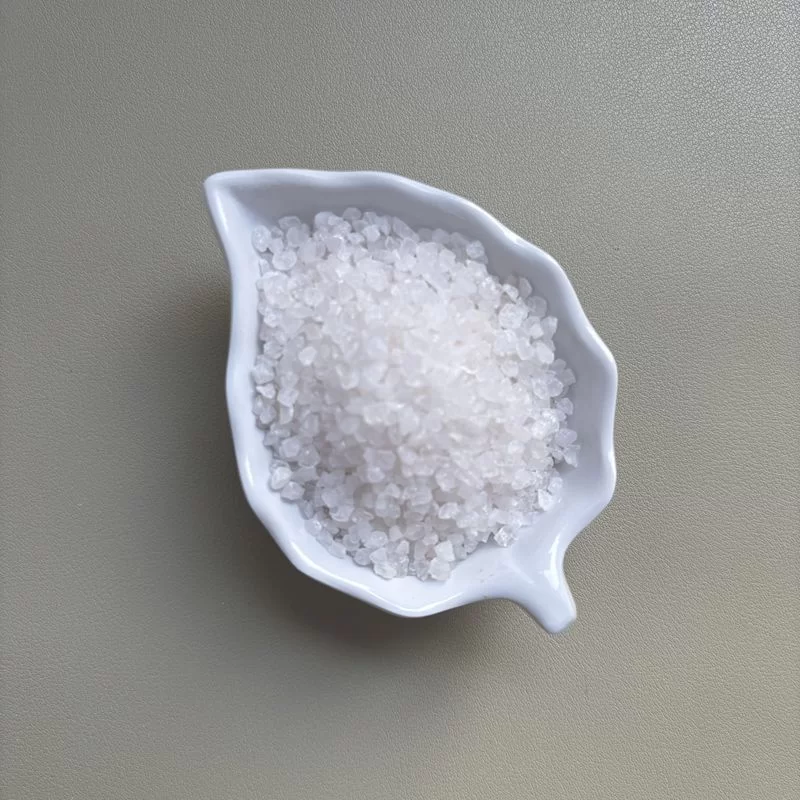
Premium Refined Quartz,Excellent whiteness and purity for premium applications like epoxy flooring, optical glass, and high-end coatings. A variety of mesh sizes are available and customized mesh sizes.

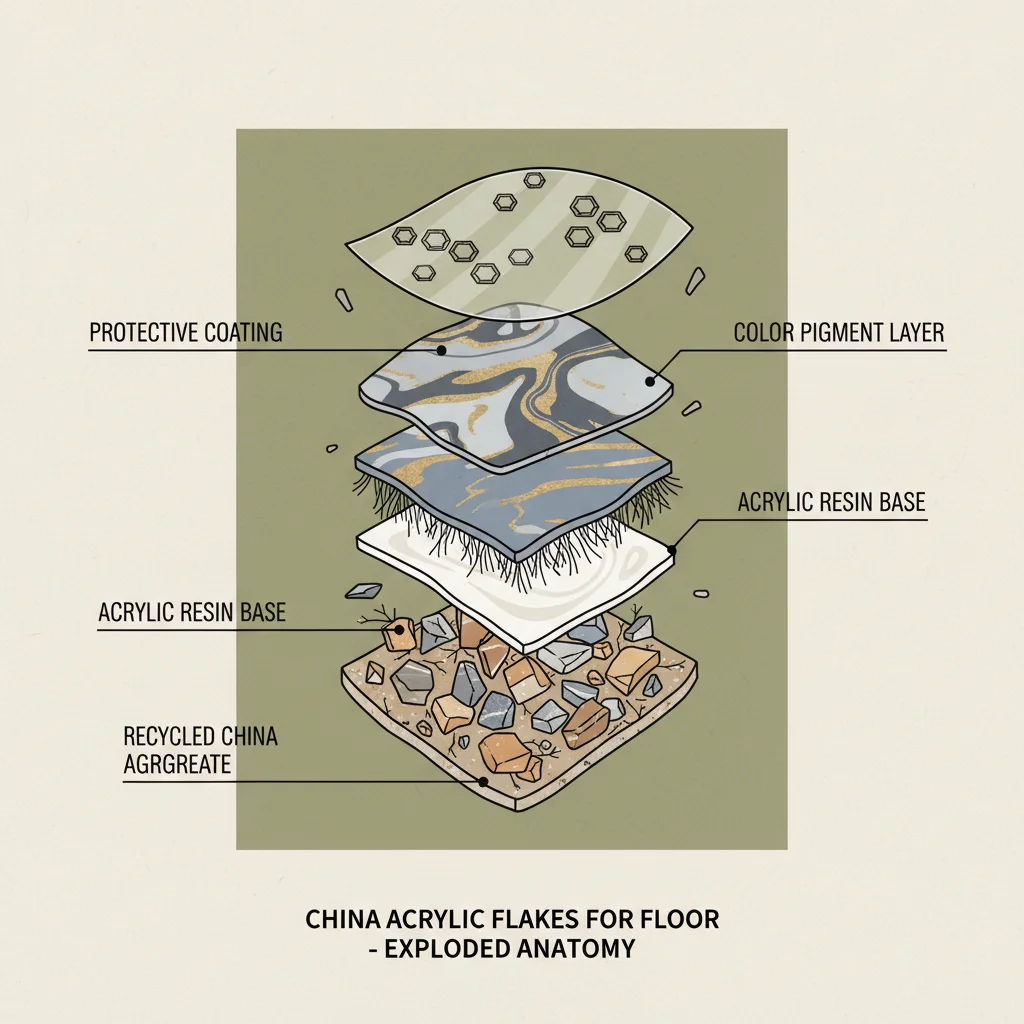
Explore China acrylic flakes for flooring – a comprehensive guide to their properties, applications, benefits, and future trends. Enhance your flooring projects with durable, aesthetic, and cost-effective solutions.


If you are interested in our products, you can choose to leave your information here, and we will be in touch with you shortly.