Perlite, a volcanic glass known for its unique expansion properties, is a valuable material across numerous industries including horticulture, construction, and filtration. China has emerged as a leading producer of expanded perlite, boasting numerous perlite expansion plants that cater to both domestic and international demands. This article provides a detailed exploration of these plants, covering their processes, applications, market trends, and the role of companies like FES Mining in this growing sector. Understanding the capabilities and quality control measures within these facilities is crucial for sourcing reliable perlite products.
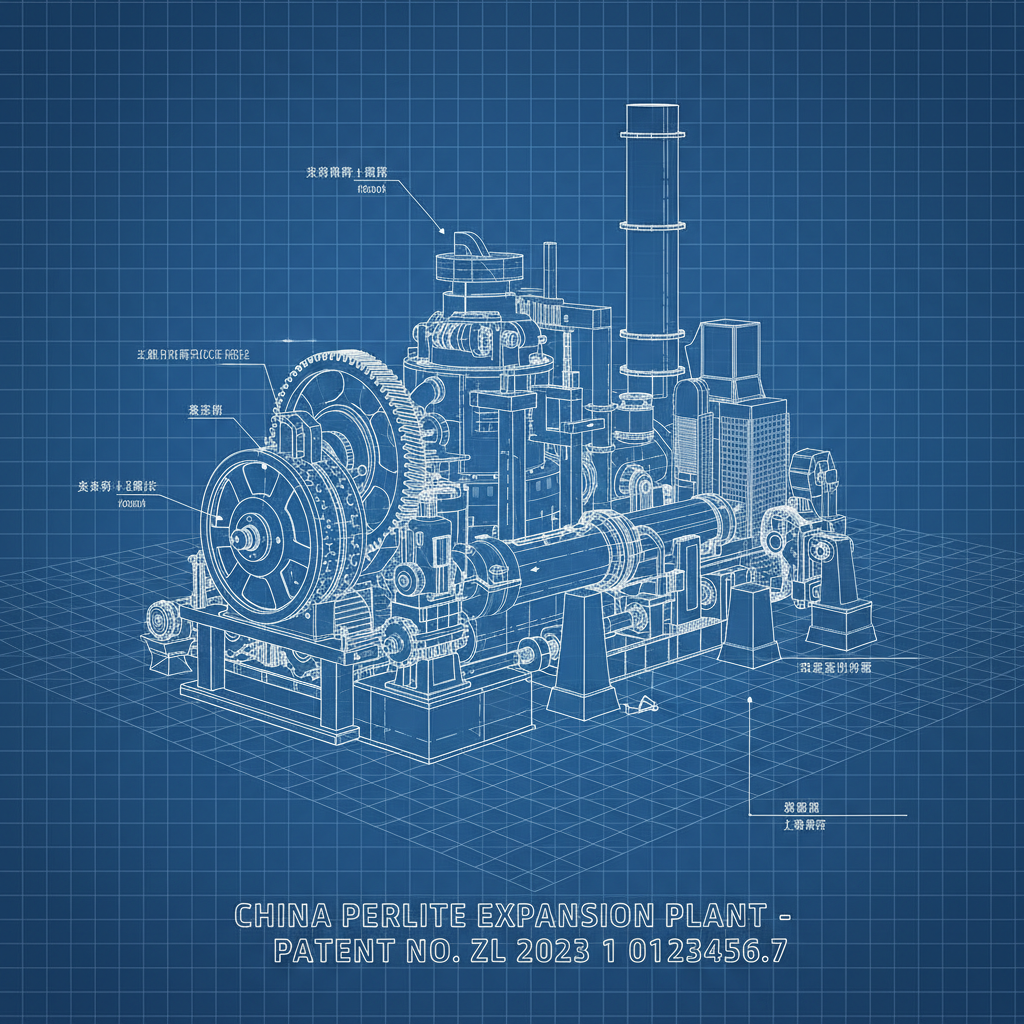
The process of perlite expansion is relatively straightforward but requires precise control. Raw perlite ore is first mined, then crushed and screened to a uniform size. The crucial step involves heating the ore to temperatures between 850°C and 900°C. This rapid heating causes trapped water within the volcanic glass to vaporize, expanding the perlite to 4-20 times its original volume. This expansion creates a lightweight, porous material with excellent insulating properties. The expanded perlite is then cooled, screened again to remove fines, and packaged for shipment. China's perlite expansion plants are equipped with state-of-the-art furnaces and automated systems to ensure consistent product quality.
Key Highlights: Rapid heating causes trapped water to vaporize, expanding the perlite. This expansion creates a lightweight, porous material with excellent insulating properties.
Expanded perlite finds diverse applications across industries. In horticulture, it's widely used as a soil amendment to improve aeration, drainage, and water retention. Construction utilizes perlite as a lightweight aggregate in concrete and plaster, enhancing thermal and acoustic insulation. Filtration applications benefit from its porous structure, making it an effective filter aid for beverages, pharmaceuticals, and industrial liquids. Other applications include cryogenics, foundries, and even as a filler in plastics and paints. The versatility of expanded perlite drives consistent demand from China’s perlite expansion plants.
Application Benefits:
• Improves aeration and drainage in soil
• Enhances thermal and acoustic insulation
• Effective filter aid for various liquids
• Lightweight aggregate for construction
China's perlite expansion capacity has been steadily increasing to meet growing global demand. Estimates place the total annual capacity at over 3 million metric tons, with significant concentration in provinces like Liaoning, Shandong, and Henan. Key players in the industry include FES Mining, alongside other companies focused on both raw perlite mining and expansion. Competition is fierce, driving innovation in process efficiency and product quality. Many plants are now investing in advanced environmental control technologies to minimize their carbon footprint and comply with stricter regulations.
Maintaining consistent quality is paramount for perlite suppliers. Reputable China perlite expansion plants implement rigorous quality control measures throughout the entire process, from raw material sourcing to final product packaging. These measures typically include regular chemical analysis, particle size distribution testing, and bulk density measurements. Many plants also hold certifications such as ISO 9001 (Quality Management System) and relevant industry-specific certifications, demonstrating their commitment to international standards.
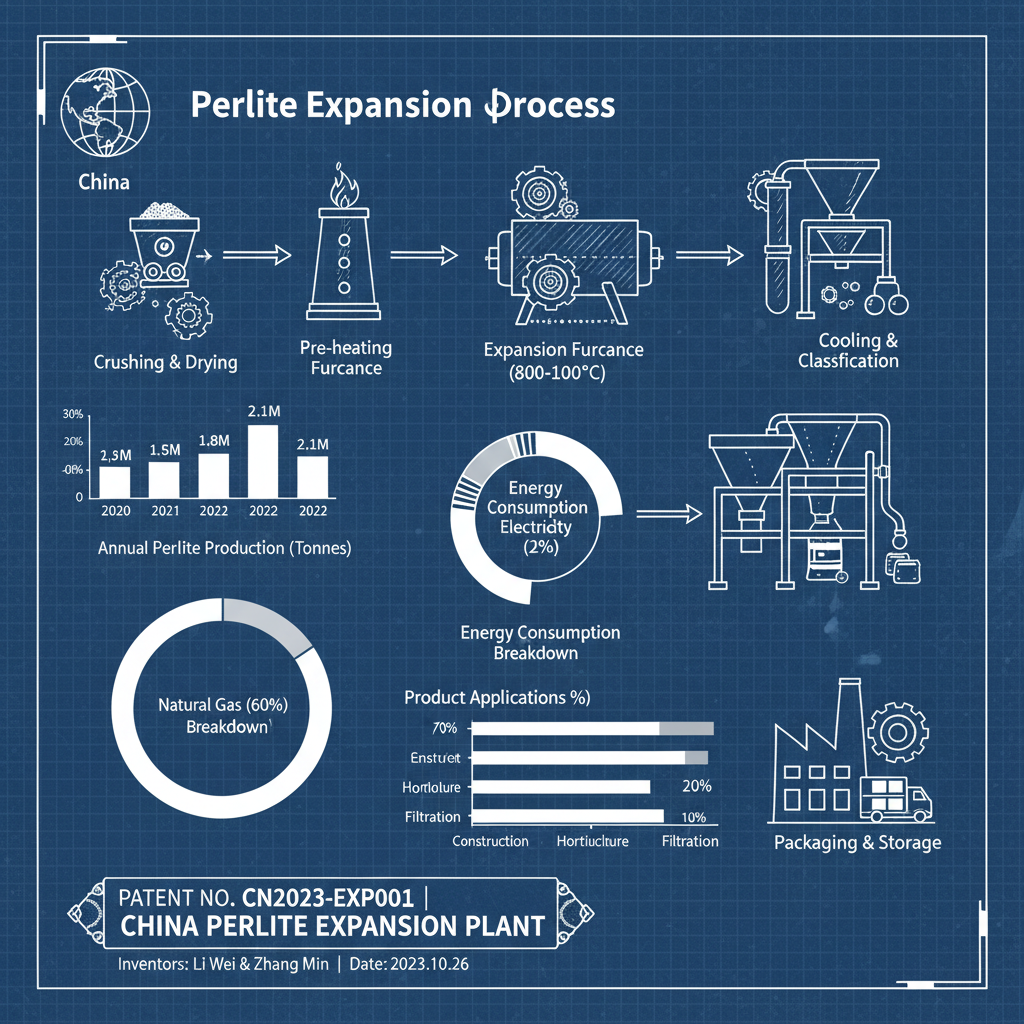
The future of perlite expansion in China looks promising. Demand is expected to continue growing, driven by increased adoption in horticulture and construction, particularly in developing markets. Key trends include a focus on sustainable production practices, energy efficiency improvements, and the development of specialized perlite grades for niche applications. Companies like FES Mining are actively investing in research and development to create innovative perlite products that meet evolving customer needs. The industry is also expected to see increased consolidation as larger players acquire smaller facilities to gain economies of scale.
Selecting a reliable supplier of expanded perlite from China is crucial for businesses across various sectors. Factors to consider include production capacity, quality control measures, certifications, and commitment to sustainability. FES Mining offers high-quality expanded perlite, backed by rigorous testing and a commitment to customer satisfaction. By partnering with a reputable supplier, you can ensure a consistent supply of this valuable material for your applications.
When selecting a perlite supplier in China, consider their production capacity to ensure they can meet your volume requirements. Equally important is their quality control process – look for ISO 9001 certification and evidence of regular testing. Also, investigate their experience, industry reputation, and commitment to sustainable practices. A supplier’s ability to provide consistent quality and reliable delivery is crucial for maintaining your operations smoothly. Finally, verify that they can supply the specific grade of perlite that meets your application requirements.
Both perlite and vermiculite are used as soil amendments, but they have different properties. Perlite primarily improves aeration and drainage due to its porous structure, while vermiculite excels at water retention. Perlite is generally pH neutral, whereas vermiculite can be slightly alkaline. The choice depends on your specific needs; perlite is ideal for plants that prefer well-drained soil, while vermiculite is better for plants needing consistent moisture. A mix of both can often provide the optimal balance for plant growth.
Expanded perlite is a relatively environmentally friendly material. Its production requires minimal energy compared to other mineral-based products. Furthermore, it's a naturally occurring, non-toxic material. In horticulture, it reduces the need for chemical fertilizers by improving nutrient retention in the soil. Its lightweight nature also reduces transportation costs and associated emissions.
Typical lead times for orders from China perlite expansion plants vary depending on the quantity, current production schedule, and shipping requirements. Generally, for standard orders, expect a lead time of 2-4 weeks from order confirmation to shipment. Larger or customized orders may require longer lead times. It is advisable to confirm specific lead times with your supplier during the quotation process.
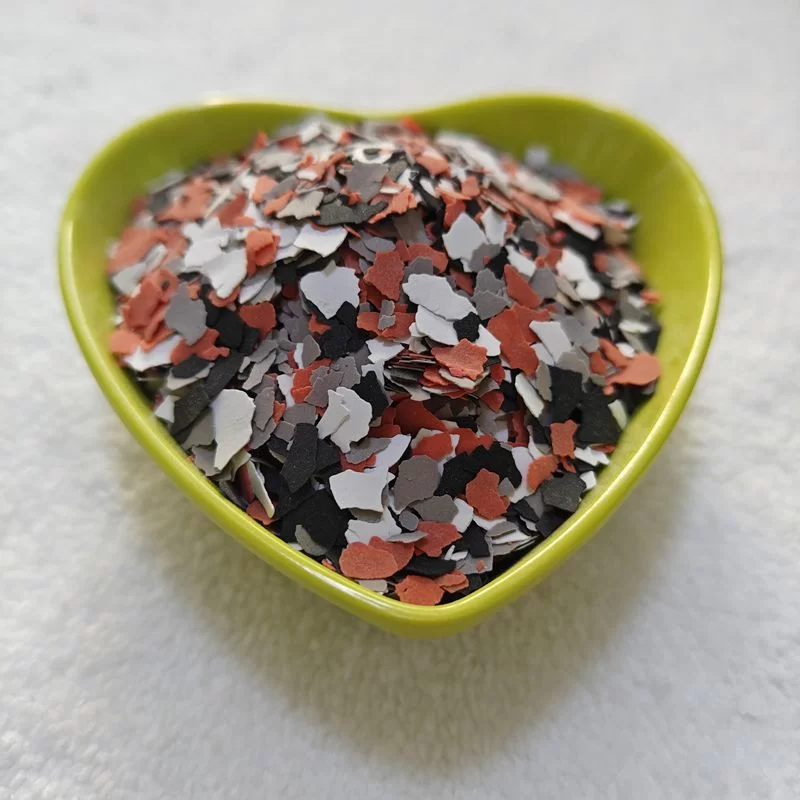
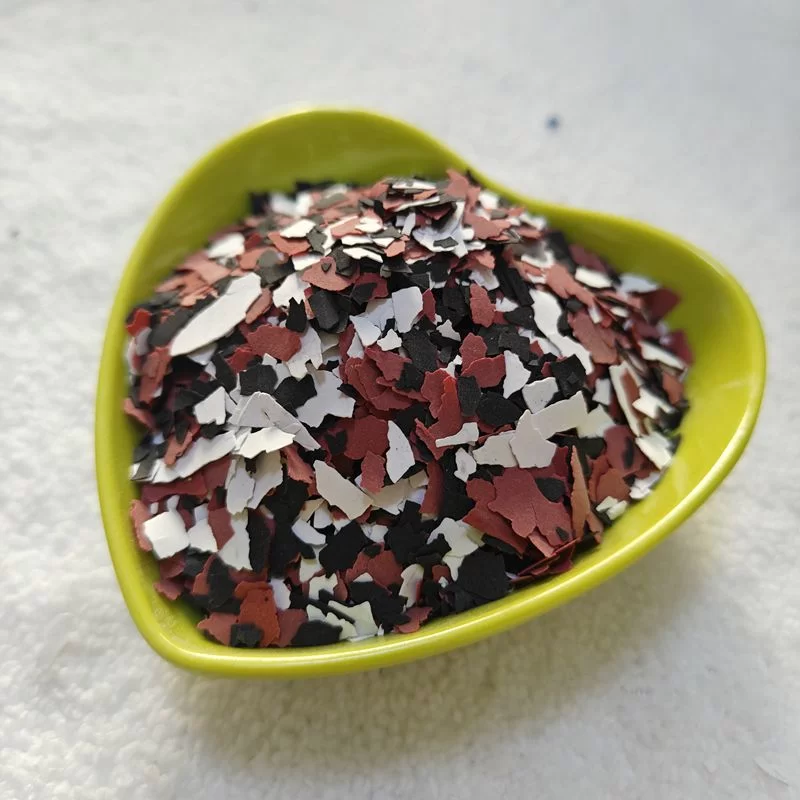
Extra thin composite flakes with 0.2mm thickness for ultra-premium coating finishes. Lightweight formulation reduces coating weight by 25% while maintaining superior stone simulation effect. Ideal for delicate surfaces and detailed applications.
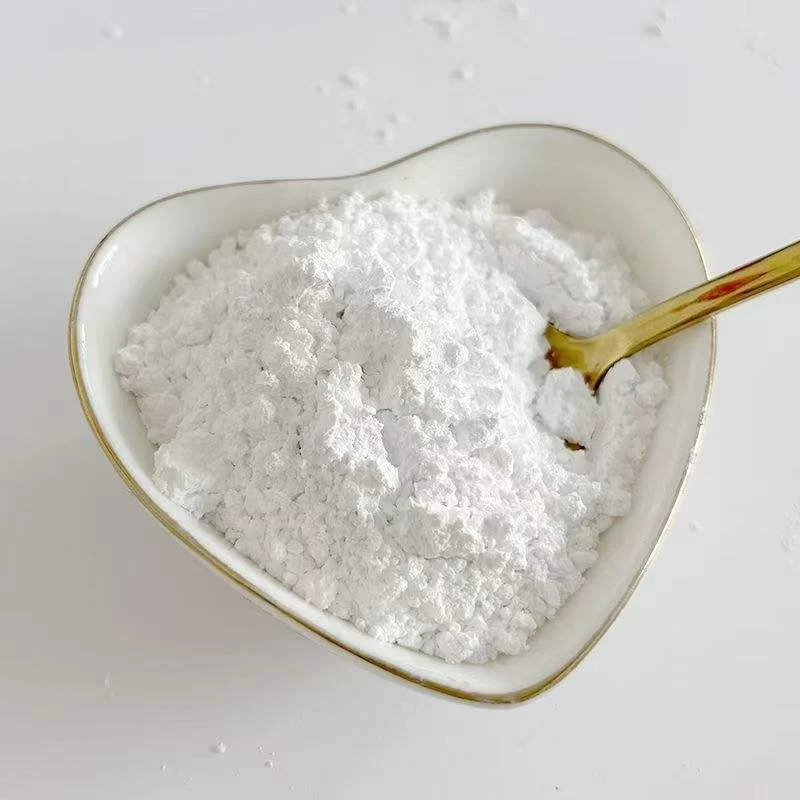
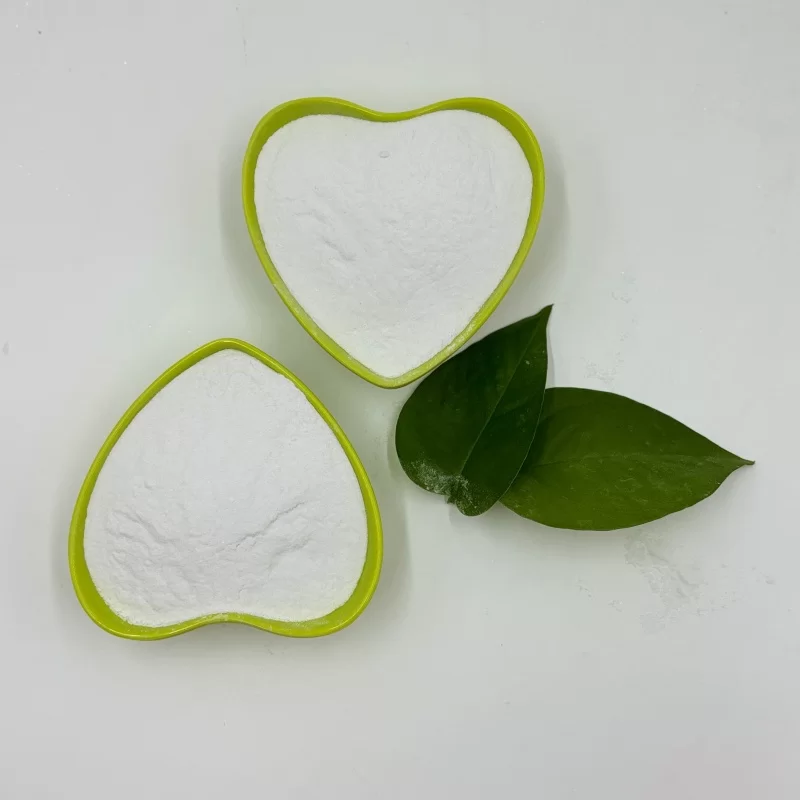
Regarded as a high-performance "industrial monosodium glutamate", glass powder can notably improve the mechanical properties, durability and appearance quality of coatings, adhesives and plastics by virtue of its high hardness, chemical inertness and low oil absorption, and it has become an indispensable important functional filler in modern industry.
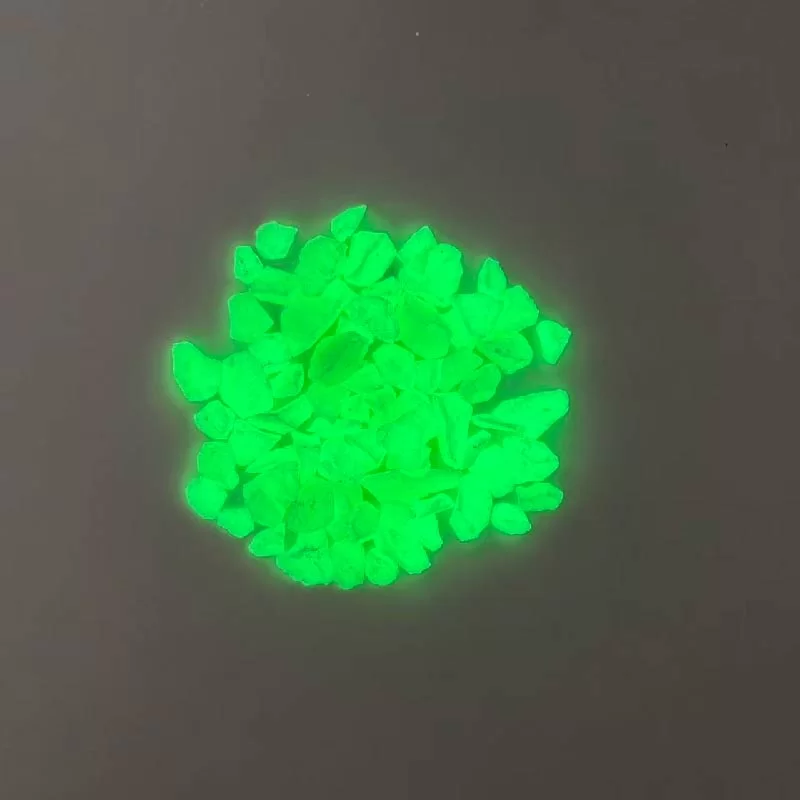
Resin-based luminous stones offer long glow duration, light weight with high strength, wear and weather resistance, safety and environmental friendliness, and easy installation. They can be customized in specific sizes, colors and luminous intensity according to project requirements, and are widely used in luminous walkways/paths, garden decoration, feature walls, safety indication and guidance, artistic decoration, as well as lighting for parks, river banks and bridges.
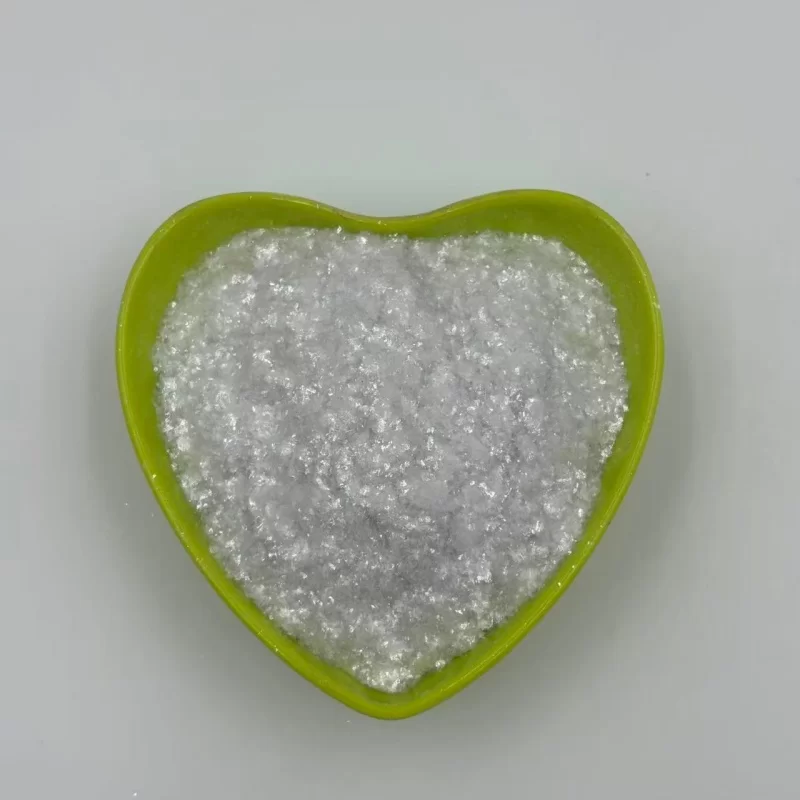
High-performance engineered glass flakes: flaky glass fillers enhancing anti-corrosion, wear resistance, and barrier properties. Typical specs: 2–10μm thickness, 100–3000μm diameter. Create a "labyrinth effect" in coatings/linings to block corrosive media and extend industrial equipment/structure lifespan.
Polished pebbles refer to natural-collected pebbles that undergo mechanical grinding and polishing to achieve a smooth, glossy surface. They retain the natural shape of pebbles while being given an artistic second life. With their high aesthetic value and artistry, polished pebbles are mainly used in fields focused on decoration and quality of life enhancement: indoor decoration and display, aquarium and fish tank landscaping, bathroom decoration, decoration of indoor fountains and small artificial water features, as well as an excellent material for making crafts like paperweights, candlesticks, photo frames and creative ornaments.
Metallic colored rock flakes for premium special effect coatings. Custom metallic effects including gold, silver, and bronze finishes. Enhanced reflectivity and depth for high-end architectural and design projects.
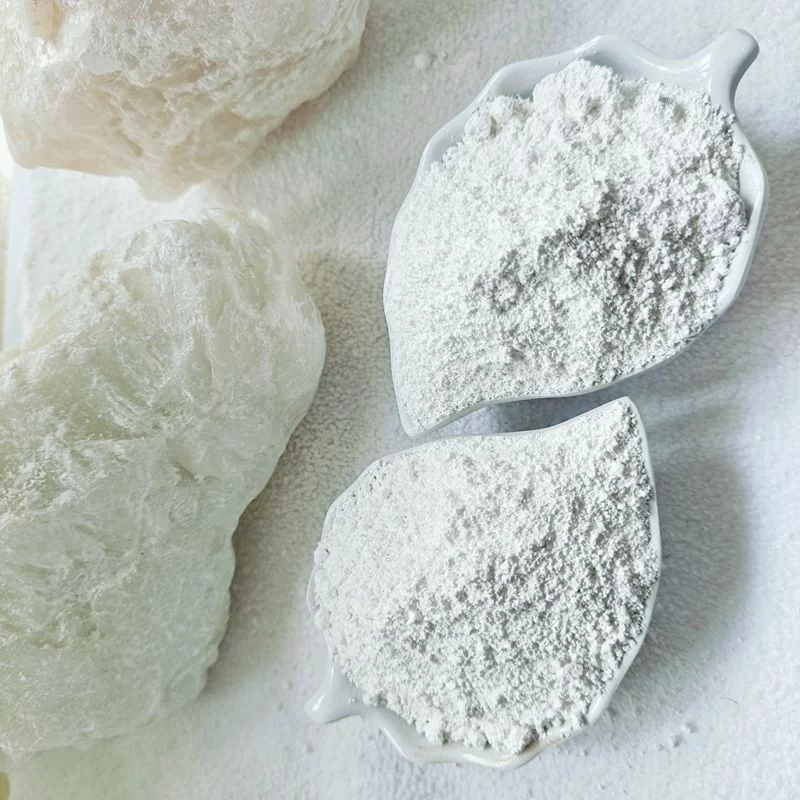
High-quality kaolin experiences physical and chemical transformations when calcined at high temperatures. It loses components such as fluorine through dehydration and crystallization. Once cooled, it becomes calcined kaolin—characterized by high silicon content, excellent whiteness, strong oil absorption, and great hardness. This material is widely applied in ceramics, papermaking, wall tiles, floor tiles, rubber, chemical coatings, and more.
Calcined talc powder specifically designed for rubber applications. Functions as effective filler, release agent, and surface treatment agent while improving heat resistance and mechanical properties.




If you are interested in our products, you can choose to leave your information here, and we will be in touch with you shortly.
-20251105154605.webp "Natural Pebbles For Garden Path Paving & Water Features")