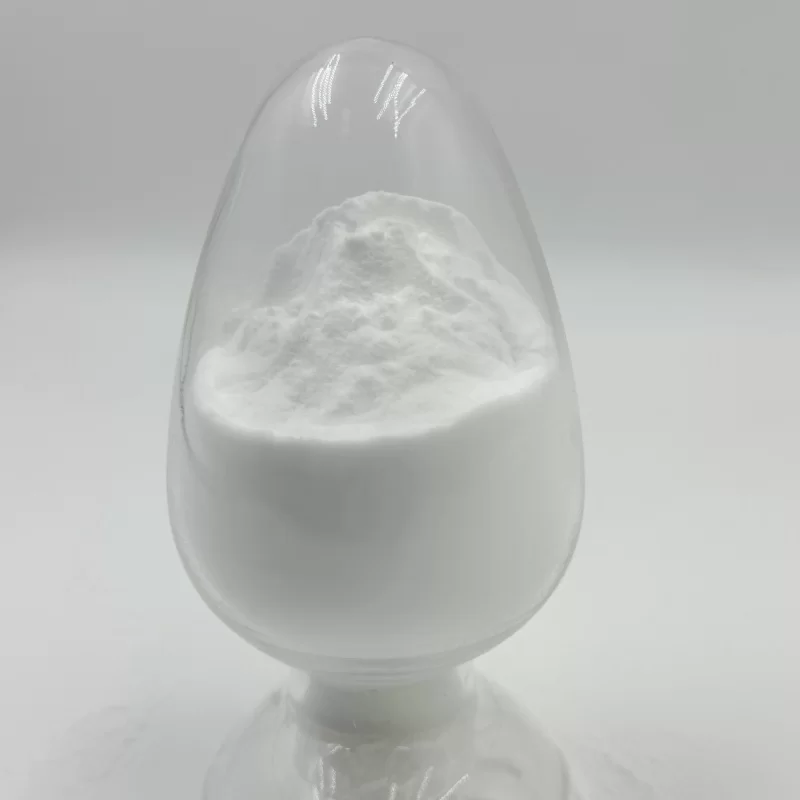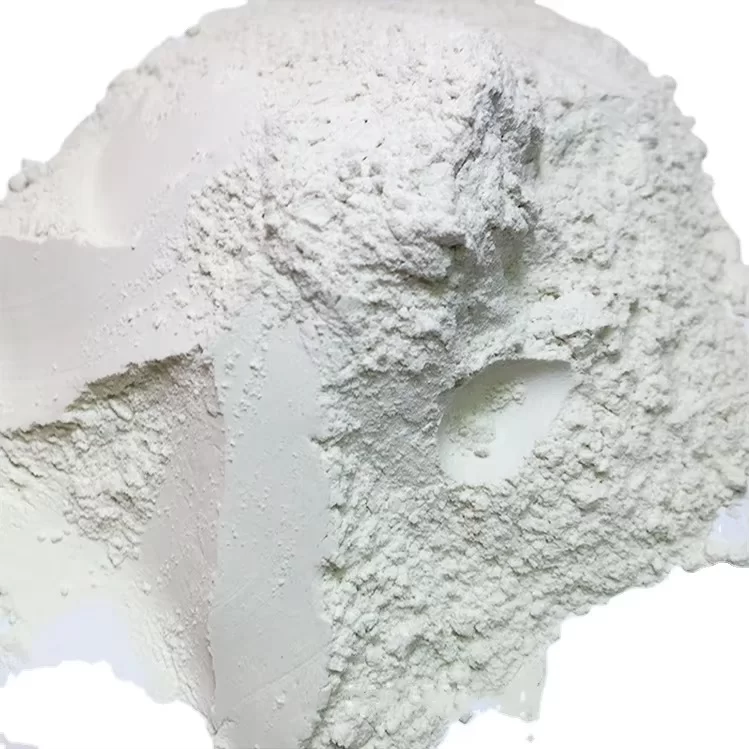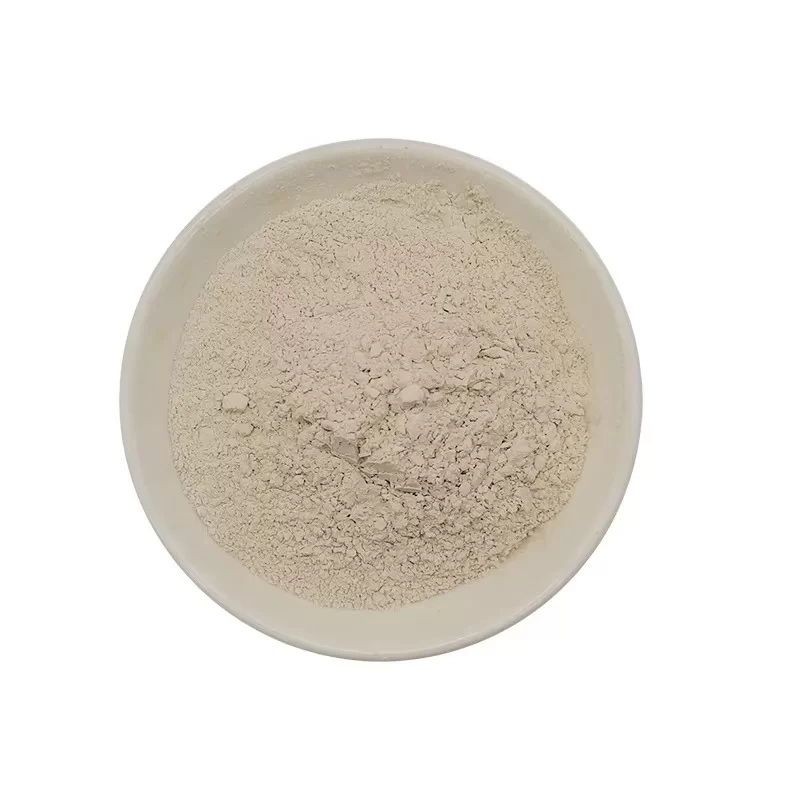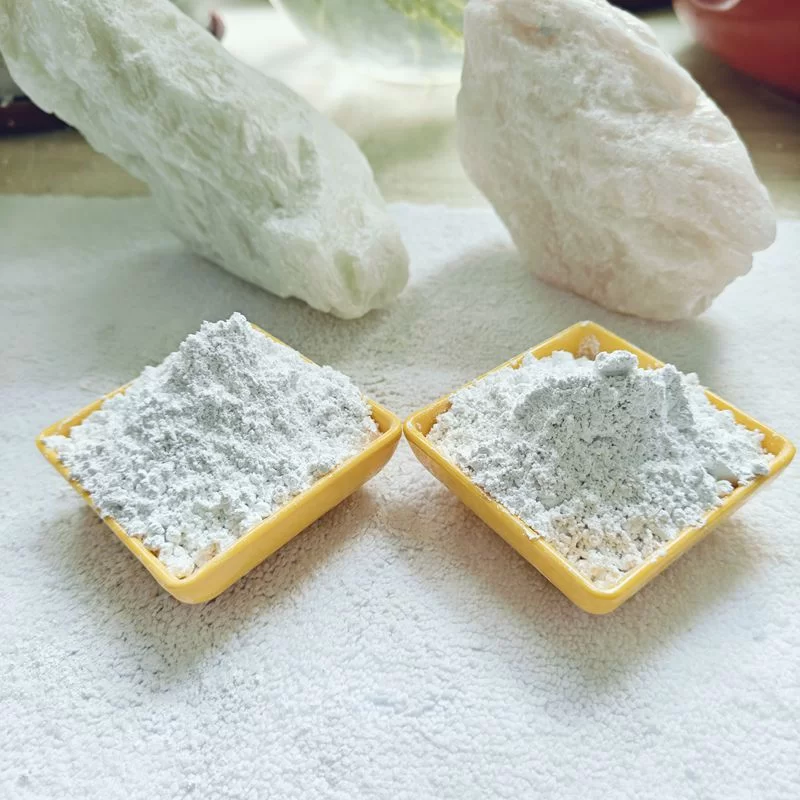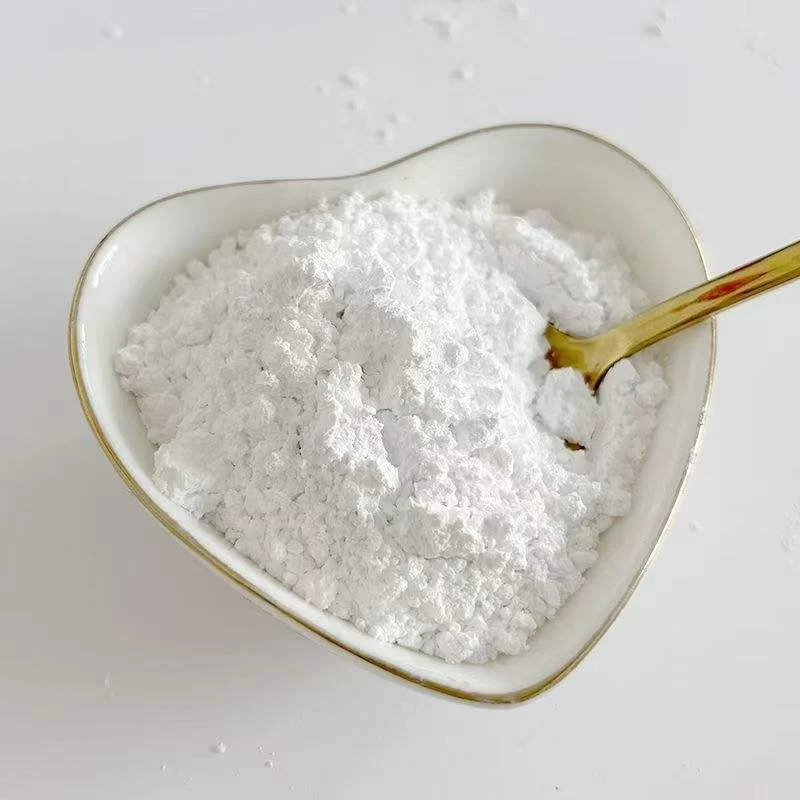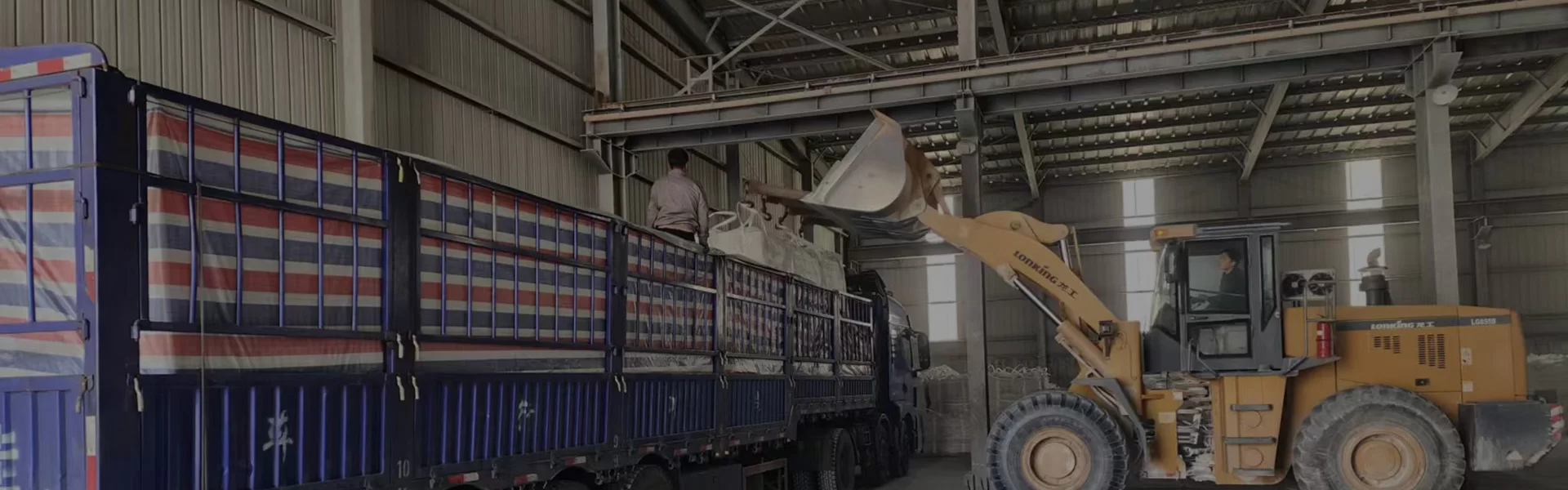
The demand for artificial mica powder is steadily increasing across various industries, from cosmetics and paints to plastics and construction. China has emerged as a dominant supplier in the global market, offering competitive mica powder prices. This article provides an in-depth look at factors influencing these prices, key suppliers (including Fesmining), quality considerations, and how to navigate the Chinese market. Understanding these dynamics is crucial for businesses seeking to source high-quality mica powder at the best possible value.
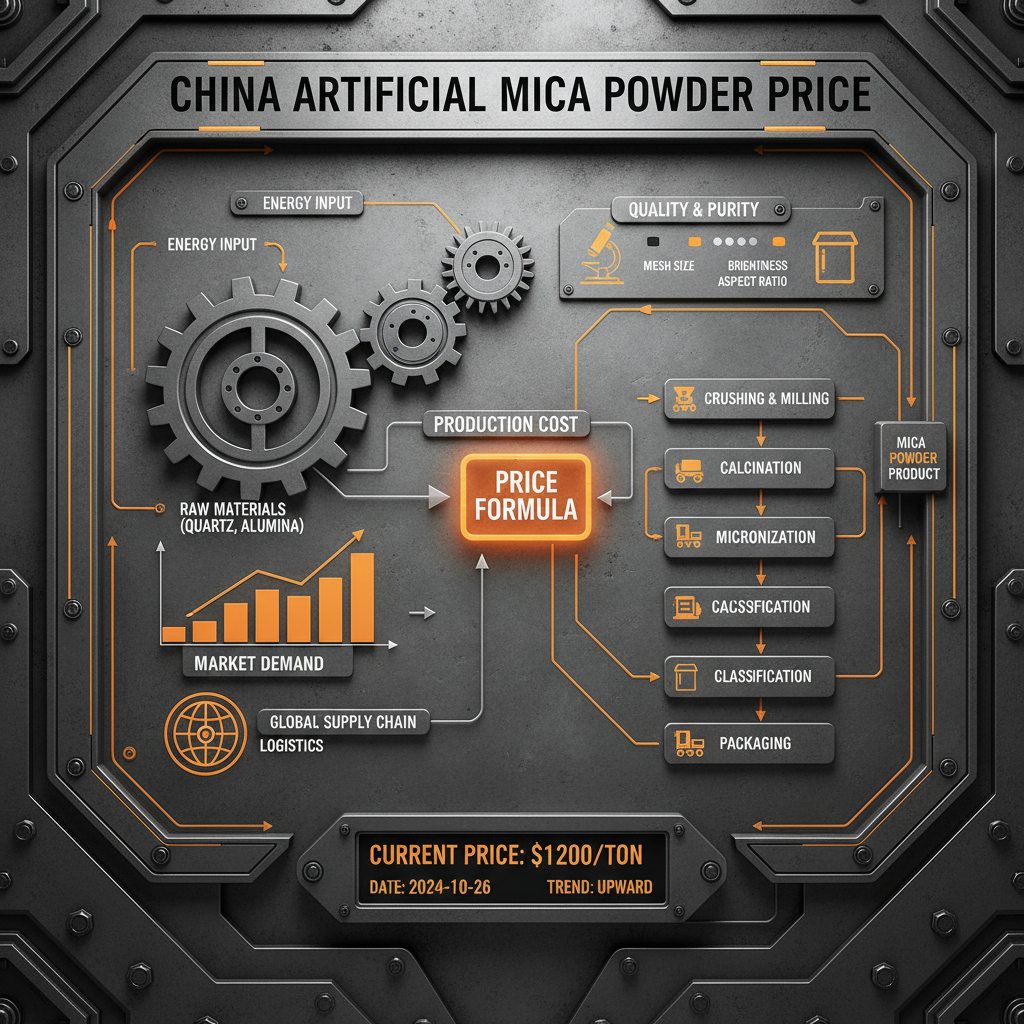
Several factors contribute to fluctuations in artificial mica powder prices. These include the cost of raw materials (such as silica, alumina, and titanium dioxide), manufacturing processes (calcination, coating, and grinding), energy costs, labor costs, transportation fees, and market demand. Government regulations and environmental policies in China also play a significant role. Global economic conditions and currency exchange rates are additional variables that can impact prices. Suppliers like Fesmining closely monitor these factors to provide competitive and stable pricing.
Key Influencers: Raw material costs, manufacturing processes, energy and labor expenses, transportation, demand and supply, government policies.
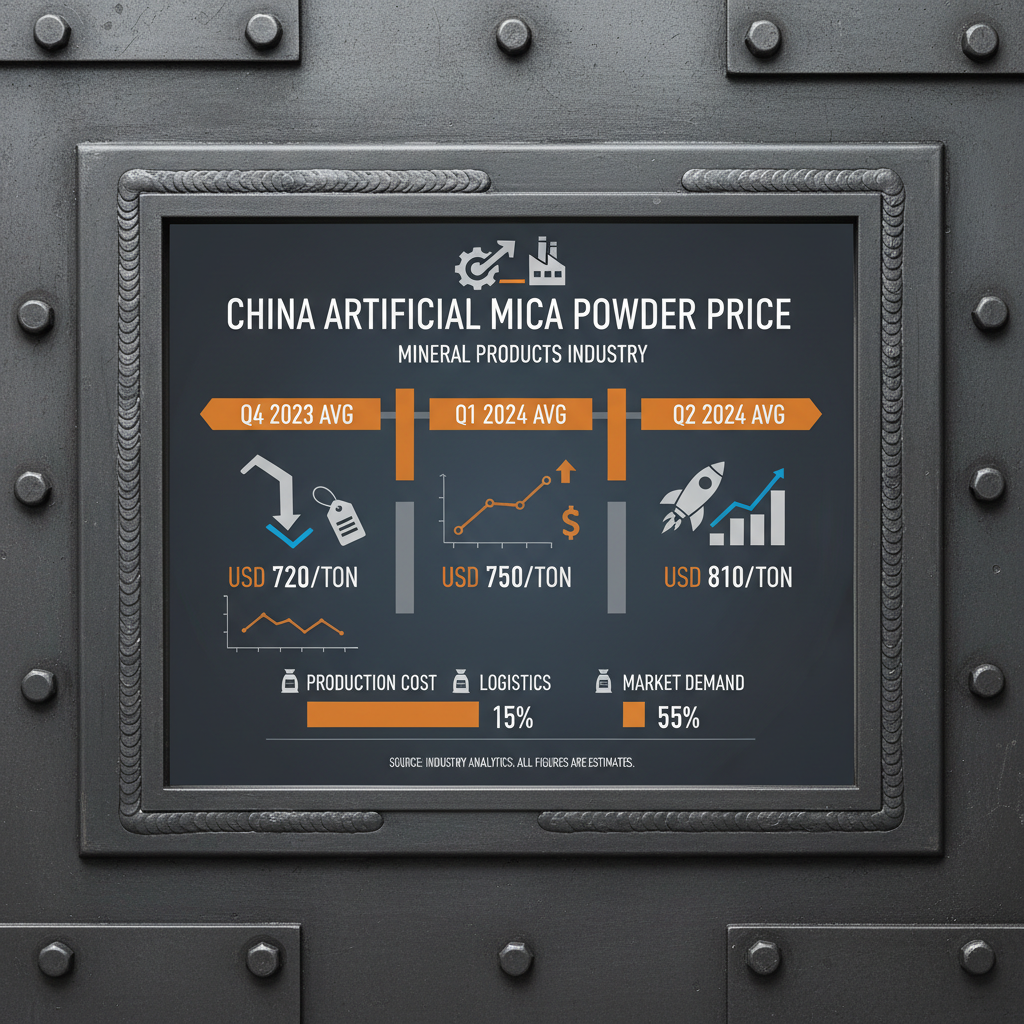
When comparing mica powder prices from different suppliers, it’s crucial to consider the quality and specifications of the product. Prices can vary significantly based on particle size, color, purity, and surface treatment. Generally, prices are lower in China compared to other regions due to lower production costs and a highly competitive market. However, prioritizing quality over price is essential to ensure the powder meets your application requirements. Fesmining offers various grades of mica powder tailored to specific industry needs, with transparent pricing based on specifications.
Ensuring the quality of artificial mica powder is paramount. Reputable suppliers like Fesmining implement rigorous quality control procedures throughout the manufacturing process, from raw material sourcing to final product testing. Key quality parameters include particle size distribution, chemical composition, whiteness, and impurity levels. Adherence to international standards like ISO 9001 demonstrates a commitment to quality management. Requesting a Certificate of Analysis (COA) from your supplier is essential to verify the powder's specifications.
Quality Control Checks:
• Particle Size Analysis
• Chemical Composition Testing
• Whiteness and Brightness Measurement
• Impurity Level Assessment
Choosing the right supplier is vital when sourcing artificial mica powder from China. Look for suppliers with a proven track record, established quality control systems, and a commitment to customer service. Consider factors such as production capacity, lead times, and shipping options. Fesmining, for example, has extensive experience in exporting mica powder globally and offers customized solutions to meet specific client requirements. Direct communication and factory audits can further enhance confidence in your supplier's capabilities.
Importing artificial mica powder into your country requires understanding and complying with relevant import regulations and logistics procedures. This includes obtaining necessary permits, paying import duties and taxes, and arranging for shipping and customs clearance. Working with a reputable freight forwarder can simplify the process and ensure smooth delivery. Fesmining provides guidance on import requirements and offers logistics support to facilitate international trade.
Sourcing artificial mica powder from China can offer significant cost advantages, but it's crucial to prioritize quality, reliability, and compliance. By carefully evaluating suppliers, understanding market dynamics, and navigating import regulations effectively, businesses can secure a stable supply of high-quality mica powder at competitive prices. Fesmining stands as a trusted partner in this process, offering expertise and support to ensure a successful sourcing experience.
The minimum order quantity (MOQ) varies depending on the grade and specifications of the mica powder. Generally, for standard grades, the MOQ is 1 metric ton (1000kg). However, we are flexible and can accommodate smaller orders for specific applications or samples. We encourage customers to contact us with their specific requirements, and we will strive to provide a customized solution. Fesmining is committed to catering to both large-scale and smaller-volume buyers.
We accept a variety of payment methods to facilitate international transactions. These include Telegraphic Transfer (TT), Letter of Credit (LC), and PayPal. For larger orders, we typically require a 30% deposit upfront and the remaining 70% upon shipment or against the Bill of Lading. We prioritize secure and convenient payment options for our customers. Please contact our sales team for detailed payment instructions.
Shipping time depends on the destination country and the chosen shipping method. Generally, sea freight takes between 20 to 40 days, while air freight takes between 3 to 7 days. We work with reliable freight forwarders to ensure timely and efficient delivery. Factors such as customs clearance procedures can also influence the overall delivery time. We will provide you with a realistic estimated delivery schedule based on your specific order and location.
Yes, Fesmining specializes in providing customized mica powder solutions. We can tailor the particle size, color, and surface treatment to meet your specific application requirements. Our technical team works closely with customers to understand their needs and develop a product that delivers optimal performance. We welcome inquiries for customized formulations and are committed to innovation.
Naki Bentonite excels as a multi-functional material. It purifies water by adsorbing impurities, stabilizes drilling wells, and enhances soil quality—all thanks to its superior swelling and adsorption capabilities.
Calcium Bentonite is a cost-effective clay with moderate swelling and adsorption. It’s widely used in soil improvement, animal feed, and low-demand water treatment for daily needs.
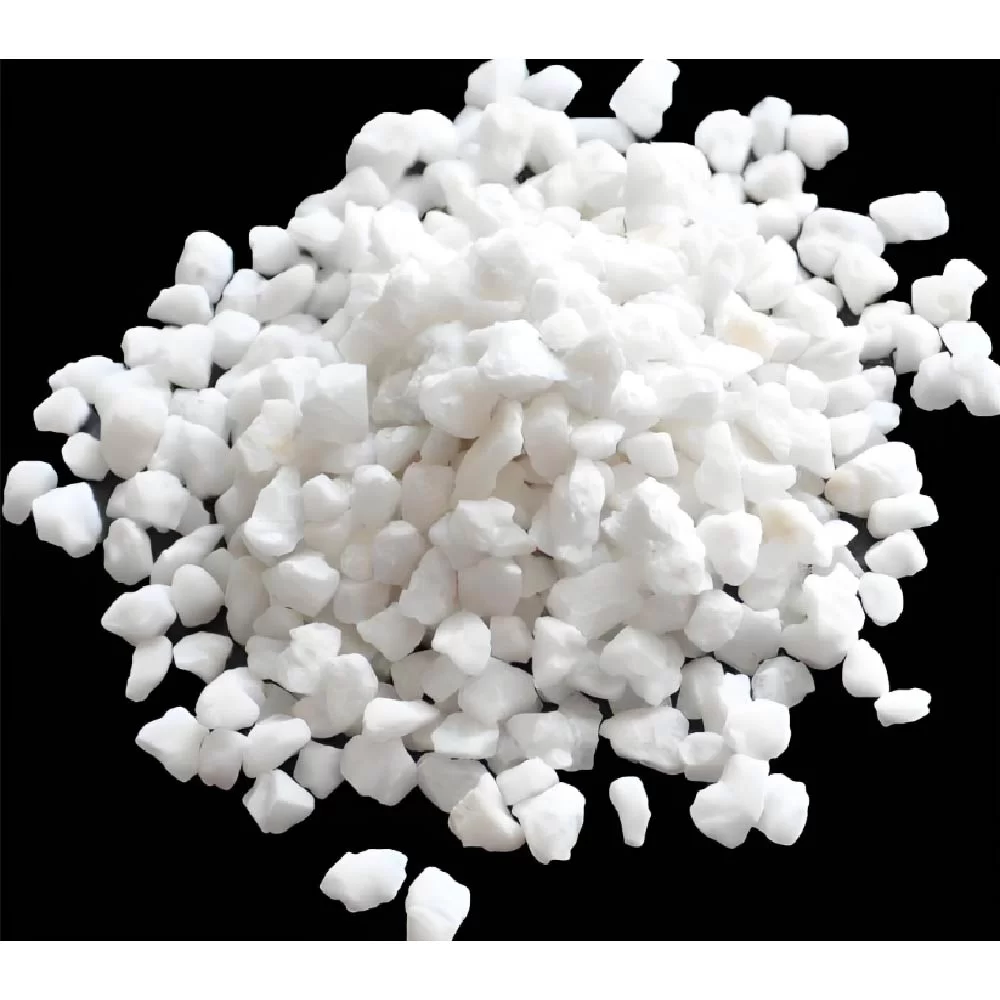
Derived from grinding natural carbonate minerals like calcite, marble, and limestone, Heavy calcium carbonate is a go-to powdered inorganic filler in multiple industries. It delivers core advantages: high chemical purity, strong inertness, chemical reaction resistance, stable thermal performance (no decomposition under 400℃), plus high whiteness, low oil absorption, low refractive index, soft texture, no crystal water, low hardness (minimal abrasion), non-toxicity, odorlessness, and great dispersibility. This makes it widely used in rubber, plastics, paints, water-based coatings, papermaking, concrete, and fireproof ceiling materials.
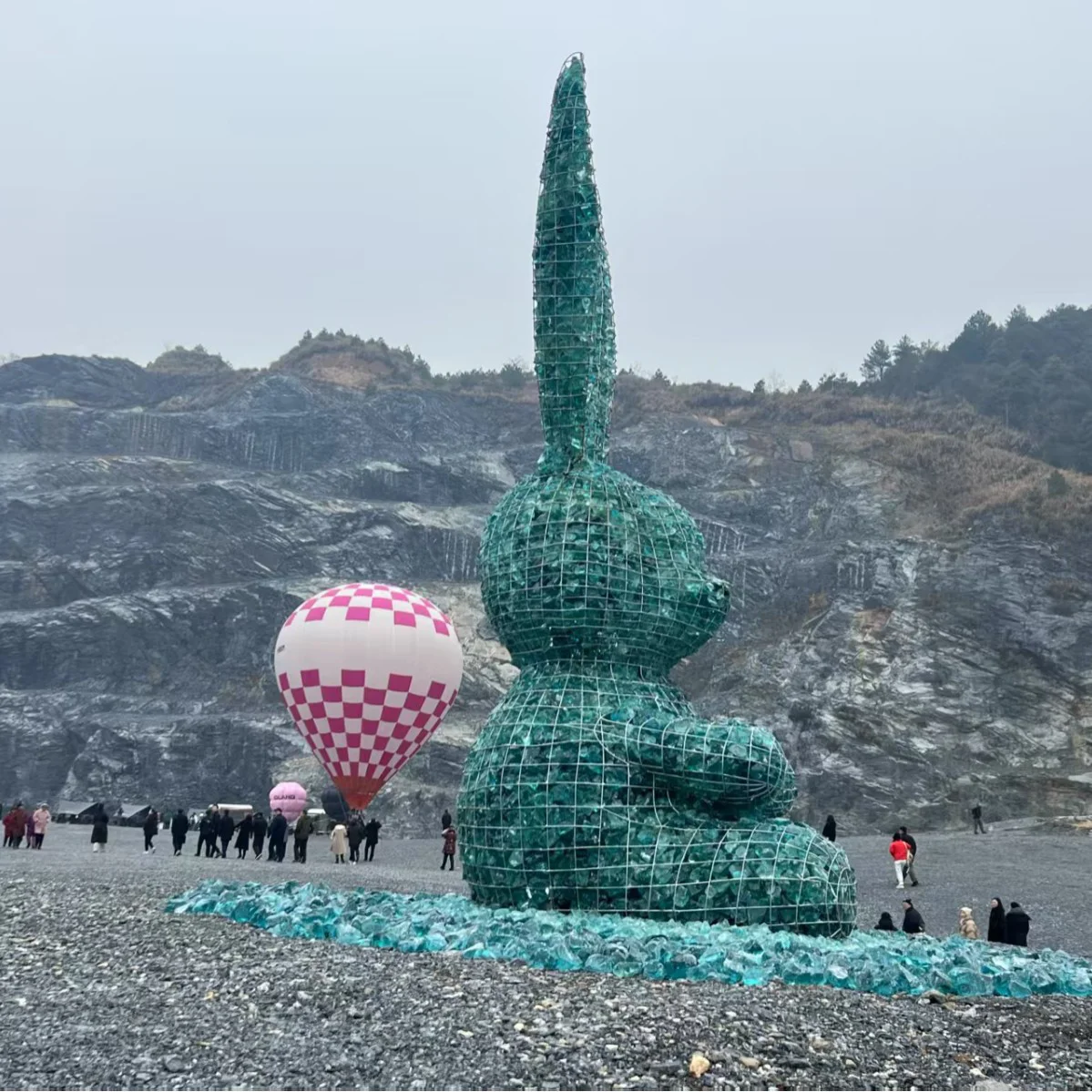
Crushed Glass Stone is a versatile building decoration material, available in customized sizes with multiple color options. Made from high-quality glass, it offers strong durability, rich color, and modern visual appeal.
It is widely used for terrazzo flooring, countertops, landscaping, wall decoration, and aquarium projects, helping designers create unique and vibrant surfaces.
The material is stable, low-maintenance, and resistant to fading, making it suitable for indoor and outdoor applications.
Calcined talc powder specifically designed for rubber applications. Functions as effective filler, release agent, and surface treatment agent while improving heat resistance and mechanical properties.
High-performance vitrified microsphere with closed-cell structure. Excellent thermal insulation, low water absorption (35-50%), and superior strength. Ideal for building insulation and lightweight aggregates.
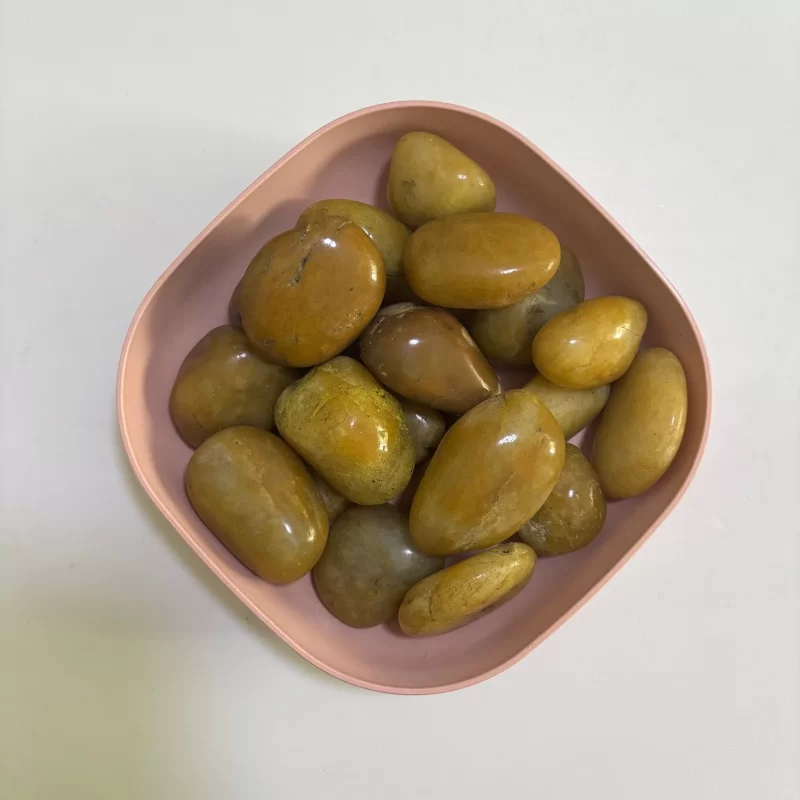
Pebbles avoid intricate man-made carving; instead, they keep the traces shaped by time and natural forces as much as possible. Coming in diverse colors and full size ranges, they’re widely used in landscape and construction fields thanks to their natural characteristics, water permeability, wear resistance and rich natural charm—including paving, garden paths, water feature creation, cultural stone, stone cladding and filter media.

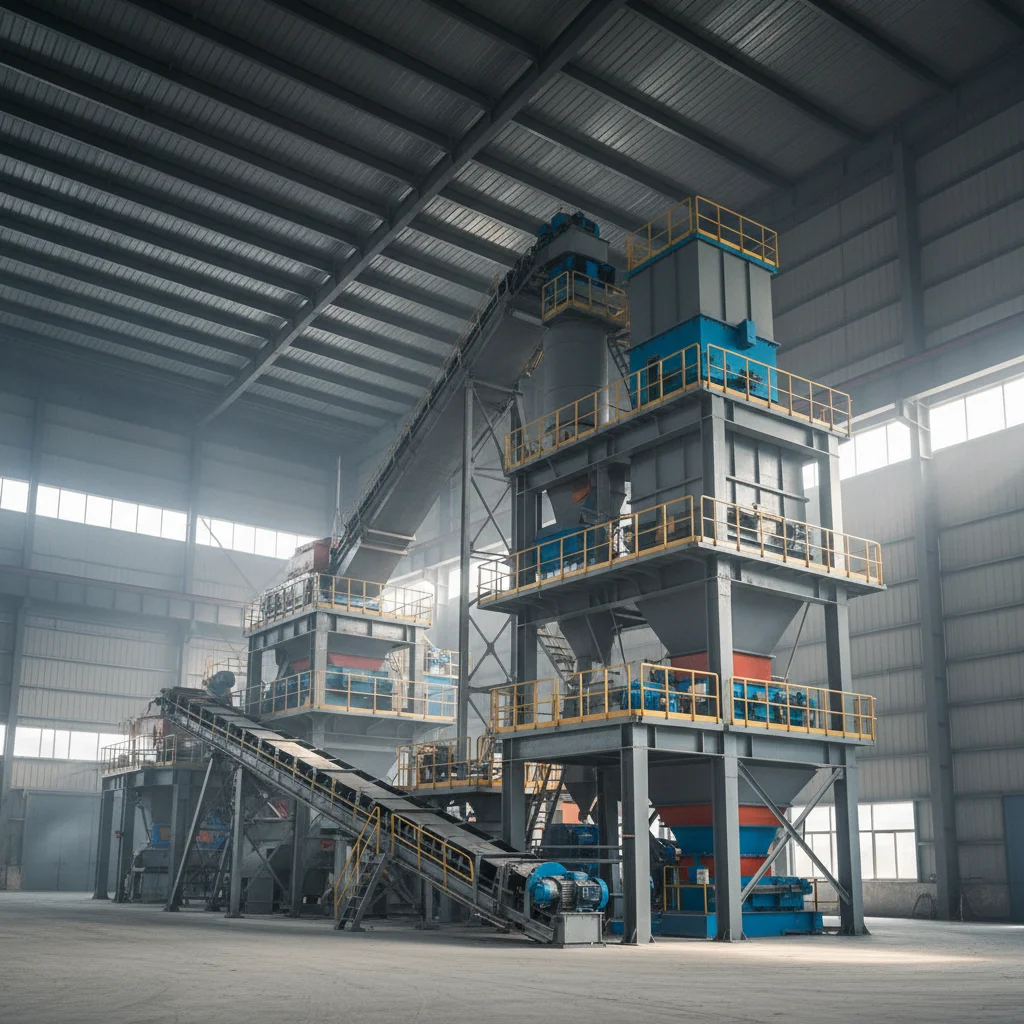
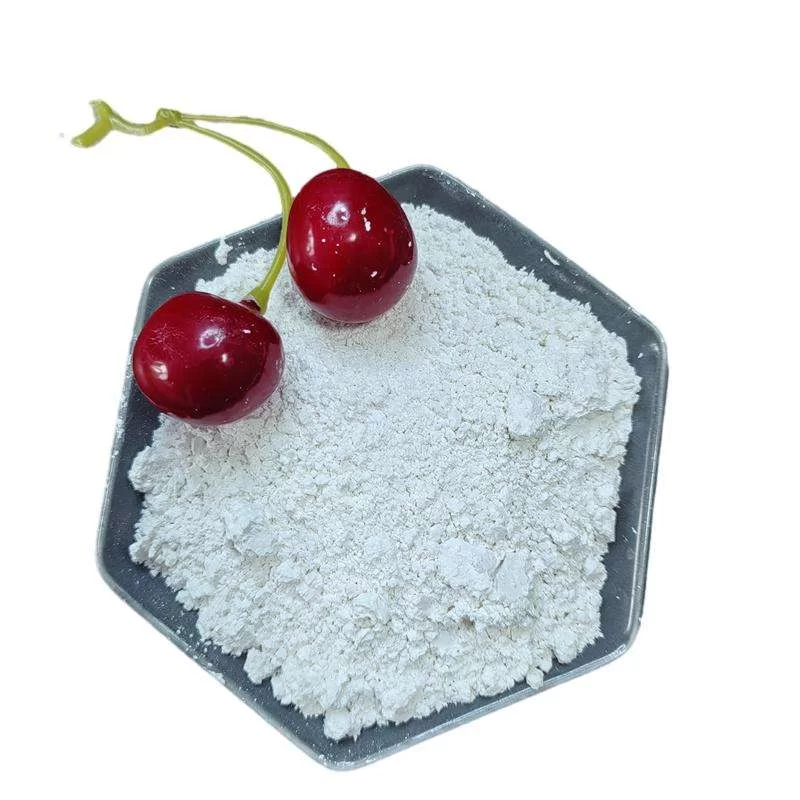
This article explores the science, risks, regulations, and practical safety considerations surrounding talc powder.



If you are interested in our products, you can choose to leave your information here, and we will be in touch with you shortly.