
1232
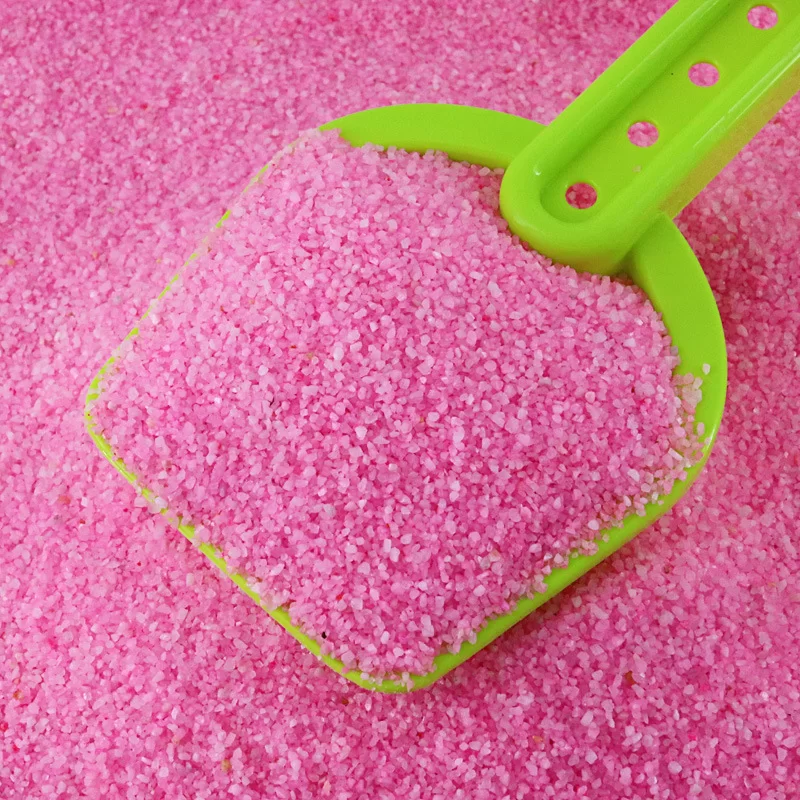
Sintered colored sand, also known as high-temperature sintered colored sand or ceramic colored sand, is a high-end decorative material that uses a high-temperature ceramic sintering process to color selected quartz sand. Its core lies in using high temperatures (usually above 800℃) to fuse inorganic ceramic glazes with the surface of the quartz sand, forming a strong and dense colored ceramic layer.
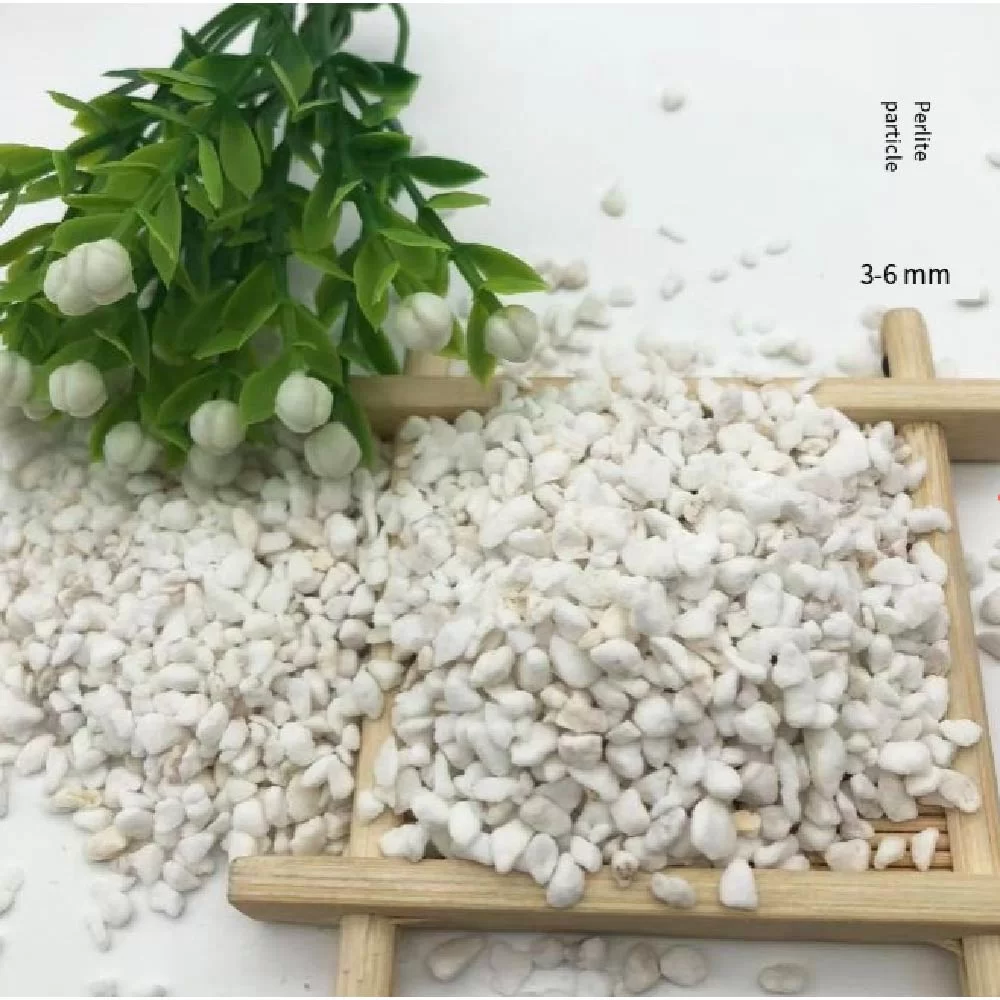
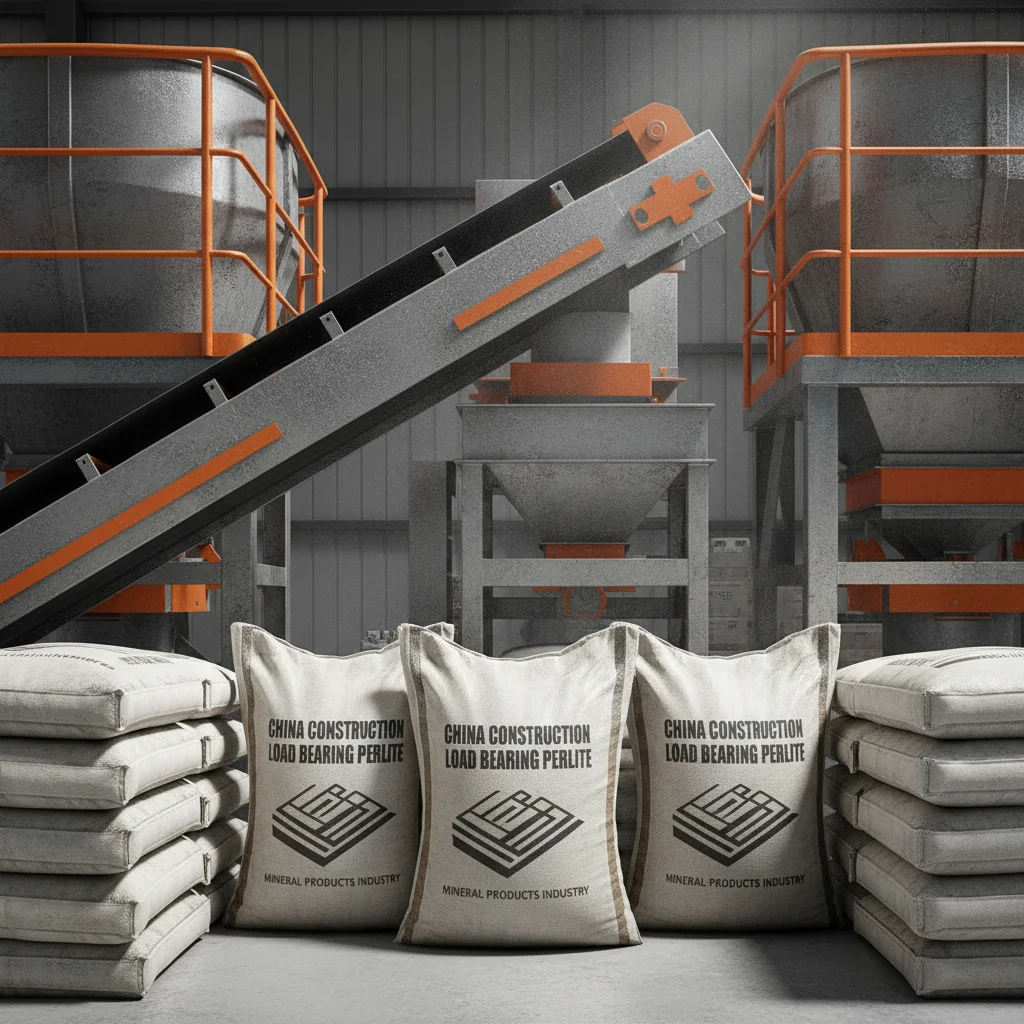
Standard expanded perlite for general insulation and lightweight applications. Low density (70-110kg/m³), excellent thermal properties, and cost-effective solution for various industrial and construction uses.
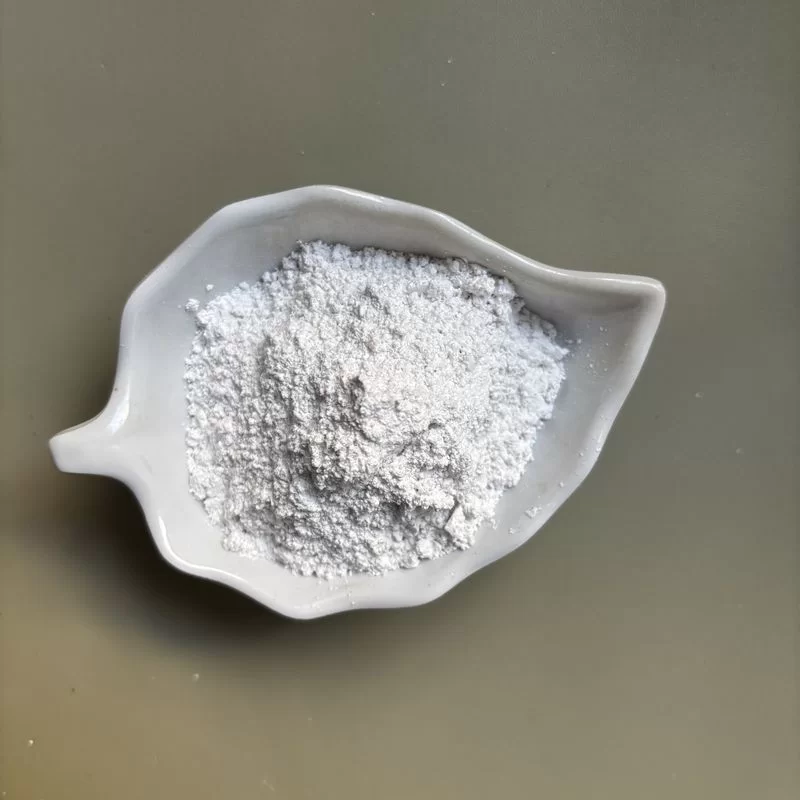
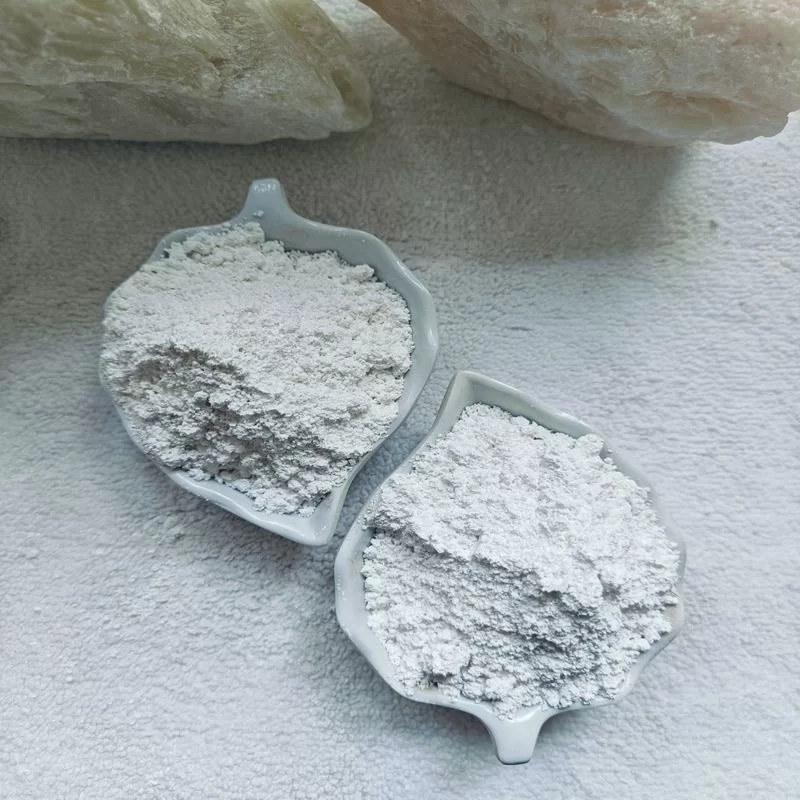
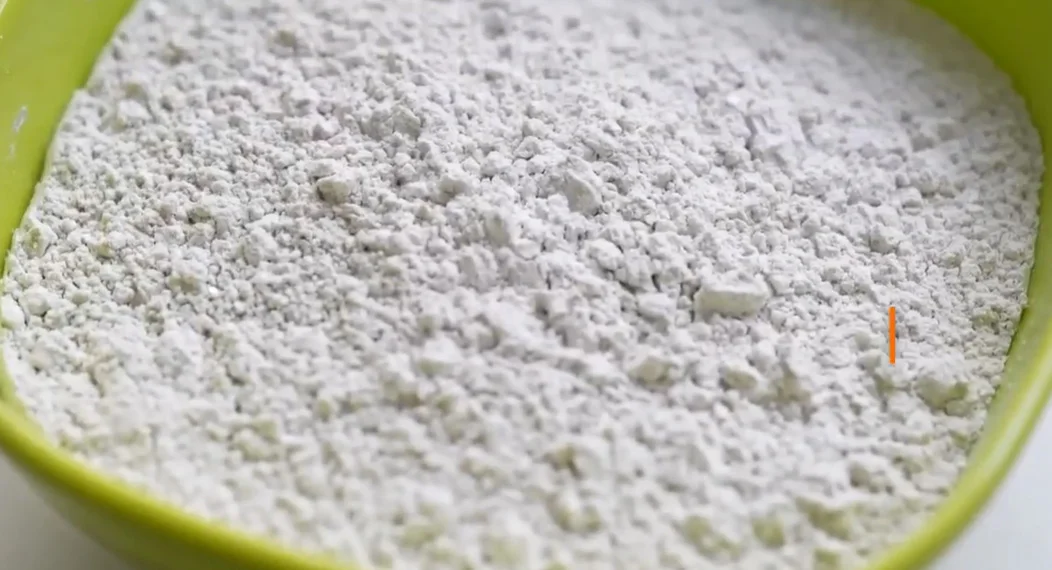
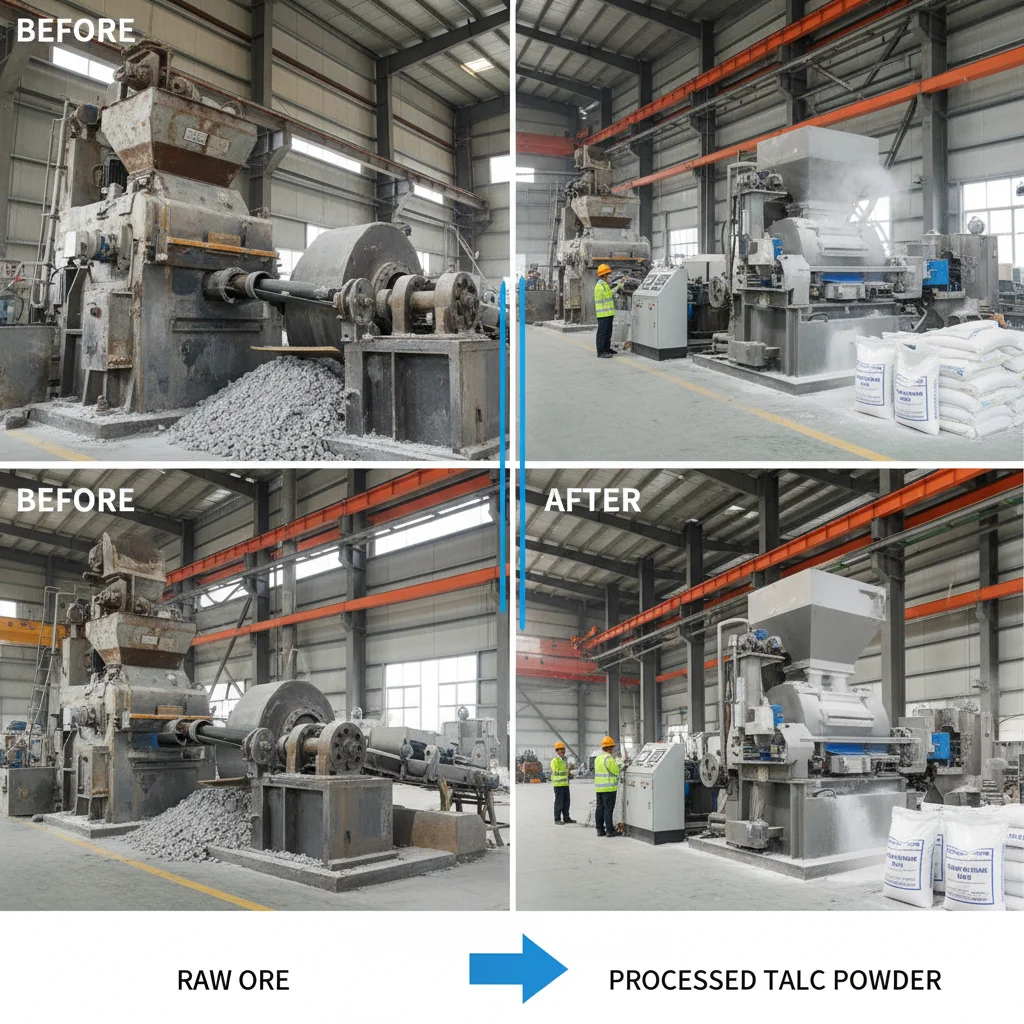
High-quality talc powder specifically formulated for paint and coating applications. Enhances leveling, smoothness, and acid/alkali resistance while reducing production costs.
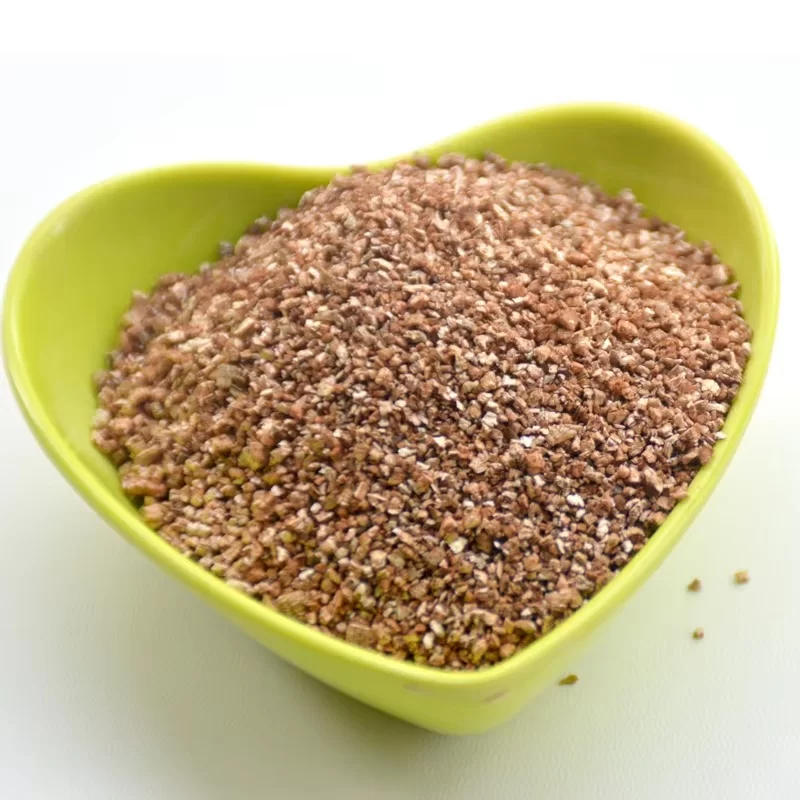
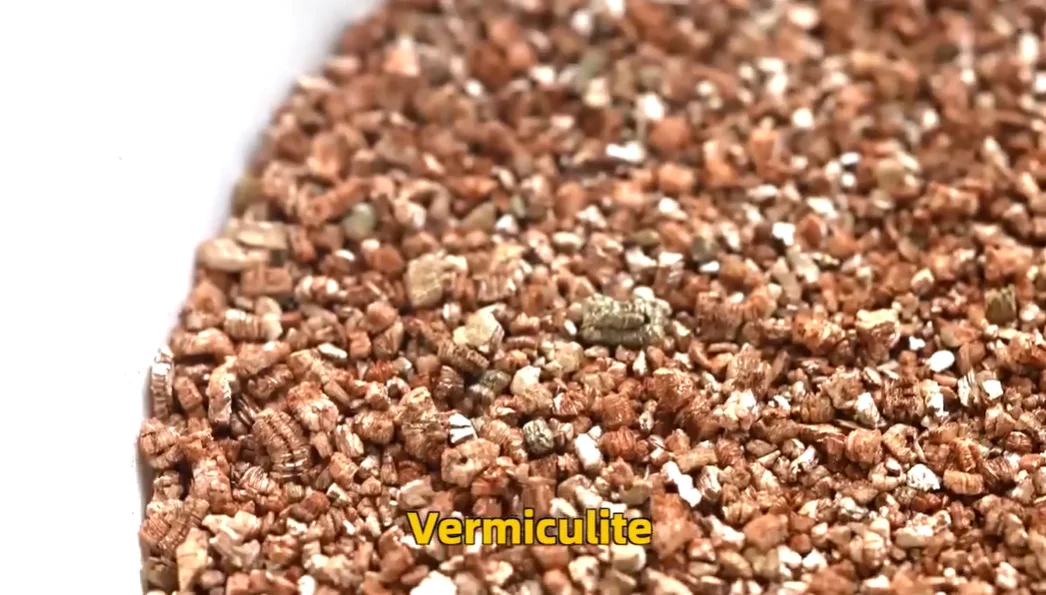
Yellow vermiculite is primarily sourced from the alteration of biotite or phlogopite mica in igneous and metamorphic rocks. Major deposits exist in South Africa, the US, and China, extracted via mining then processed through heating for expansion.
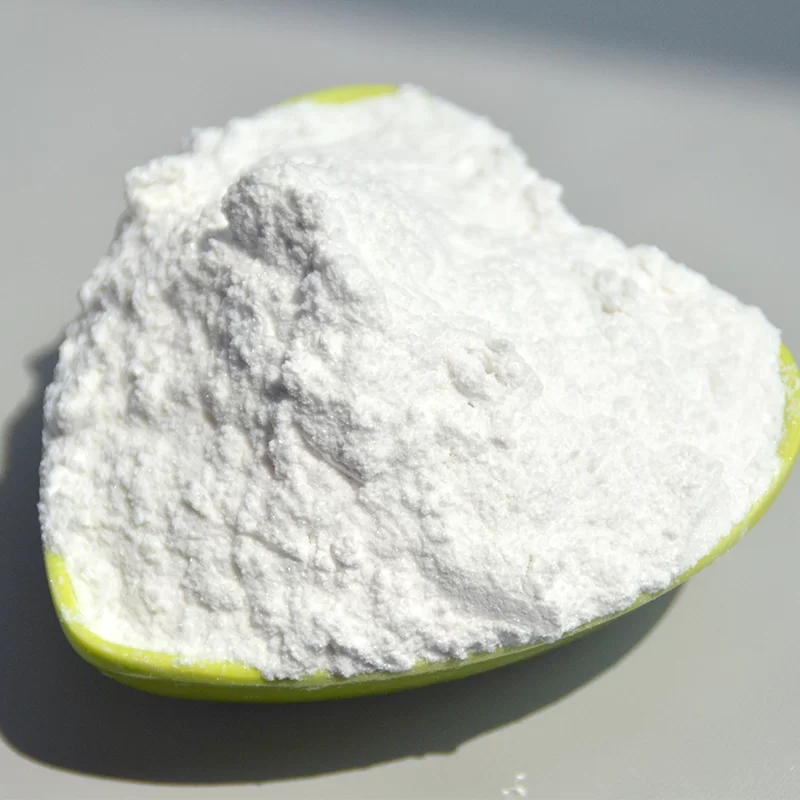
Light calcium carbonate usually appears in spindle or needle-like shapes with a narrow particle size distribution. It features uniform particles, high whiteness, large sedimentation volume, low oil absorption value, good dispersibility, and high chemical purity. These properties enable it to be widely used in numerous industrial fields, such as plastics, rubber, papermaking, and coatings.
Type: Pure white mica powder, pearlescent mica powder
Particle Size:
600, 800, 1000, 2000, 3000mesh or customized particle size
Application Effect:Matte, pearlescent, glossy
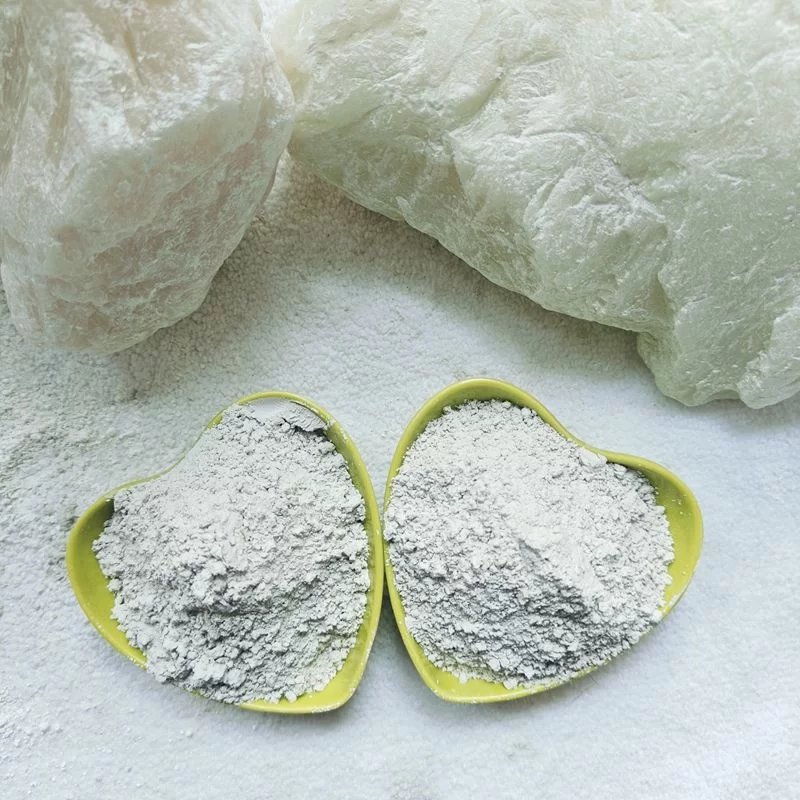
Washed Kaolin is produced by mixing raw kaolin with water to form a slurry, which then undergoes sedimentation for purification and is finally dried. This process yields a refined mineral that retains the essential properties of kaolin. It is characterized by its whiteness, cost-effectiveness, good fluidity, stable chemical properties, and a large surface cation exchange capacity. As a high-performance filler, it is extensively used in coatings and paints. It is also a key material in the manufacturing of firebricks, alumina-silica fiber, as well as in cosmetics and pharmaceutical products.
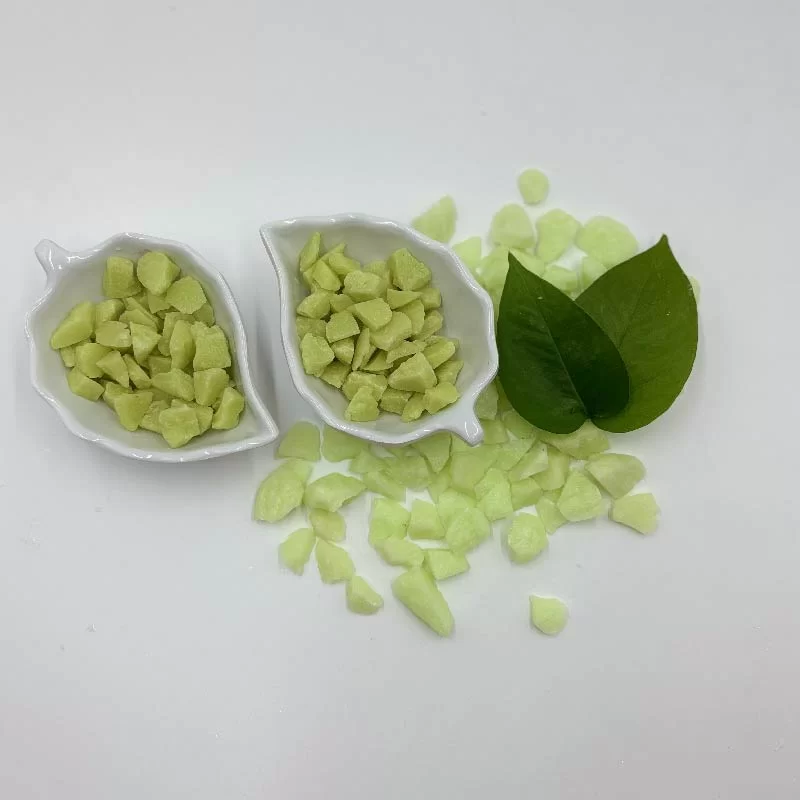
Glass-based luminous stones are functional decorative materials made by combining high-quality rare earth long-lasting luminous materials with glass substrates through special processes (such as high-temperature sintering or melting). They inherit the crystal clarity and hard texture of glass, while being endowed with the magical property of self-luminescence at night, presenting a clear, cool and highly modern optical effect. These stones are widely used in garden road paving, wall guidance signs, safety warning lines, water feature design, kitchen countertops, bathroom walls, and lobby feature walls.



If you are interested in our products, you can choose to leave your information here, and we will be in touch with you shortly.