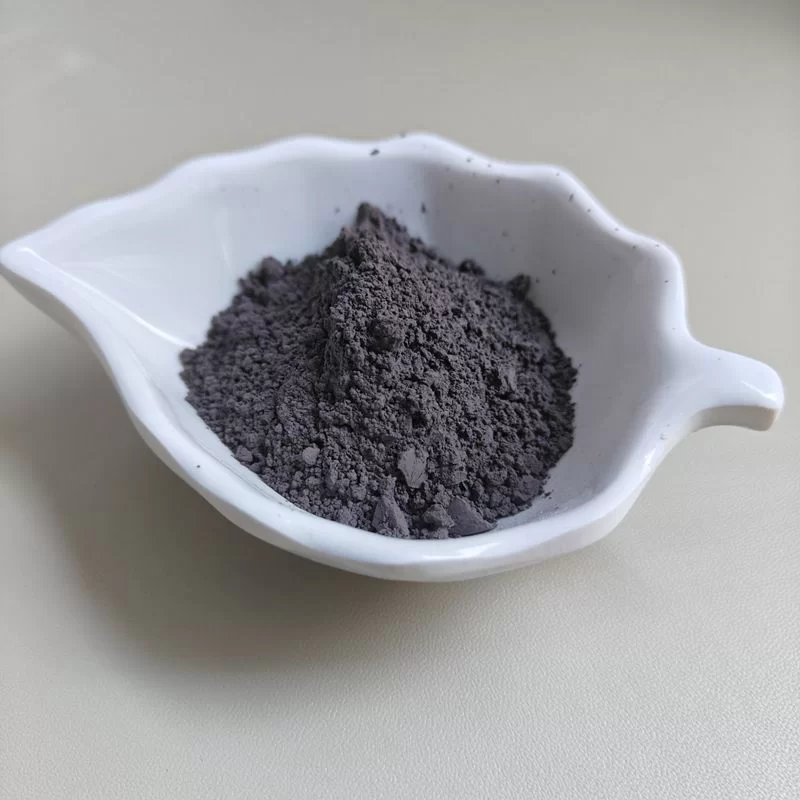
Biotite powder is a finely ground mineral powder made from biotite, a common dark-colored mica mineral found in igneous and metamorphic rocks. Known for its layered structure, heat resistance, and mineral-rich composition, biotite powder is widely used in industries such as plastics, coatings, construction materials, agriculture, ceramics, and cosmetics.
As manufacturers continue searching for cost-effective mineral additives with stable physical and chemical properties, biotite powder has become increasingly important in modern industrial applications.
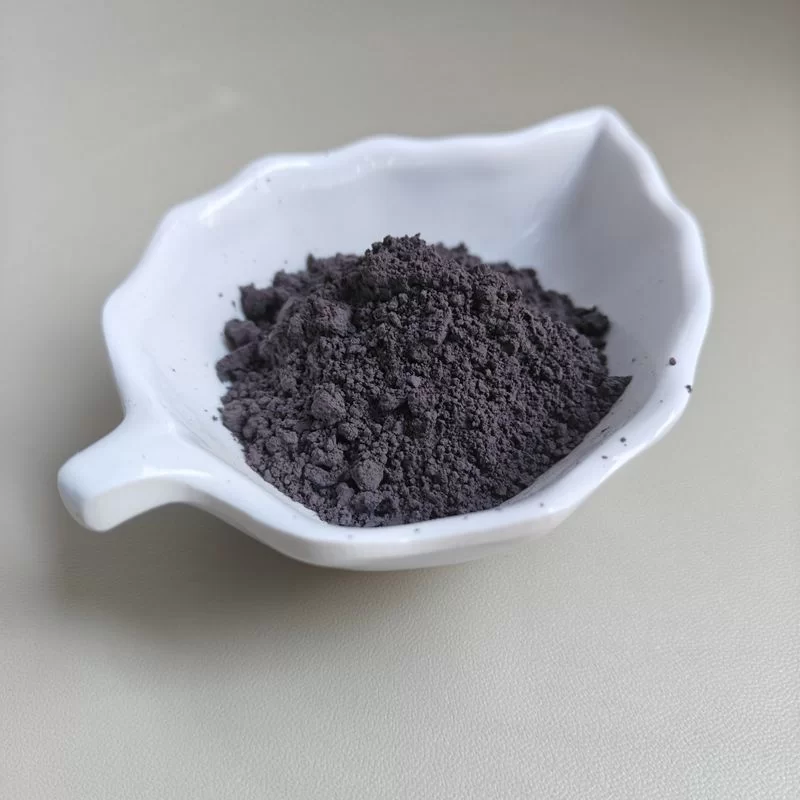
Biotite is a naturally occurring silicate mineral that belongs to the mica family. It typically contains magnesium, iron, aluminum, potassium, and silica. Biotite is recognizable by its dark brown to black color and its sheet-like crystal structure.
The mineral forms in layered flakes, making it easy to grind into ultra-fine powder for industrial processing. Because of its excellent thermal stability and insulation properties, biotite powder is often used as a functional filler in many manufacturing sectors.
Biotite usually contains:
Silicon dioxide (SiO₂)
Aluminum oxide (Al₂O₃)
Iron oxide (FeO/Fe₂O₃)
Magnesium oxide (MgO)
Potassium oxide (K₂O)
These components give the powder strong mechanical strength, heat resistance, and chemical durability.
The production process of biotite powder generally includes:
Mining and raw ore selection
Crushing and grinding
Magnetic separation and purification
Fine milling
Particle size classification
Packaging and quality inspection
Advanced grinding technologies can produce biotite powder in different mesh sizes, ranging from coarse grades to ultra-fine micron powders suitable for high-performance industrial applications.
Biotite powder offers several beneficial properties that make it valuable across industries.
1. High Heat Resistance
Biotite can withstand high temperatures without significant structural changes. This makes it useful in heat-resistant coatings, insulation materials, and refractory products.
2. Excellent Electrical Insulation
Like other mica minerals, biotite has good dielectric properties. It helps improve insulation performance in plastics, cables, and electronic materials.
3. Layered Structure
Its sheet-like structure improves flexibility and reinforcement in composite materials. It can also enhance dimensional stability in polymers.
4. Chemical Stability
Biotite powder resists many chemicals, acids, and environmental conditions, helping improve product durability.
5. Natural Mineral Composition
Because it is naturally sourced, biotite powder is often used as a mineral additive in eco-friendly products and industrial formulations.
Biotite powder has a wide range of industrial and commercial applications.
1. Plastics and Polymer Industry
Manufacturers use biotite powder as a functional filler in plastic products to improve:
Mechanical strength
Thermal resistance
Dimensional stability
Surface smoothness
It is commonly added to engineering plastics, PVC compounds, polypropylene products, and industrial polymer composites.
2. Paints and Coatings
In coatings and paints, biotite powder helps:
Increase weather resistance
Improve anti-corrosion performance
Enhance durability
Reduce cracking and shrinkage
Its layered structure creates a barrier effect that improves moisture resistance in protective coatings.
3. Construction Materials
Biotite powder is used in several construction products, including:
Dry mortar
Wall putty
Cement-based materials
Roofing materials
Decorative coatings
The mineral helps improve strength, crack resistance, and thermal insulation performance.
4. Rubber Industry
Rubber manufacturers use biotite powder to enhance:
Wear resistance
Tensile strength
Heat stability
Aging resistance
It is commonly used in industrial rubber sheets, automotive rubber parts, and sealing materials.
5. Agriculture and Soil Improvement
Because biotite contains potassium, magnesium, and trace minerals, it is sometimes used as a soil amendment and mineral fertilizer additive.
Benefits include:
Improving soil mineral balance
Enhancing moisture retention
Supporting plant growth
Increasing soil fertility
6. Ceramics and Refractory Products
Biotite powder can improve the thermal performance of ceramic and refractory materials. It is used in:
Kiln linings
Fire-resistant panels
High-temperature insulation products
Ceramic composites
Its heat resistance makes it suitable for applications involving extreme temperatures.
7. Cosmetics and Personal Care Products
Fine-grade mica minerals, including processed biotite powder, may be used in cosmetic formulations to create shimmer and texture effects.
Applications include:
Makeup powders
Eye shadows
Mineral cosmetics
Decorative skincare products
Cosmetic-grade materials require strict purification and safety processing.
Many industries prefer biotite powder because of its combination of performance and cost efficiency.
Main Advantages
Natural mineral origin
Good thermal insulation
Strong chemical stability
Excellent reinforcement properties
Cost-effective filler material
Eco-friendly industrial additive
Wide particle size availability
These benefits make it suitable for both standard and high-performance manufacturing applications.
Biotite powder is often compared with muscovite mica and phlogopite mica.
| Property | Biotite | Muscovite | Phlogopite |
|---|---|---|---|
| Color | Dark brown/black | Light silver | Golden brown |
| Heat Resistance | Good | Moderate | Excellent |
| Electrical Insulation | Good | Excellent | Excellent |
| Iron Content | High | Low | Moderate |
| Industrial Cost | Competitive | Moderate | Higher |
Each mica type serves different industrial requirements depending on temperature resistance, appearance, and electrical properties.
When selecting a supplier, buyers should evaluate:
Mineral purity
Particle size consistency
Moisture content
Production capacity
Technical support
Export experience
Quality certifications
For industrial mineral sourcing, many global buyers work with established mineral manufacturers such as Fengersheng, which supplies mica-related mineral powders and industrial filler materials for international markets.
Demand for mineral fillers continues to grow in industries focused on lightweight materials, thermal insulation, and sustainable manufacturing.
Future growth areas include:
Advanced polymer composites
Green building materials
Electric vehicle components
Industrial coatings
Functional mineral additives
As industries seek natural alternatives to synthetic fillers, biotite powder is expected to remain an important industrial mineral worldwide.
Biotite powder is a versatile mineral material with excellent thermal stability, a layered structure, and chemical durability. It is widely used in plastics, coatings, construction materials, rubber, agriculture, ceramics, and cosmetic applications.
Its combination of affordability, functionality, and natural mineral properties makes it a valuable additive in modern manufacturing industries. As global demand for sustainable and high-performance mineral fillers increases, biotite powder will continue playing an important role across multiple industrial sectors.
Muscovite Mica Powder
Particle Size: 20-3000mesh
Product Overview
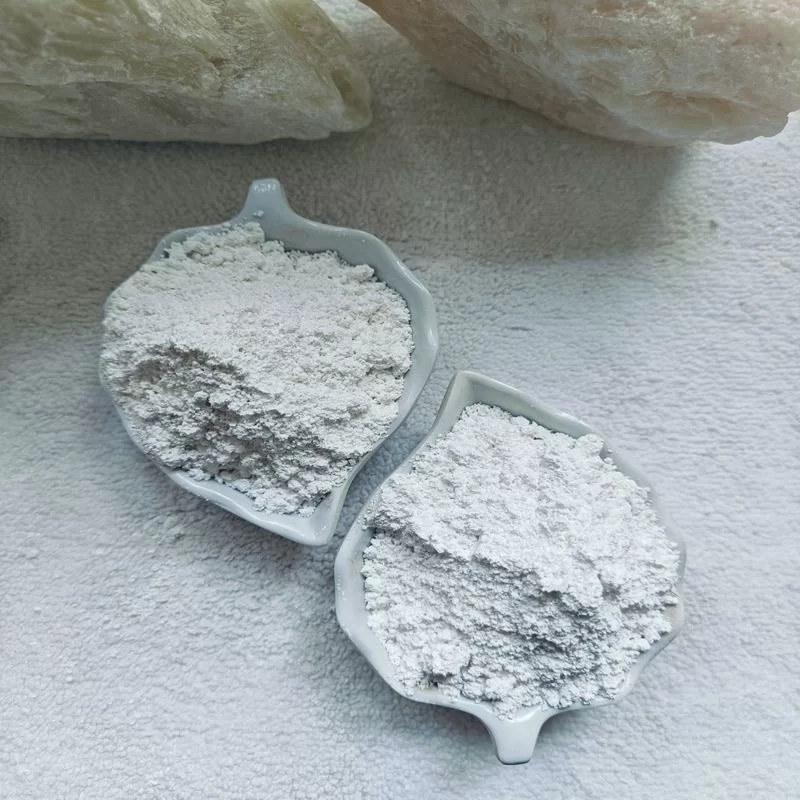
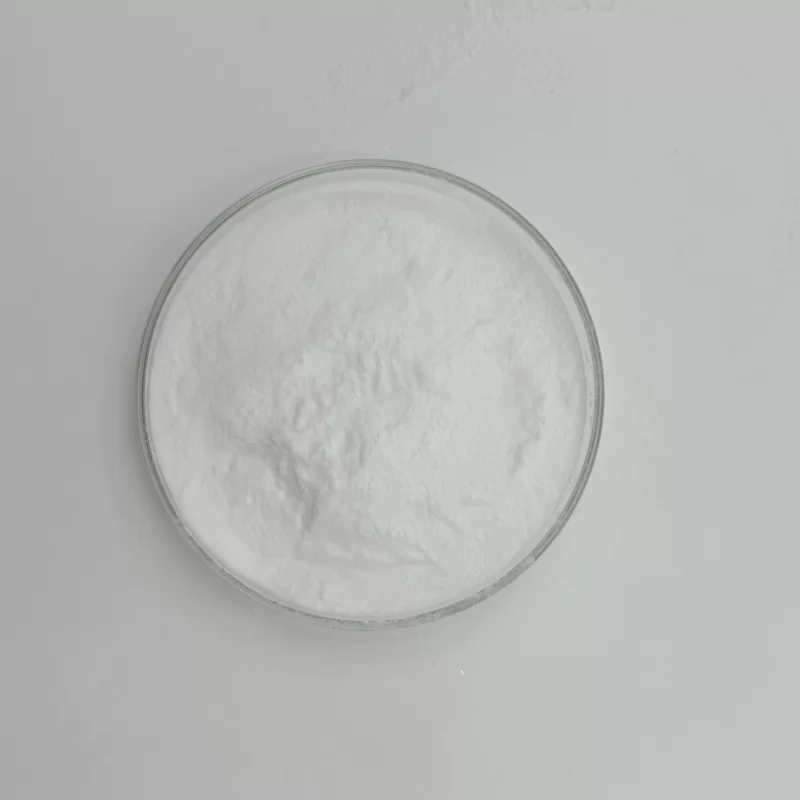
Muscovite mica powder, also known as white mica powder, is a silicate mineral with excellent insulation, heat resistance, and chemical stability.
It is the most widely used type of mica powder and serves as a functional filler in various industrial and cosmetic applications.
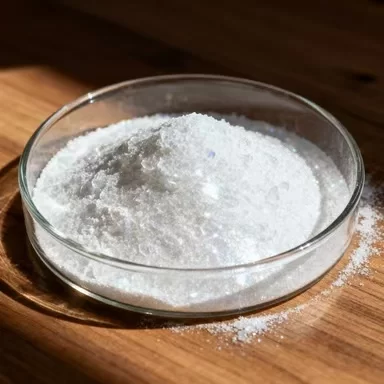
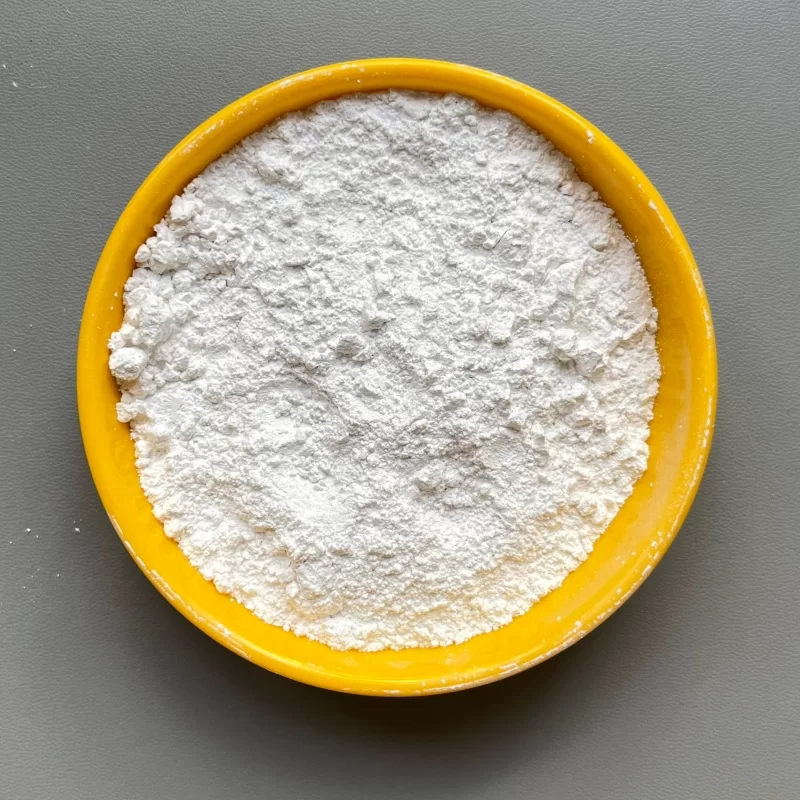
Light calcium carbonate usually appears in spindle or needle-like shapes with a narrow particle size distribution. It features uniform particles, high whiteness, large sedimentation volume, low oil absorption value, good dispersibility, and high chemical purity. These properties enable it to be widely used in numerous industrial fields, such as plastics, rubber, papermaking, and coatings.
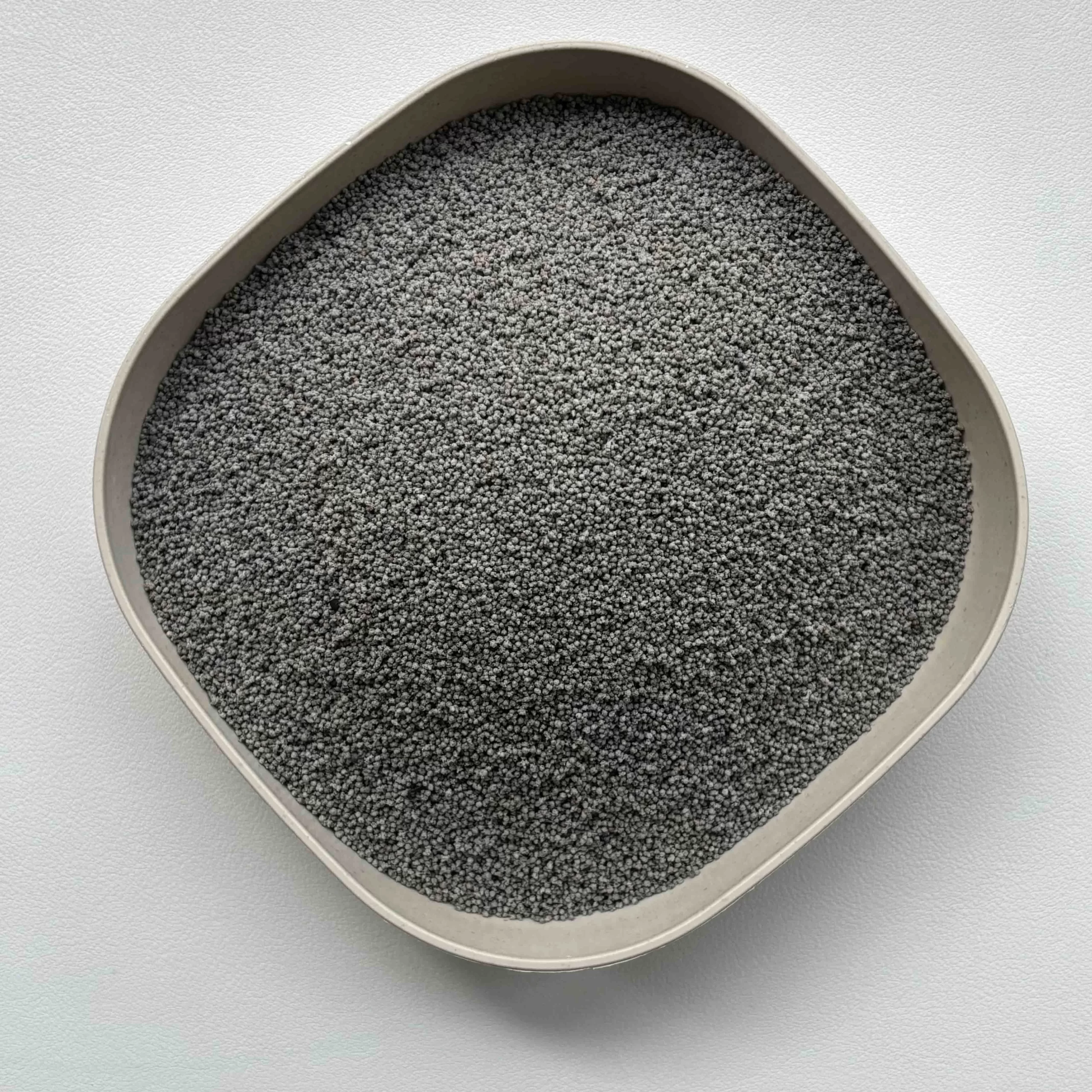
Our high-quality cenosphere (fly ash cenosphere) is a lightweight, hollow ceramic microsphere with excellent thermal insulation, high strength & chemical stability. Ideal for coatings, composites, refractories & construction. Eco-friendly, cost-effective, enhancing product performance while reducing weight.
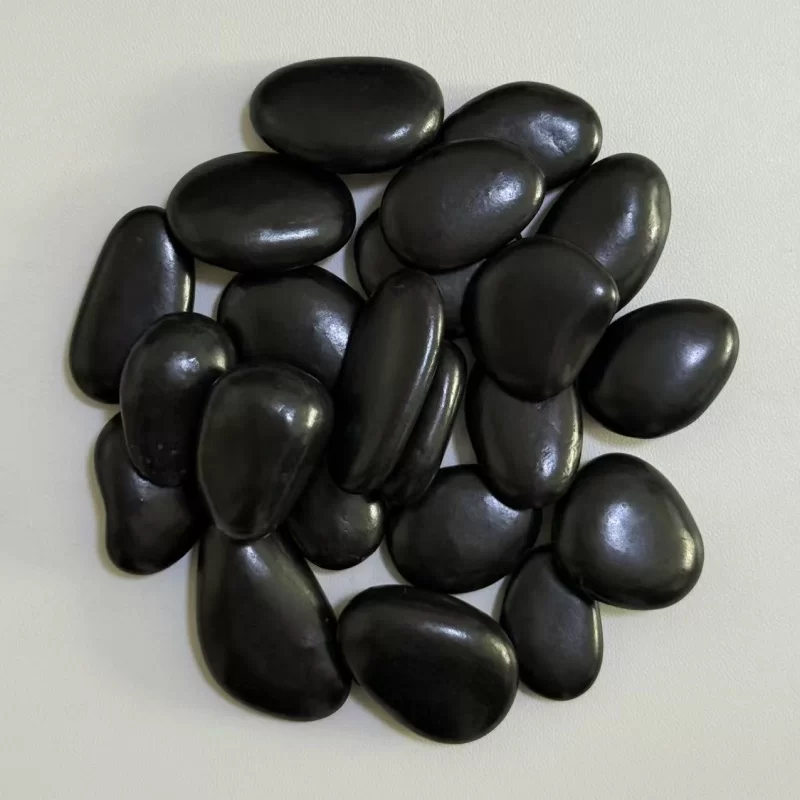
Natural-collected pebbles become polished pebbles after mechanical grinding and polishing, which gives them a smooth, shiny surface. They retain the original natural shape of pebbles and are endowed with an artistic second life. Thanks to their high aesthetic appeal and artistry, they’re mainly applied in decoration and life-quality enhancement fields: indoor decoration & display, aquarium and fish tank landscaping, bathroom decoration, indoor fountain and small artificial water feature decoration, and as a top material for making crafts such as paperweights, candlesticks, photo frames and creative ornaments.
With a spindle or needle-like structure and narrow particle size distribution, light calcium carbonate offers key advantages: uniform particles, high whiteness, large sedimentation volume, low oil absorption, good dispersibility, and high chemical purity. Such characteristics support its wide application in industries like plastics, rubber, papermaking, and coatings.
Hollow glass microspheres are lightweight spherical particles characterized by a smooth and reflective surface. Predominantly formulated with alkali-lime borosilicate glass, they possess a distinctive set of properties: low density, high mechanical strength, low thermal conductivity, excellent electrical insulation performance, temperature resistance, chemical stability, and good fluidity. These multi-functional microspheres are extensively utilized in adhesives, corrosion-resistant coatings, insulating coatings, construction materials, rubber products, synthetic wood, oilfield cementitious materials, and lightweight automotive composite materials.
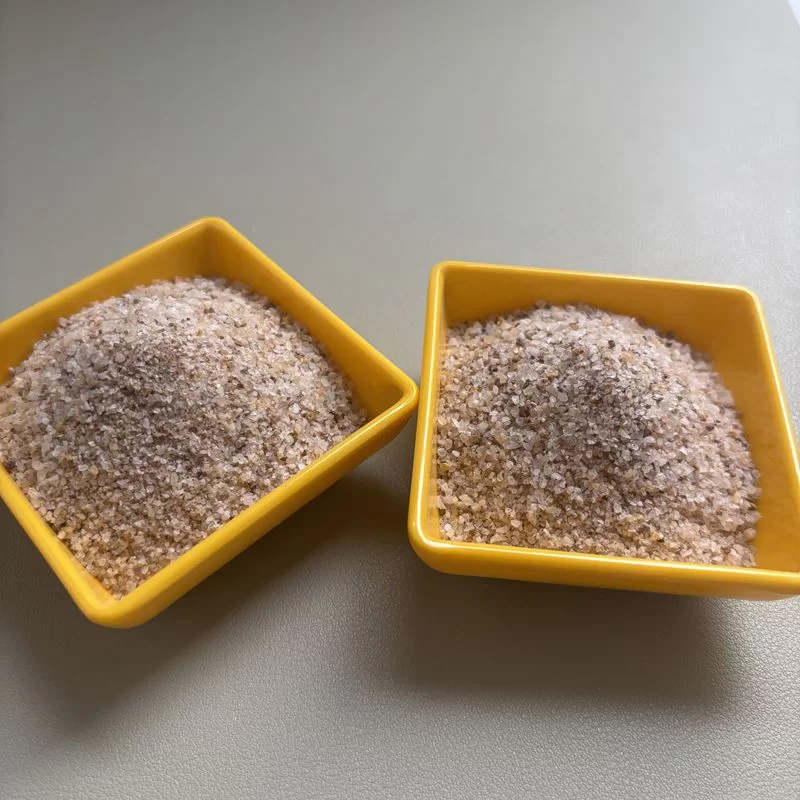
A robust and economical quartz sand for construction, industrial filler, and mortar applications. High silica content ensures durability and performance. Available in 20-40 mesh, 40-80mesh and custom sizes.
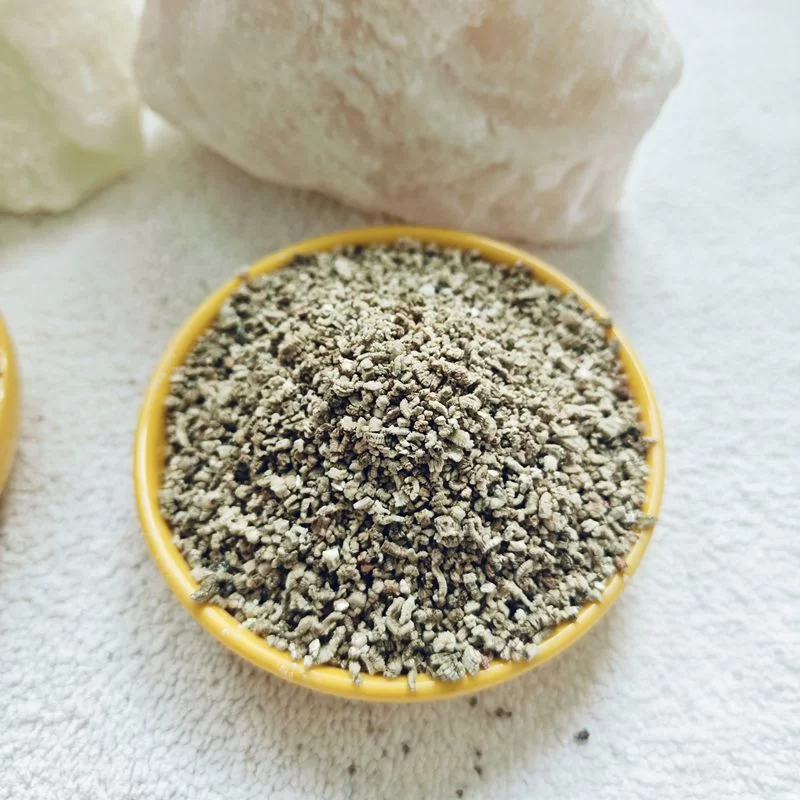
White vermiculite originates from natural magnesium-aluminum silicate rocks. Formed via geological processes like magmatism or metamorphism, it’s mined, then crushed and sorted to remove impurities, with high-quality deposits in South Africa, the US, and China.




The biotite mineral color is not only a key identifying feature in geology but also an important factor influencing its industrial applications, optical properties, and material behavior. Understanding its color characteristics helps geologists, manufacturers, and material engineers evaluate its quality and suitability for different uses.


If you are interested in our products, you can choose to leave your information here, and we will be in touch with you shortly.