glass microbeads
Biotite Mineral Color: Characteristics, Variations, and Industrial Importance

Biotite Mineral Color: Characteristics, Variations, and Industrial Importance

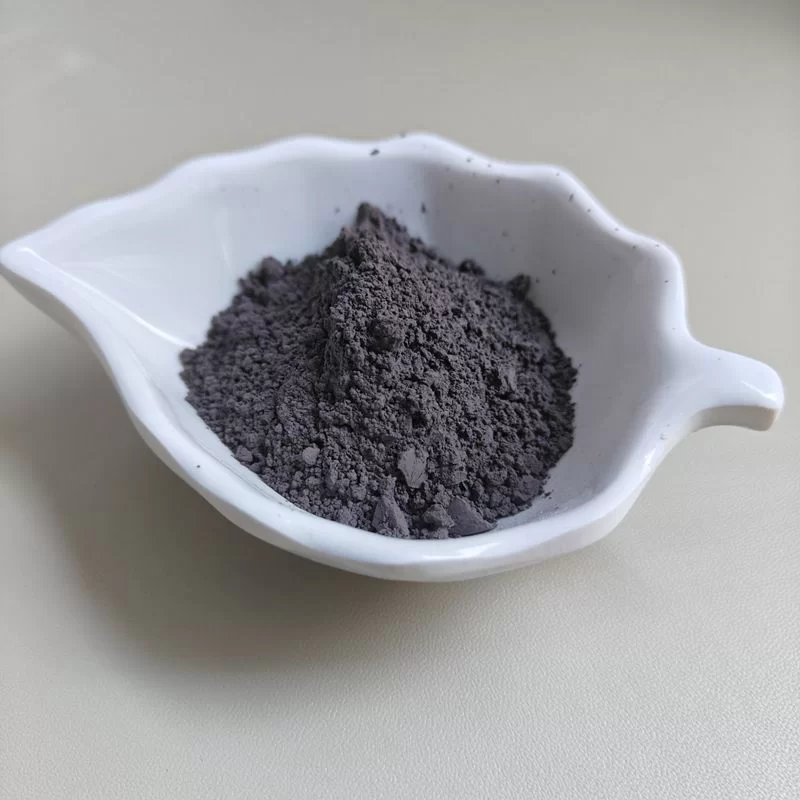
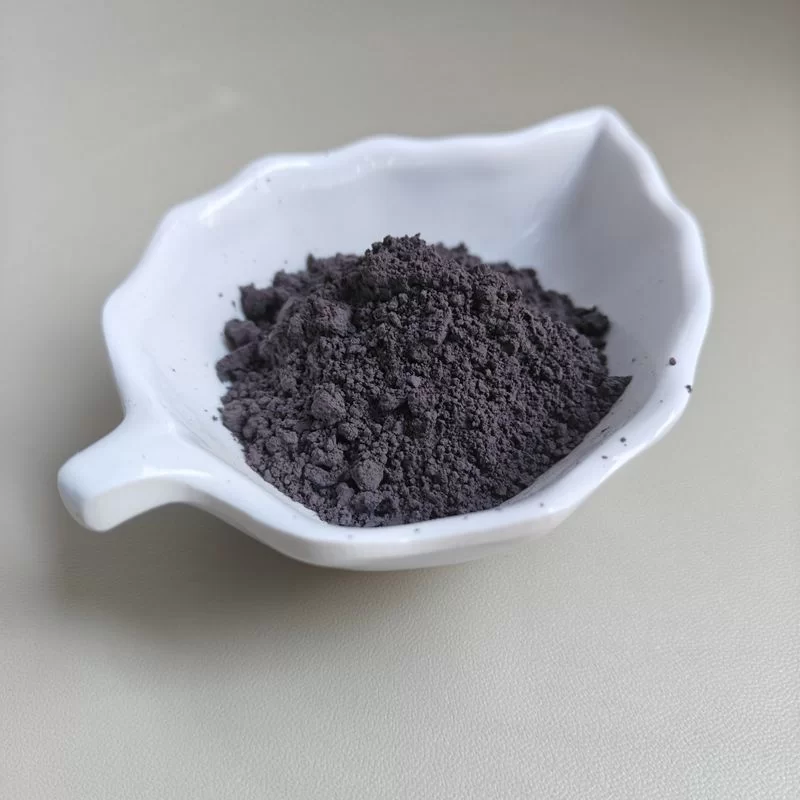
Biotite powder is one of the most common mica-group minerals found in igneous and metamorphic rocks, and it is widely recognized for its distinctive dark coloration. The biotite mineral color is not only a key identifying feature in geology but also an important factor influencing its industrial applications, optical properties, and material behavior. Understanding its color characteristics helps geologists, manufacturers, and material engineers evaluate its quality and suitability for different uses.


What Is the Typical Biotite Mineral Color?


The most recognizable biotite mineral color is dark brown to black, although in some cases it may appear greenish-black or deep olive depending on its chemical composition and iron-magnesium ratio. This dark coloration is due to the high presence of iron (Fe) and magnesium (Mg) within its crystal structure. The more iron-rich the biotite is, the darker and more opaque it tends to appear.

In thin sheets, biotite may show slight translucency along the edges, revealing subtle brown or green tones when light passes through. However, in most bulk samples, it appears almost completely black due to its strong light absorption properties.


Why Does Biotite Have a Dark Color?


The biotite mineral color is primarily controlled by its chemical composition. Biotite is part of the phyllosilicate (mica) group and has a layered structure containing potassium, iron, magnesium, aluminum, and silicate sheets.

Iron plays the most important role in determining color intensity. Higher iron content leads to darker shades, while variations in magnesium can slightly soften the tone toward brownish or greenish hues. This internal structure also causes strong light absorption, which is why biotite appears dark and glossy rather than bright or transparent like other silicate minerals.


Biotite Physical Appearance and Optical Properties


Beyond its color, biotite has a characteristic vitreous to pearly luster, especially on cleavage surfaces. When split into thin sheets, it exhibits a flexible and elastic structure typical of mica minerals. The biotite mineral color combined with its reflective surface creates a shimmering effect in rock formations, especially in granite and schist.

Under a microscope, biotite can show pleochroism, meaning its color appears to change slightly depending on the viewing angle. This optical property ranges from dark brown to yellowish-brown in thin sections, making it a valuable mineral in petrographic analysis.


Geological Occurrence and Color Variation of Biotite


Biotite is commonly found in igneous rocks such as granite, diorite, and pegmatite, as well as metamorphic rocks like schist and gneiss. The biotite mineral color can vary slightly depending on the geological environment in which it forms.

For example:

  • In granite, biotite often appears as shiny black flakes mixed with quartz and feldspar.

  • In metamorphic rocks, it may form aligned layers, giving rocks a striped appearance.

  • In hydrothermal environments, altered biotite may show lighter brown tones due to chemical changes.

These variations help geologists identify rock formation conditions and thermal history.


Industrial Applications Influenced by Biotite Color


Although biotite itself is less commonly used than other mica minerals in large-scale industrial applications, its color and composition still influence its use in certain fields.

  1. Construction Materials
    The dark biotite mineral color is sometimes used in decorative stone and architectural finishes, especially in granite countertops and building facades where speckled black mineral patterns are desired.

  2. Ceramics and Glass Industry
    Biotite can contribute to pigmentation and thermal stability in certain ceramic formulations. Its dark color helps create deeper tones in ceramic glazes.

  3. Geological and Mineral Research
    Biotite is widely used as an indicator mineral in petrology. Its color, along with chemical composition, helps scientists determine rock age and formation conditions.

  4. Industrial Fillers (Limited Use)
    In some specialized applications, biotite may be processed into mineral fillers, although it is less preferred than muscovite or sericite due to its darker color and higher iron content.


Biotite Color vs Other Mica Minerals


The biotite mineral color is significantly darker compared to other mica group minerals such as muscovite or sericite.

  • Muscovite: light silver, transparent to pale yellow

  • Sericite: white to light gray, very fine-grained

  • Biotite: dark brown to black

This contrast makes biotite easily distinguishable in rock samples and geological studies. While lighter micas are preferred in cosmetics and coatings, biotite is more important for geological interpretation and structural analysis.


Environmental and Weathering Effects on Color


Biotite is relatively unstable under weathering conditions. Over time, exposure to water and oxygen can alter its structure through a process called hydrothermal alteration or oxidation. This can cause the biotite mineral color to fade from deep black to brownish or even golden tones.

During weathering, biotite may transform into clay minerals such as chlorite or vermiculite, further changing its appearance and physical properties. These changes are important indicators of soil formation and rock decomposition processes.


Conclusion

The biotite mineral color is a defining characteristic that reflects its iron-rich composition, geological formation environment, and structural properties. Typically ranging from dark brown to black, this mineral plays an essential role in geological studies and provides valuable insights into rock formation processes. While its industrial applications are limited compared to lighter mica minerals, its unique color and optical behavior make it an important mineral in earth science and material research.

Understanding biotite’s color not only helps in mineral identification but also contributes to broader applications in geology, construction materials, and environmental studies.


If you are interested in our products, you can choose to leave your information here, and we will be in touch with you shortly.