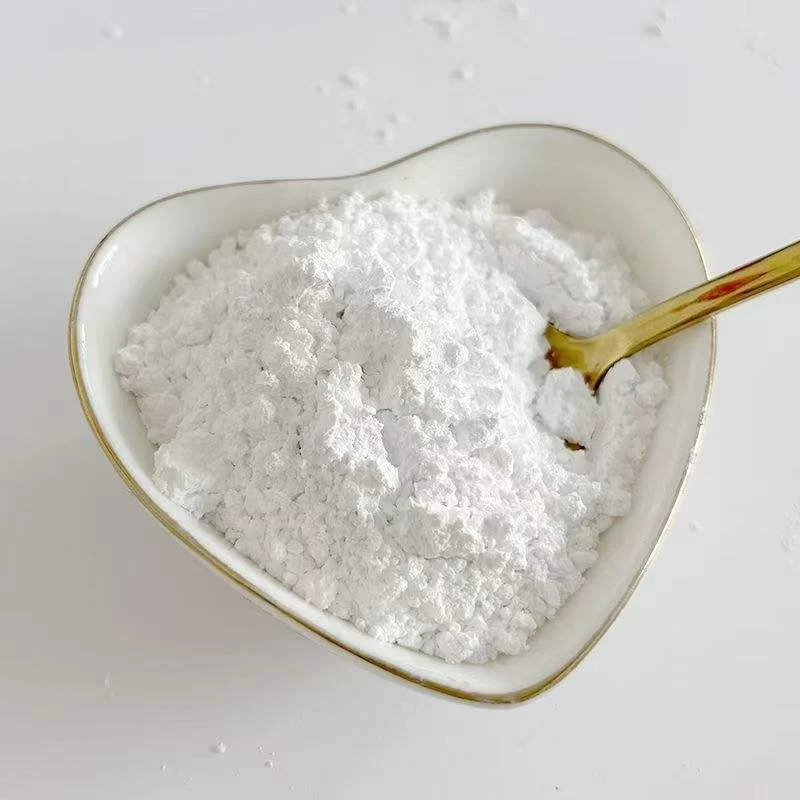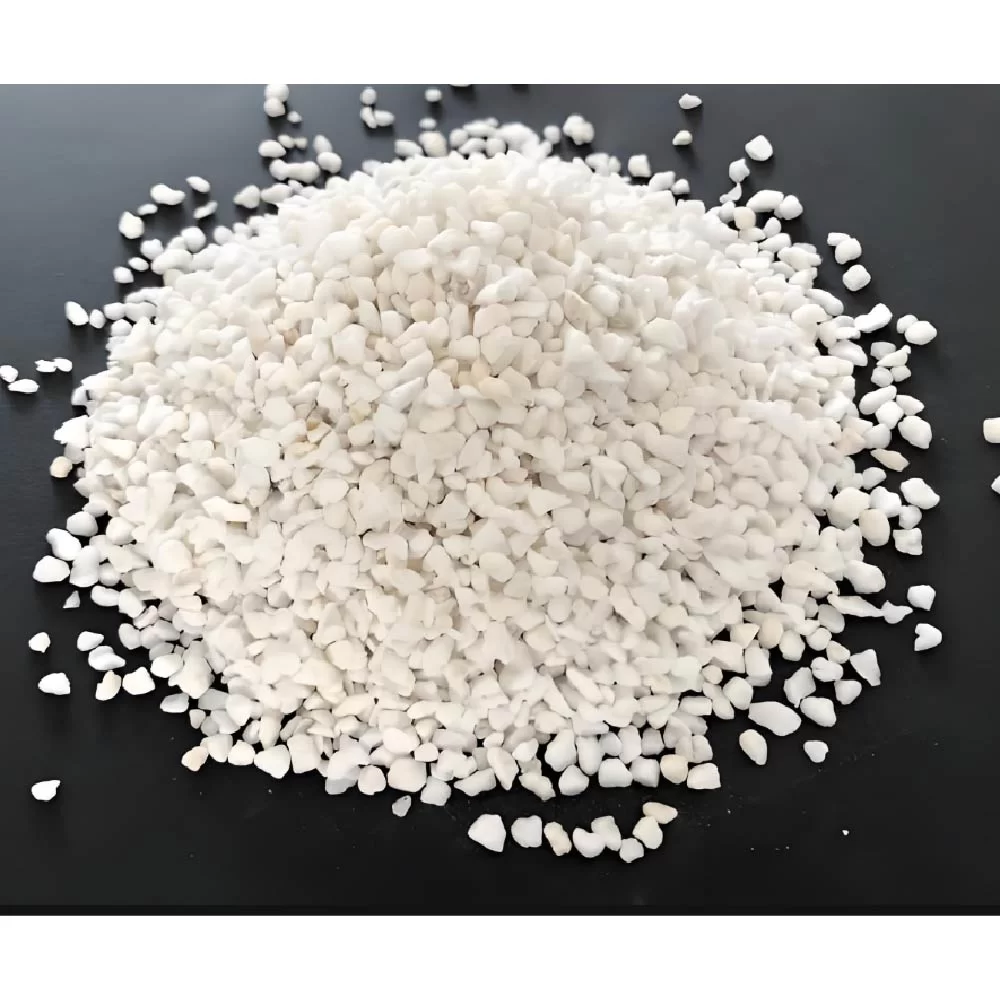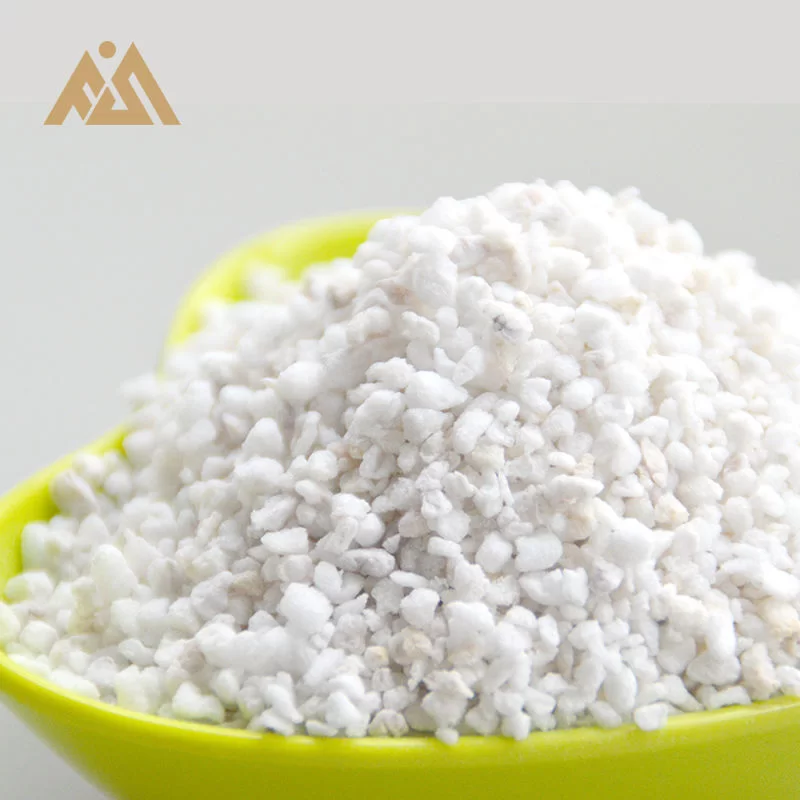
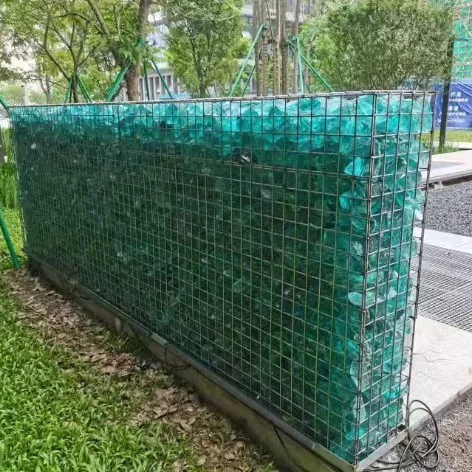
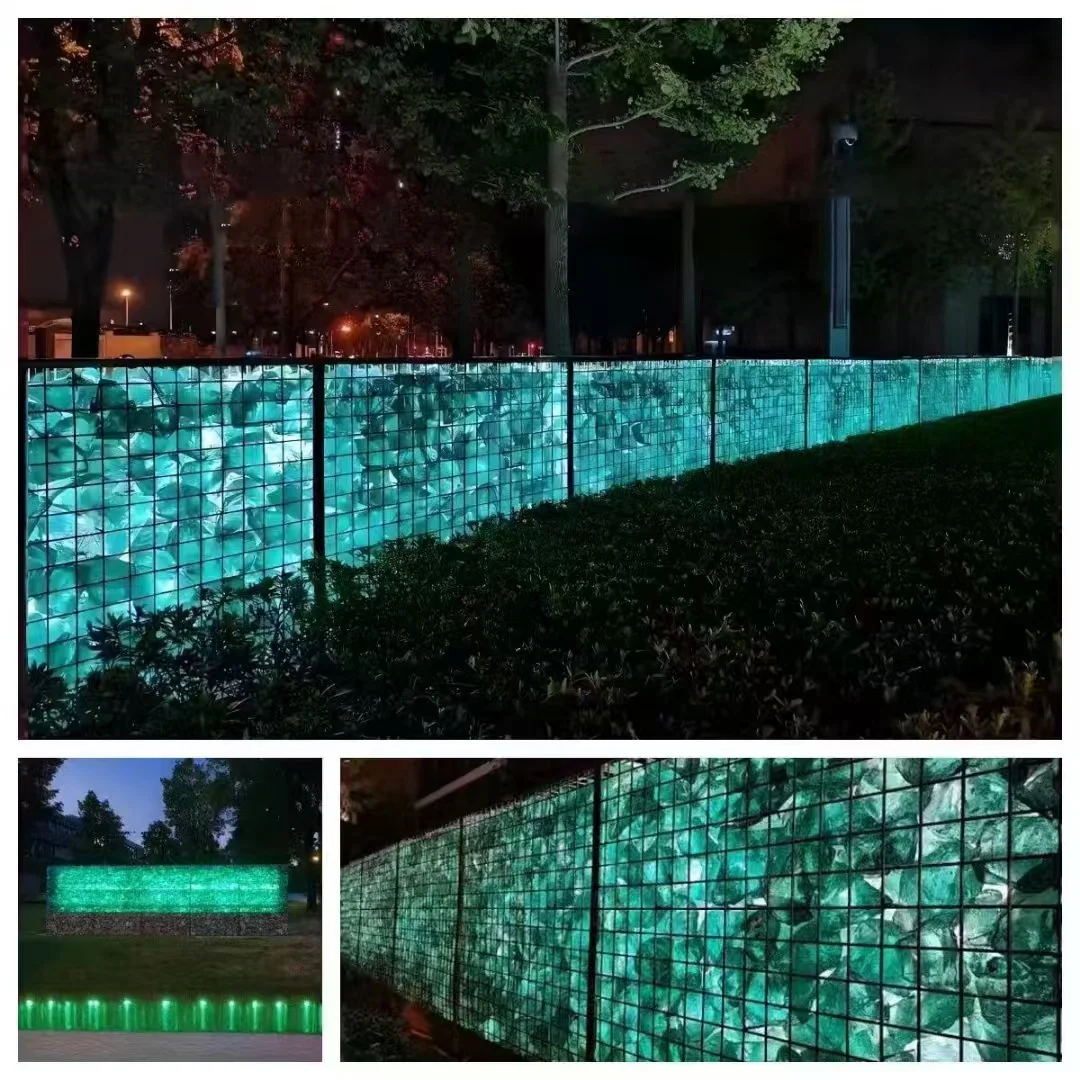
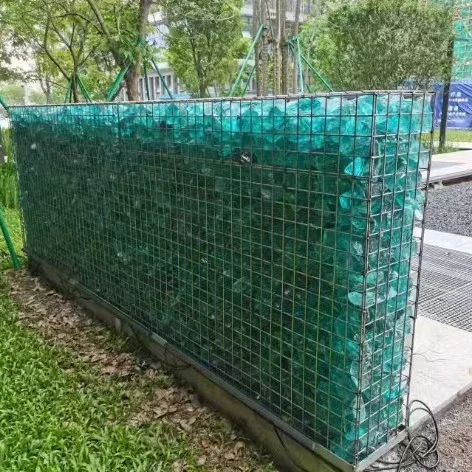
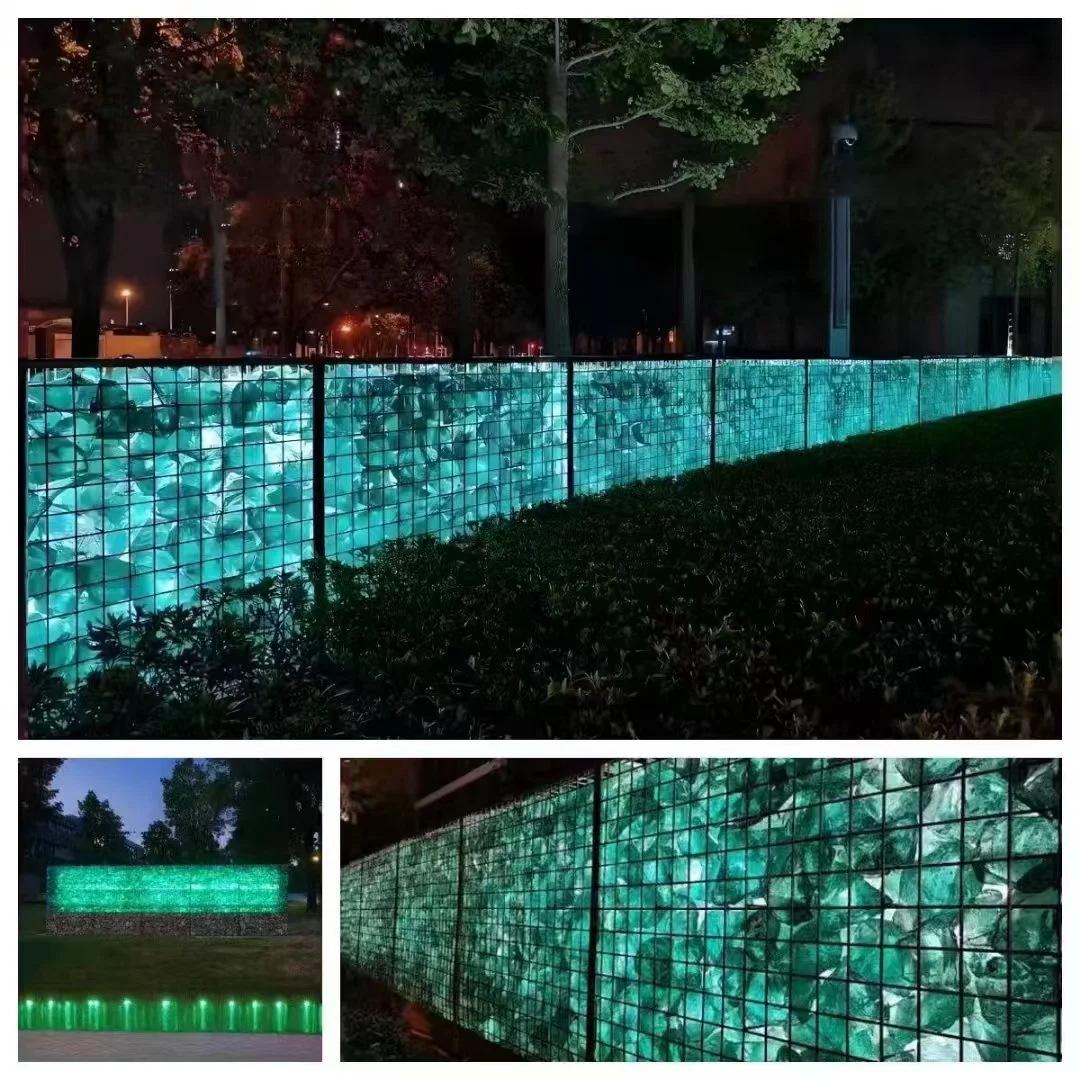
Glass Gravel is a high-performance, innovative lightweight aggregate engineered from 100% recycled glass. Through a precise foaming and sintering process, crushed glass is transformed into porous granules that offer a superior combination of structural stability, thermal insulation, and exceptional drainage. This eco-friendly material is designed to meet the rigorous demands of modern construction, geotechnical engineering, and sustainable landscaping.
Characterized by its extremely low density and closed-cell internal structure, Glass Gravel significantly reduces the overall load on structural systems while providing outstanding frost resistance. Being chemically inert and fire-resistant, it serves as a durable, long-lasting alternative to traditional natural aggregates, empowering architects and engineers to build greener, more efficient infrastructure without compromising on technical performance.
| Material Composition | 100% Recycled Glass | Manufacturing Process | Foaming & Sintering |
|---|---|---|---|
| Physical Structure | Closed-Cell Porous | Density Level | Ultra-Low Density |
| Chemical Nature | Chemically Inert | Thermal Property | High Insulation |
| Fire Resistance | Non-Combustible | Environmental Status | Circular Economy Material |
| Primary Use | Lightweight Aggregate | Durability | Decay & Rot Resistant |
Provides exceptional structural stability and ground reinforcement for civil engineering projects.
Chemically inert and resistant to decay, ensuring a lifespan that exceeds natural aggregates.
Closed-cell structure offers premium thermal insulation, perfect for passive house foundations.
Prevents moisture build-up and soil shifting, optimizing water management in landscaping.
Extremely low density reduces transportation costs and minimizes structural dead loads.
Repurposes industrial glass waste to support circular economy and LEED certifications.
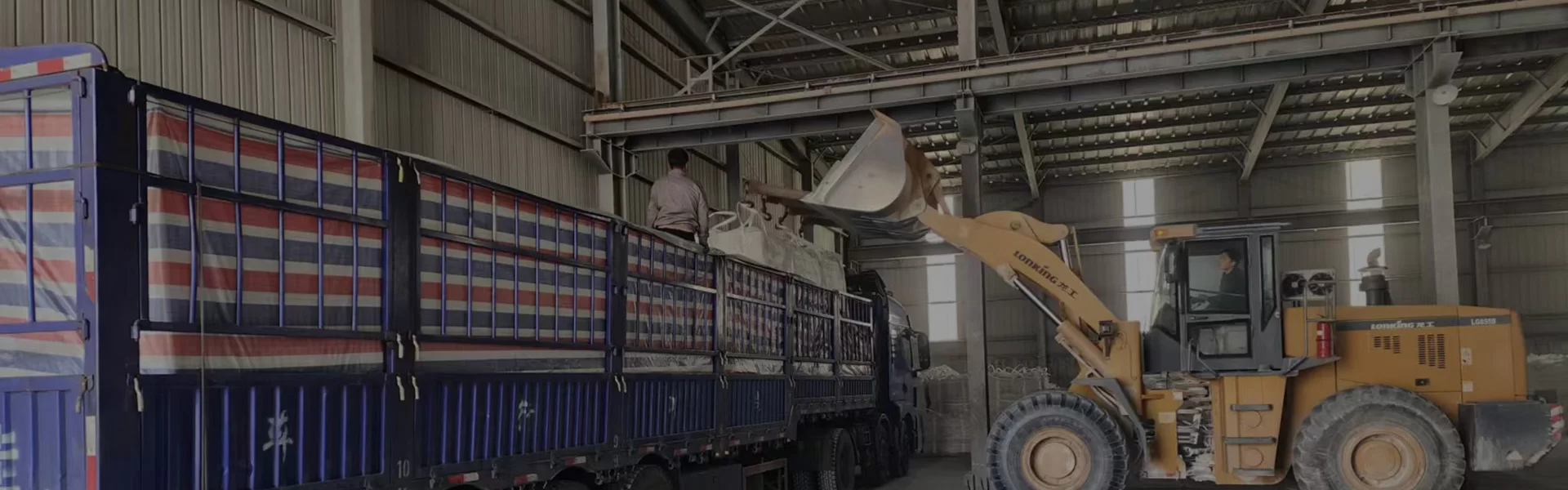
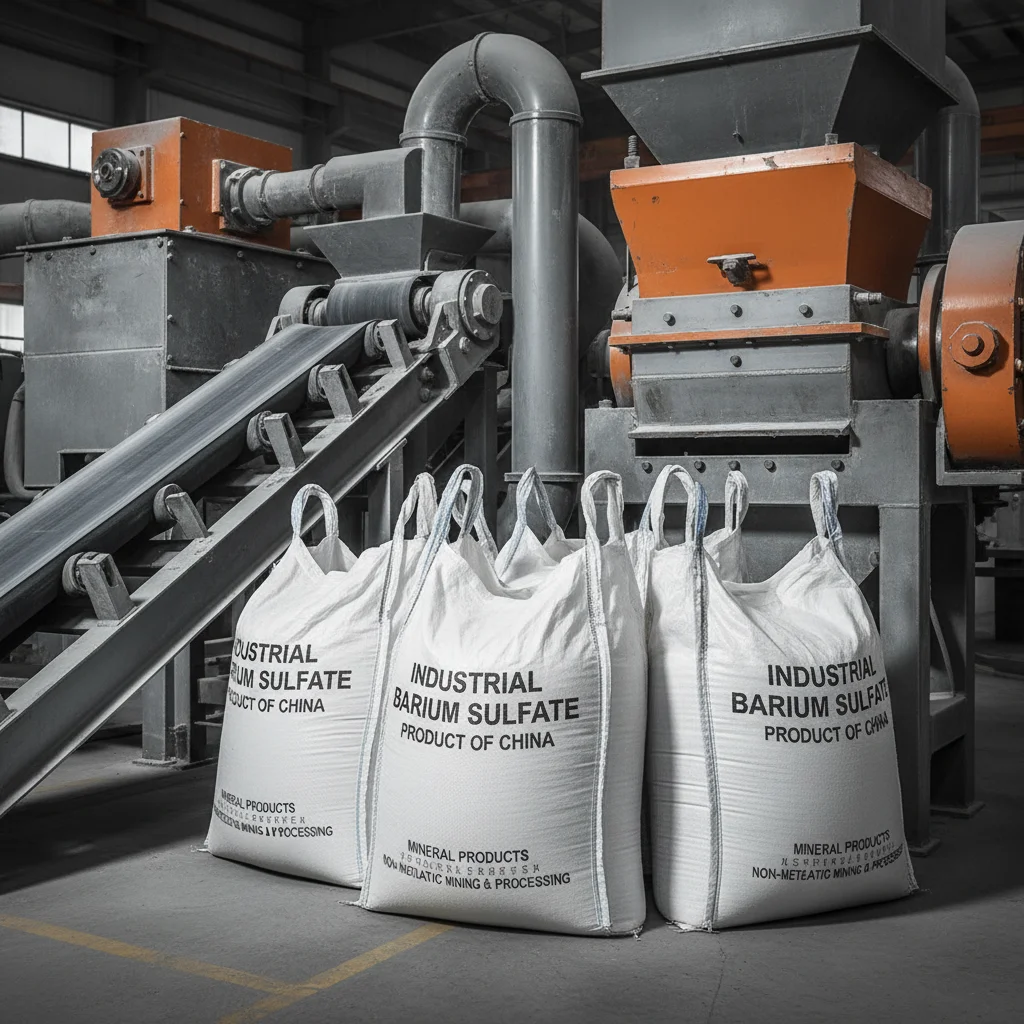
Optimized transport management for lightweight bulk materials to reduce shipping costs.
Rigorous sintering and foaming tests to ensure uniform porosity and strength.
Real-time monitoring of recycled glass input to validate sustainability certificates.
Expert guidance on void filling and insulation layering for specialized construction.
Strategic stockpiling of various granule sizes to ensure rapid project deployment.
Customized aggregate solutions tailored to specific geotechnical load requirements.
| Metric | Natural Aggregate | Glass Gravel |
|---|---|---|
| Transport Cost | High (Heavy Weight) | Low (Lightweight) |
| Installation Speed | Standard | Rapid/Efficient |
| Insulation Value | Low | Exceptionally High |
| Environmental Impact | Resource Depleting | Waste Reducing |
| Long-term Maintenance | Moderate | Very Low |
Unlike natural gravel, Glass Gravel is a recycled, lightweight aggregate with a closed-cell structure, providing significantly better thermal insulation and lower structural load.
Yes, its superior drainage capabilities and lightweight nature make it an ideal substrate for green roofs, preventing moisture accumulation while reducing weight on the roof slab.
It repurposes post-consumer and industrial glass that would otherwise end up in landfills, promoting a circular economy in the non-metallic mining and construction sectors.
Absolutely. Its low thermal conductivity makes it an excellent choice for insulating concrete slabs, particularly in energy-efficient "passive house" designs.
Yes, Glass Gravel is manufactured through a high-temperature sintering process, rendering it non-combustible and fire-resistant.
No, Glass Gravel is chemically inert, meaning it does not react with surrounding soil or water, making it safe for a wide range of geotechnical applications.
Naki Bentonite solves key challenges: it traps water impurities for purification, maintains well stability in drilling, and boosts soil’s water-holding ability—all powered by its strong swelling and adsorption traits.
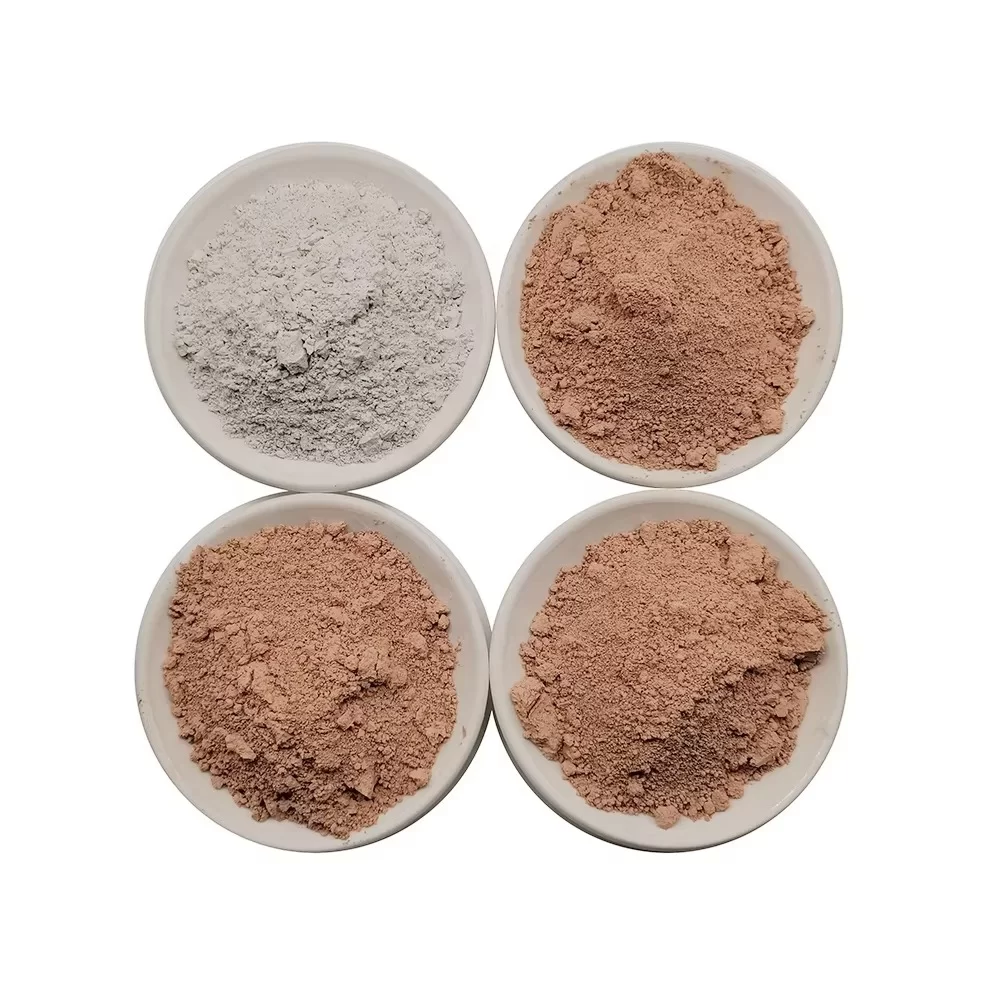
High-quality kaolin experiences physical and chemical transformations when calcined at high temperatures. It loses components such as fluorine through dehydration and crystallization. Once cooled, it becomes calcined kaolin—characterized by high silicon content, excellent whiteness, strong oil absorption, and great hardness. This material is widely applied in ceramics, papermaking, wall tiles, floor tiles, rubber, chemical coatings, and more.
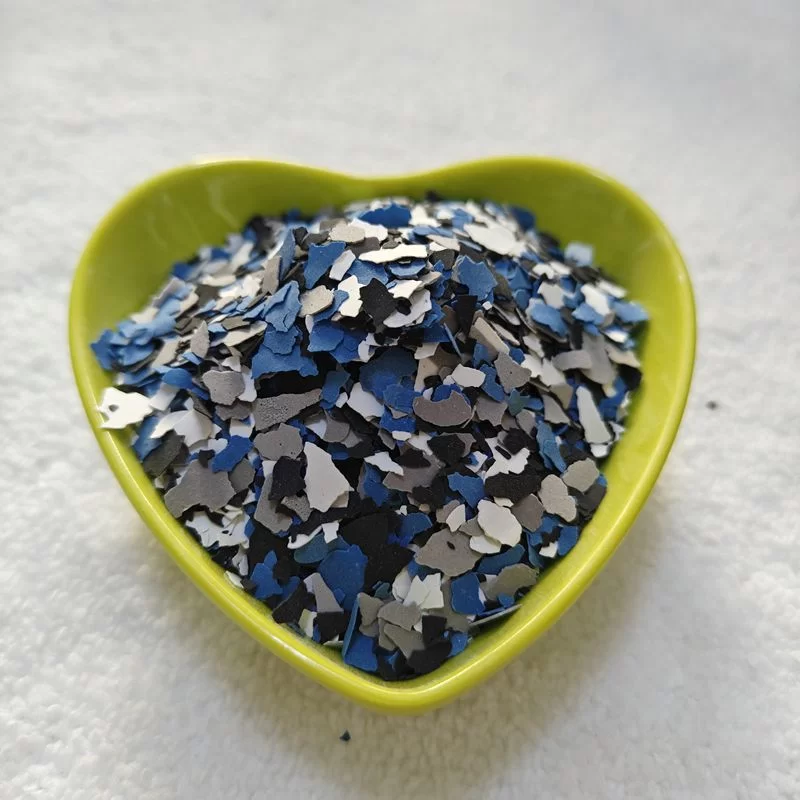
Environmentally friendly composite flakes for green building projects. Low VOC, water-based formulation with excellent coverage and application properties. LEED compliant.
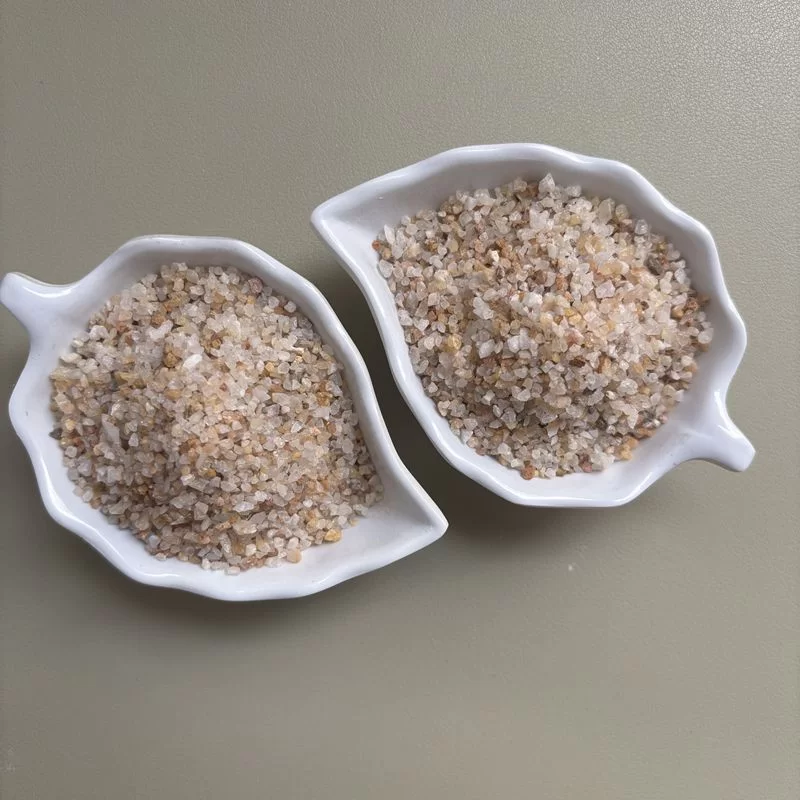
Ordinary quartz powder effectively used as a filtration media for water treatment and as cost-efficient foundry sand in metalcasting. Reliable performance with 99% SiO₂.
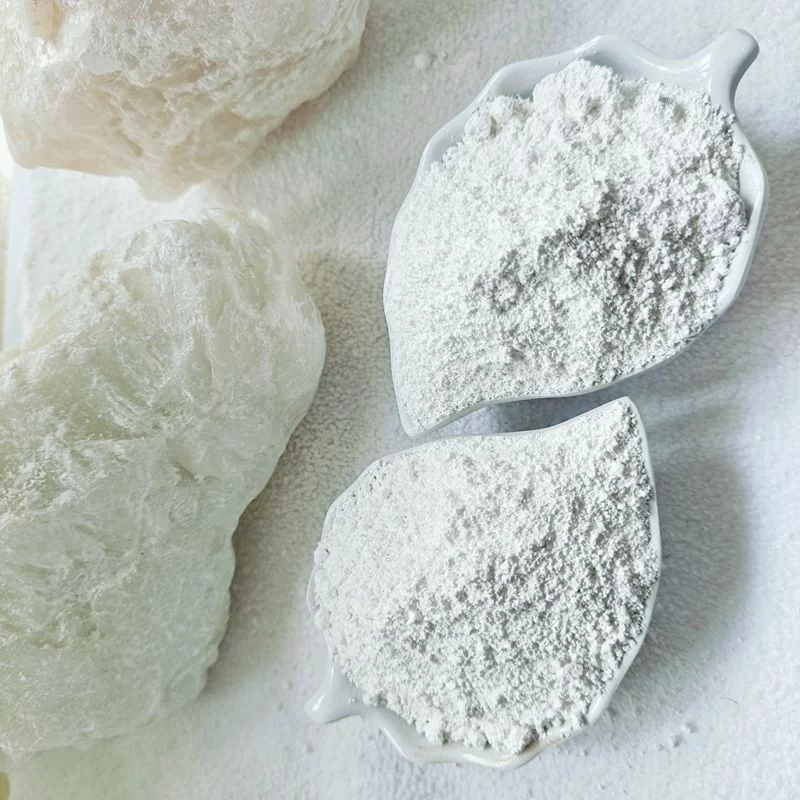
Calcined talc powder specifically designed for rubber applications. Functions as effective filler, release agent, and surface treatment agent while improving heat resistance and mechanical properties.
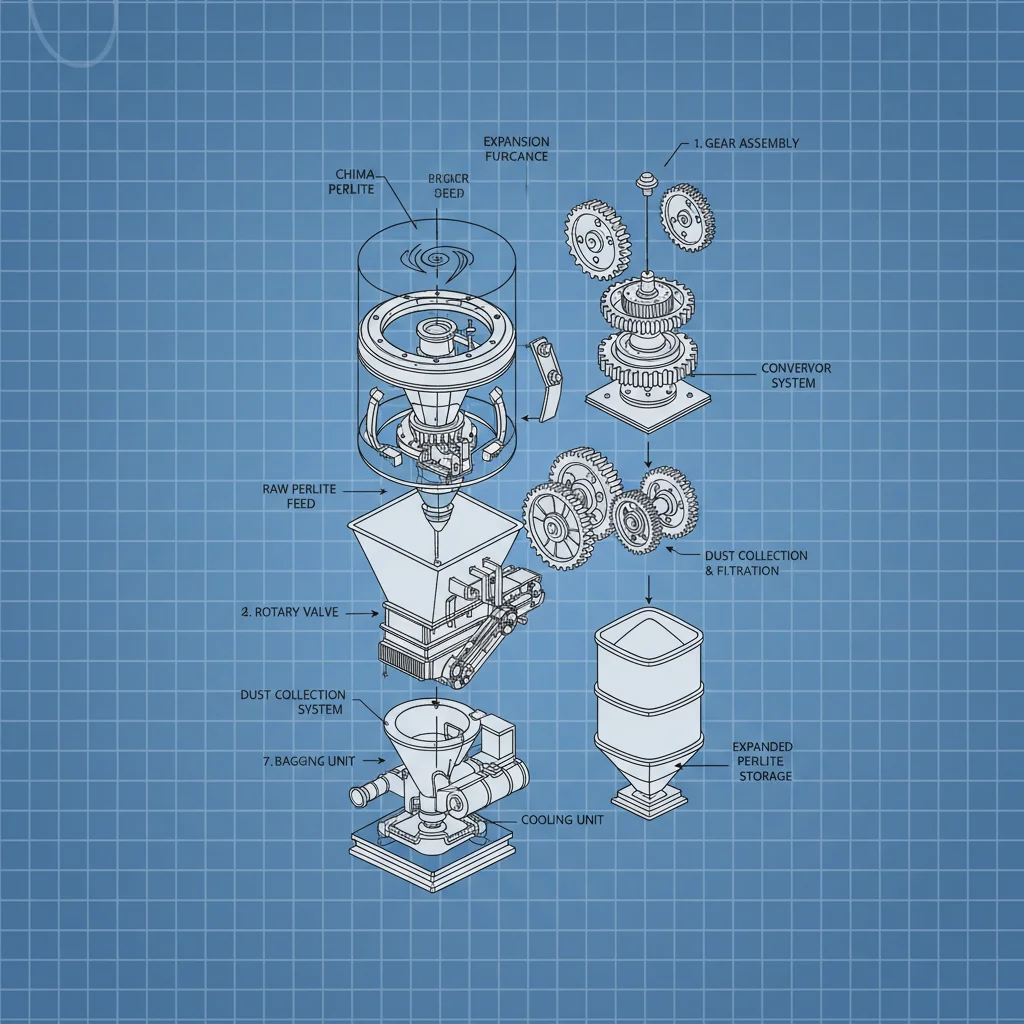
Food-grade expanded perlite for industrial filtration applications. High flow rates, excellent clarity, and consistent performance as filter aid in food, beverage, and pharmaceutical industries.
Horticultural expanded perlite for professional gardening and agriculture. Improves soil aeration, drainage, and moisture retention. Sterile, pH neutral, and ideal for soilless growing mixes.
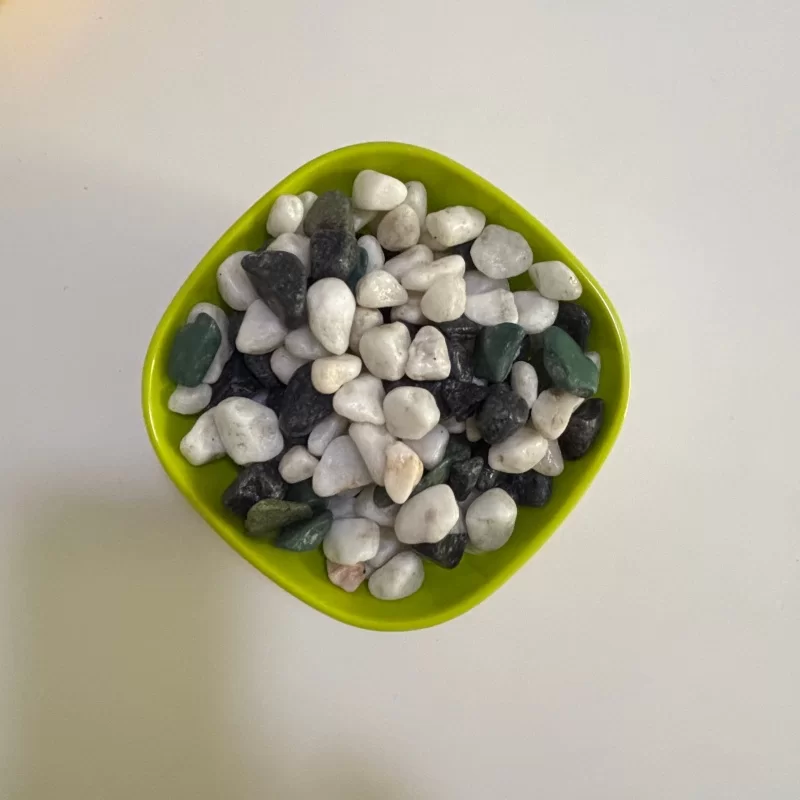
Pebbles do not pursue elaborate artificial carving; instead, they retain the traces shaped by time and natural forces to the greatest extent. Available in diverse colors and complete sizes, pebbles are widely used in landscape and construction fields thanks to their natural properties, water permeability, wear resistance and rich natural charm—such as paving and garden paths, water feature creation, cultural stone and stone cladding, and filter media.





If you are interested in our products, you can choose to leave your information here, and we will be in touch with you shortly.