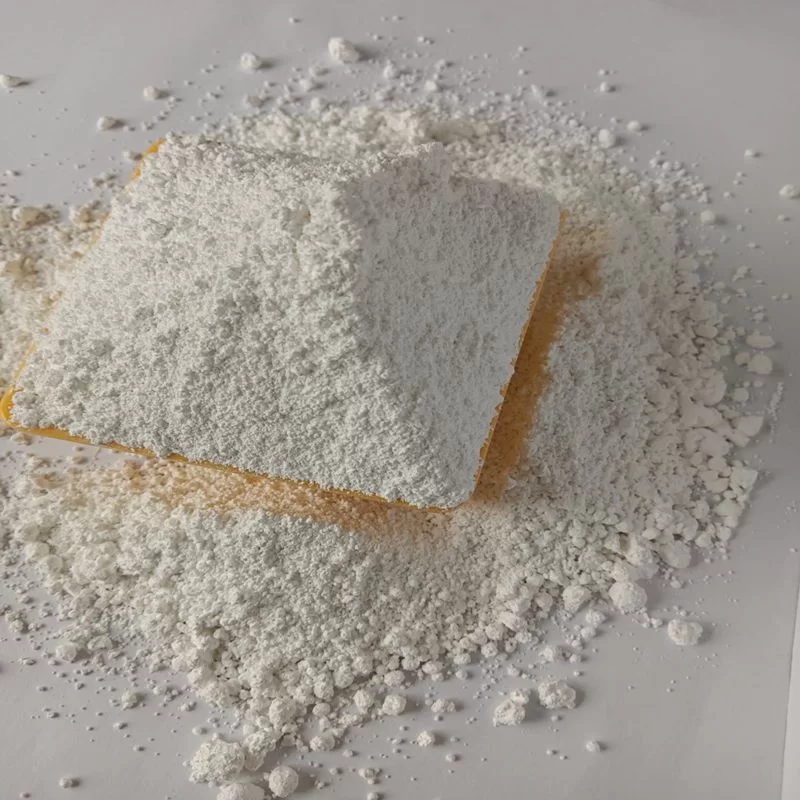
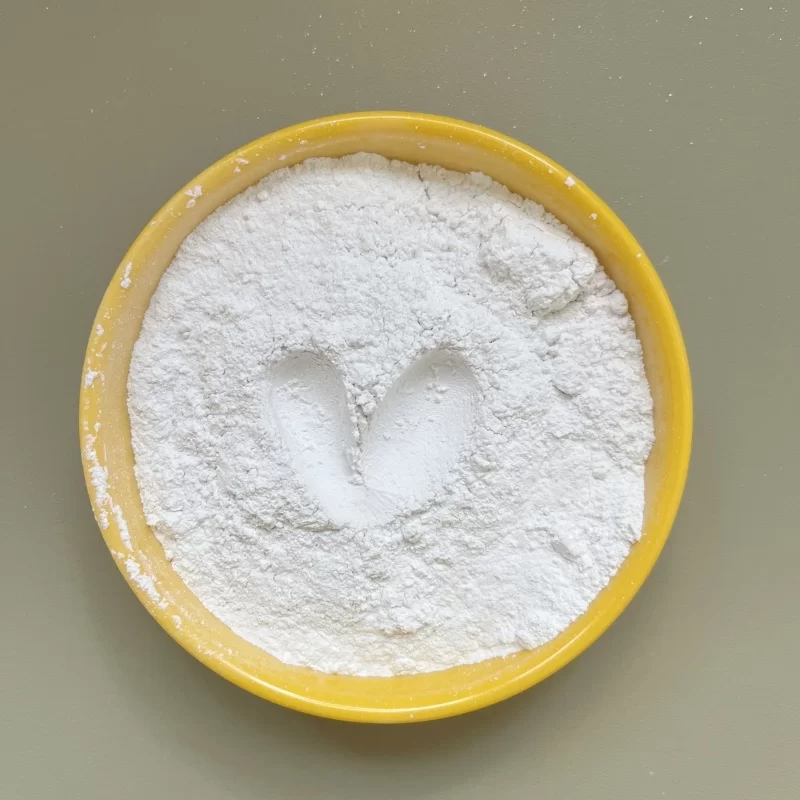
Calcined Kaolin is an important industrial mineral widely used in coatings, plastics, ceramics, rubber, paper, construction materials, and many other manufacturing industries. Known for its excellent whiteness, low moisture content, and improved physical properties, calcined kaolin has become a valuable raw material for manufacturers seeking better product performance and production efficiency.
But what exactly is calcined kaolin, and why is it different from regular kaolin clay? In this article, we will explore the production process, characteristics, applications, and advantages of calcined kaolin in modern industrial manufacturing.
Calcined kaolin is a processed form of kaolin clay that has been heated at high temperatures, usually between 700°C and 1100°C. During the calcination process, the chemically bound water inside the kaolin mineral structure is removed, causing physical and chemical changes that improve the material’s performance.
The raw material for calcined kaolin comes from natural kaolin clay, also known as china clay. After mining and purification, the kaolin undergoes controlled thermal treatment in rotary kilns or vertical calciners. This heating process increases whiteness, hardness, opacity, and electrical insulation properties.
Compared with raw kaolin, calcined kaolin powder has:
Higher brightness and whiteness
Lower moisture content
Better dispersion performance
Improved opacity
Enhanced wear resistance
Higher electrical resistivity
Because of these advantages, calcined kaolin is widely used as a functional filler and performance-enhancing additive in many industrial products.
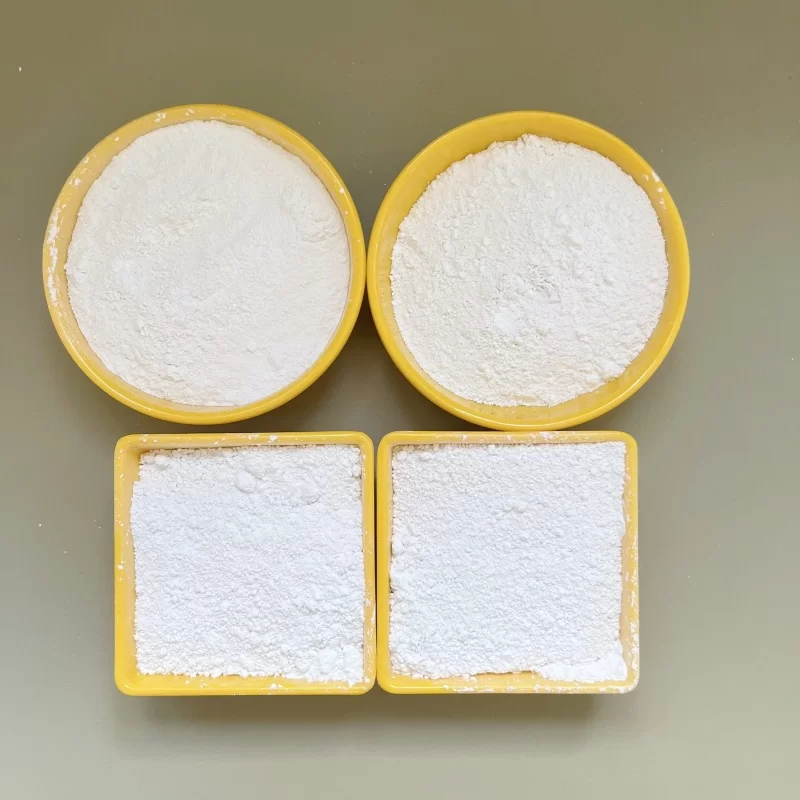
The production process of calcined kaolin involves several important stages to ensure consistent quality and particle size distribution.
Natural kaolin clay is extracted from deposits and purified to remove impurities such as quartz, iron oxide, and organic matter. This improves the brightness and purity of the final product.
The purified kaolin is dried and milled into fine powder. Proper particle size control is important because it directly affects the performance of calcined kaolin in industrial applications.
The powdered kaolin is heated at high temperatures in specialized furnaces. During this process, the kaolin undergoes structural transformation and loses chemically combined water.
A simplified reaction can be expressed as:
This transformation produces metakaolin and other activated mineral phases with improved industrial properties.
After calcination, the material is cooled, classified, and packaged according to particle size and industrial requirements.
Calcined kaolin offers several unique characteristics that make it highly valuable in industrial production.
High Whiteness
One of the most important properties of calcined kaolin is its exceptional whiteness and brightness. This helps manufacturers improve the appearance of coatings, plastics, paper, and ceramics.
Excellent Opacity
Calcined kaolin enhances opacity and hiding power in paints and coatings. It is often used as a cost-effective extender pigment alongside titanium dioxide.
Low Moisture Content
The calcination process removes chemically bound water, resulting in very low moisture levels. This improves storage stability and processing performance.
Improved Hardness
Calcined kaolin has higher hardness compared with raw kaolin clay, making it useful in applications requiring abrasion resistance.
Electrical Insulation
Because of its high resistivity and stable chemical properties, calcined kaolin is commonly used in electrical insulation materials and cable compounds.
Calcined kaolin powder is used in a wide range of industries because of its versatility and functional benefits.
The coatings industry is one of the largest consumers of calcined kaolin. It improves paint opacity, brightness, scrub resistance, and suspension properties.
Benefits in coatings include:
Better hiding power
Improved film durability
Enhanced matte finish
Reduced titanium dioxide consumption
Improved rheology control
Calcined kaolin is widely used in architectural paints, industrial coatings, powder coatings, and automotive finishes.
In plastic and rubber manufacturing, calcined kaolin acts as a reinforcing filler that improves mechanical properties and dimensional stability.
Applications include:
PVC compounds
Wire and cable insulation
Rubber products
Automotive plastic parts
Engineering plastics
The addition of calcined kaolin can improve stiffness, surface smoothness, heat resistance, and electrical insulation performance.
Calcined kaolin is an important raw material in ceramic production because of its thermal stability and whiteness.
It is commonly used in:
Ceramic tiles
Sanitary ware
Porcelain products
Refractory materials
The material helps improve firing performance, dimensional stability, and final product appearance.
The paper industry uses calcined kaolin as a coating pigment and filler to improve printability and paper smoothness.
Advantages include:
Higher brightness
Better ink absorption
Improved opacity
Enhanced surface quality
Calcined kaolin is widely used in coated paper, specialty paper, and high-quality printing applications.
Manufacturers choose calcined kaolin because it offers both technical and economic advantages.
Cost Reduction
Calcined kaolin can partially replace more expensive raw materials such as titanium dioxide while maintaining product performance.
Improved Product Quality
Its brightness, opacity, and reinforcing properties help manufacturers produce higher-quality products with better durability and appearance.
Better Processing Performance
Low moisture content and fine particle distribution improve production efficiency and reduce processing problems.
Environmental Stability
Calcined kaolin is chemically stable and resistant to heat and UV exposure, making it suitable for long-term industrial applications.
Although both materials originate from the same clay mineral, there are important differences between raw kaolin and calcined kaolin.
| Property | Raw Kaolin | Calcined Kaolin |
|---|---|---|
| Moisture Content | Higher | Very Low |
| Whiteness | Moderate | Higher |
| Hardness | Softer | Harder |
| Opacity | Lower | Higher |
| Thermal Stability | Lower | Improved |
| Industrial Performance | Basic Filler | Functional Performance Filler |
The calcination process significantly improves the industrial value of kaolin clay.
As industries continue to seek cost-effective and high-performance mineral additives, global demand for calcined kaolin is steadily increasing. The material is becoming increasingly important in sustainable coatings, lightweight plastics, advanced ceramics, and environmentally friendly construction products.
Growing industrialization and infrastructure development are also driving higher consumption of calcined kaolin in paints, paper, and polymer applications worldwide.
Calcined kaolin is a highly versatile industrial mineral that offers excellent whiteness, opacity, thermal stability, and reinforcing properties. Produced through the high-temperature treatment of natural kaolin clay, calcined kaolin powder has become an essential material in coatings, plastics, ceramics, rubber, and paper manufacturing.
With its ability to improve product quality while reducing production costs, calcined kaolin continues to play a critical role in modern industrial applications. As manufacturing industries demand better performance and greater efficiency, the importance of calcined kaolin will continue to grow in global markets.
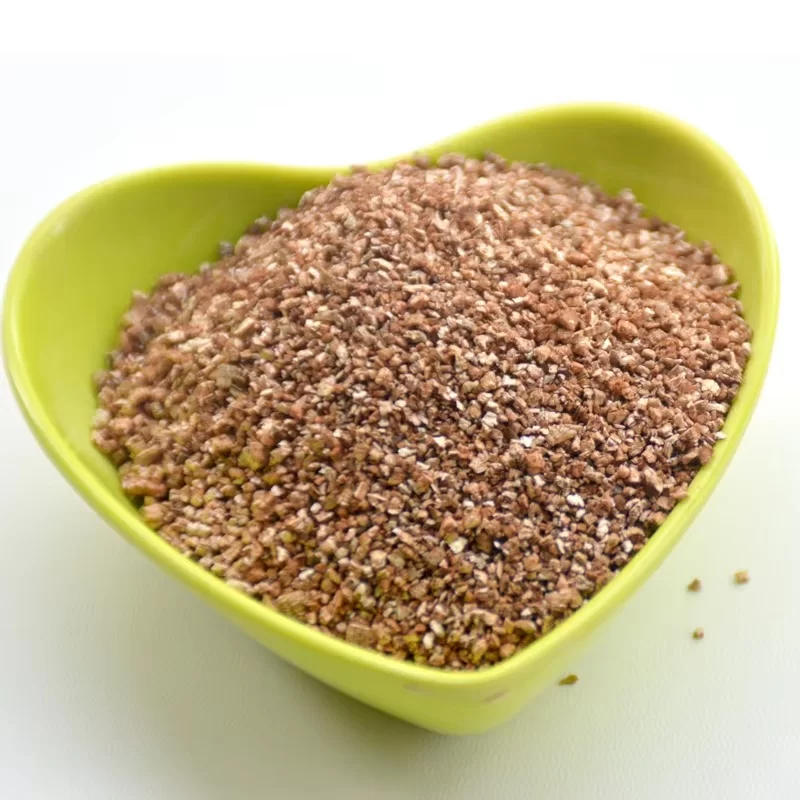
Yellow vermiculite is primarily sourced from the alteration of biotite or phlogopite mica in igneous and metamorphic rocks. Major deposits exist in South Africa, the US, and China, extracted via mining then processed through heating for expansion.
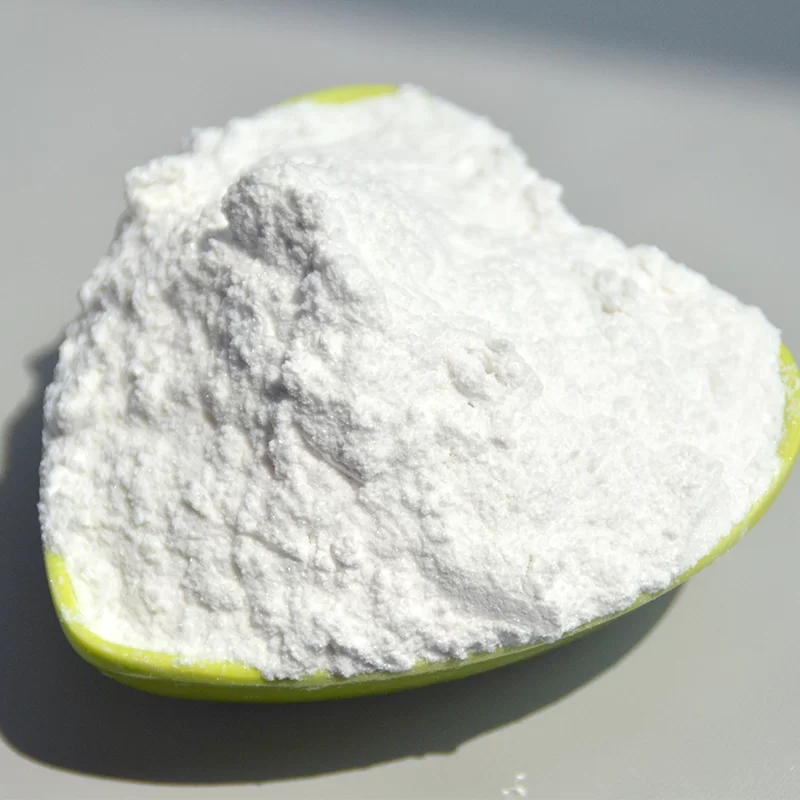
Type: Pure white mica powder, pearlescent mica powder
Particle Size:
600, 800, 1000, 2000, 3000mesh or customized particle size
Application Effect:Matte, pearlescent, glossy
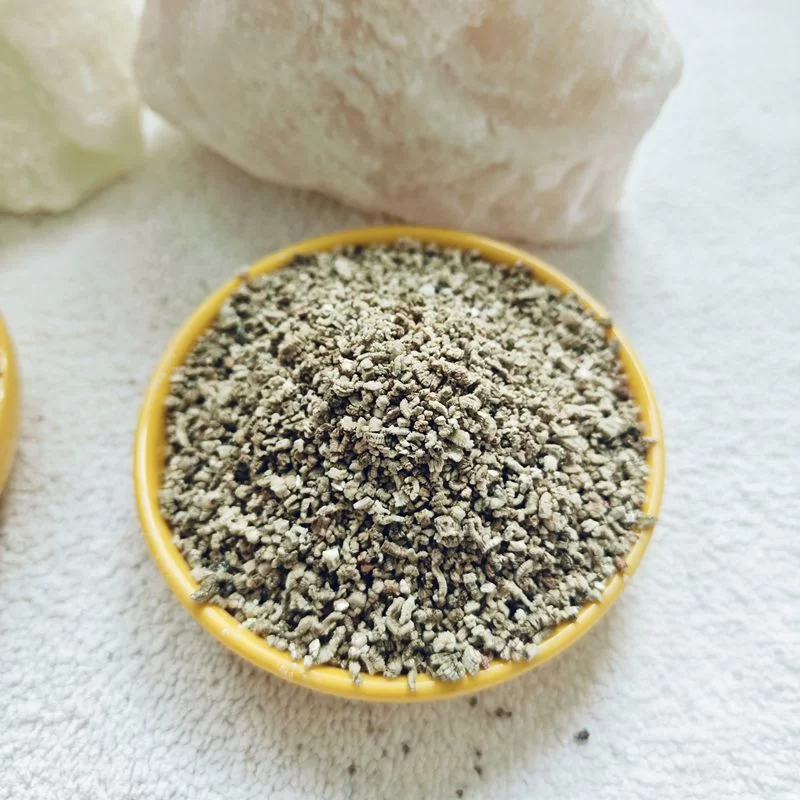
White vermiculite originates from natural magnesium-aluminum silicate rocks. Formed via geological processes like magmatism or metamorphism, it’s mined, then crushed and sorted to remove impurities, with high-quality deposits in South Africa, the US, and China.
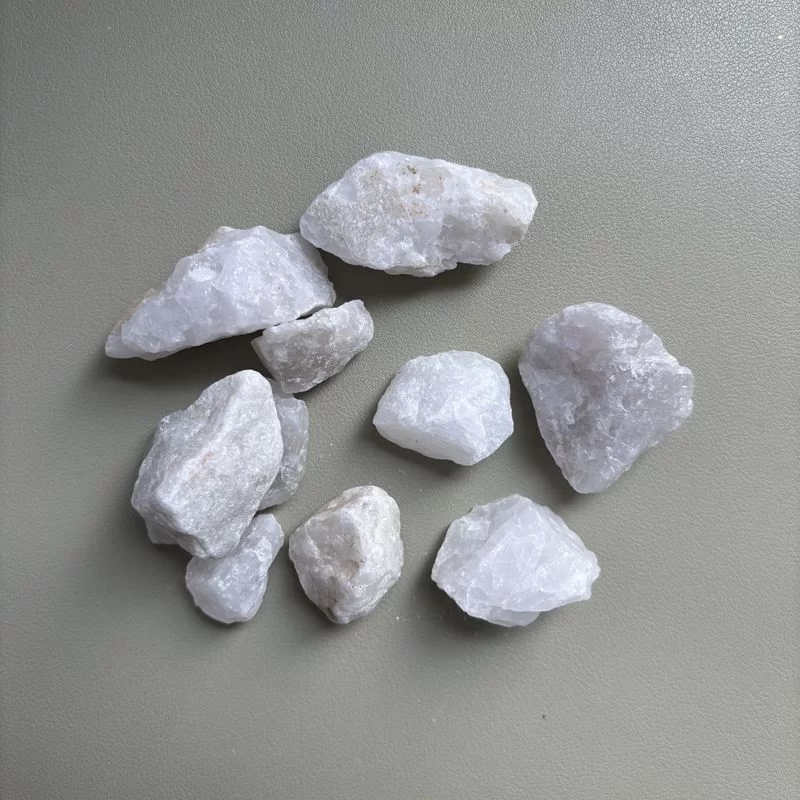
Premium Refined Quartz Powder with 99.5% SiO₂, pure white color. Essential for high-end optics, semiconductors, electronics, and premium coatings. Sizes from 325mesh to 3000mesh,and custom sizes.
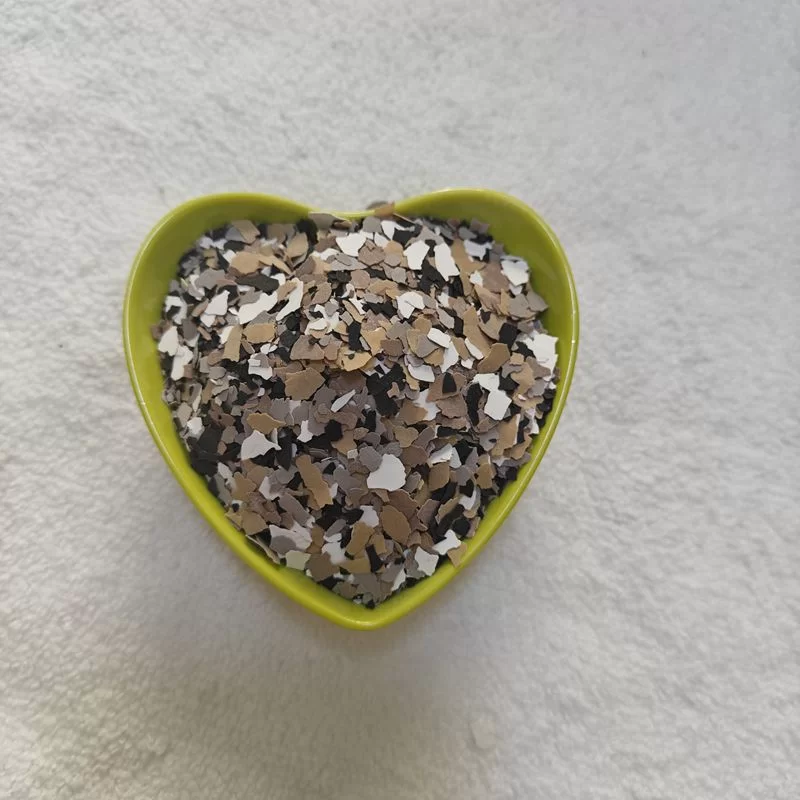
Specialty natural stone chips specifically formulated for real stone paint applications. Delivers authentic granite and marble visual effects with enhanced durability and weather resistance.
High whiteness, high purity, specially developed for interior coatings
Calcium Bentonite is a common clay mineral with moderate swelling and adsorption. It’s widely used in soil improvement, animal feed, and low-demand water treatment for cost-effectiveness.
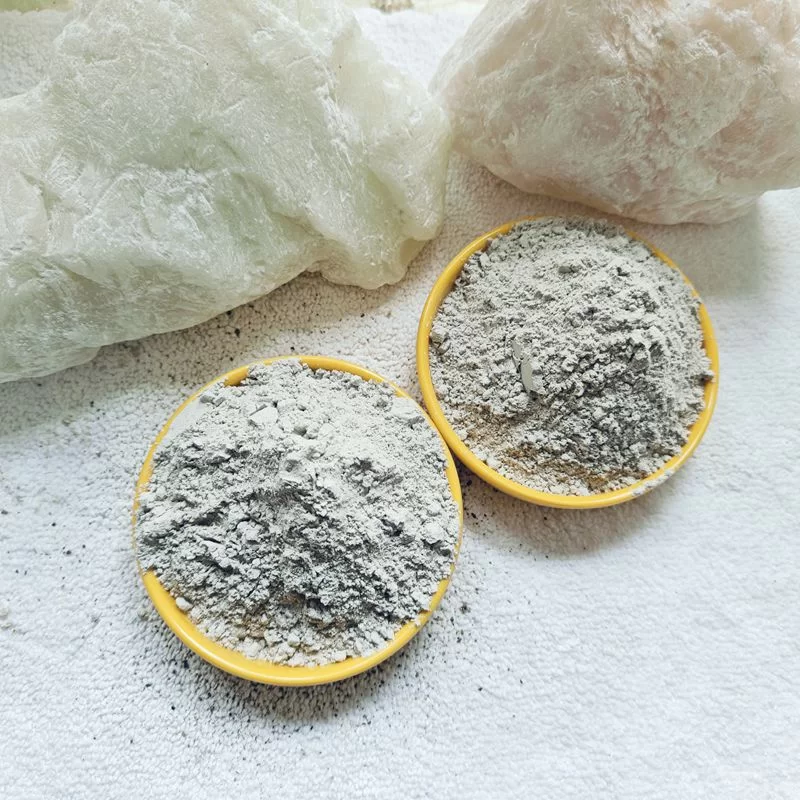
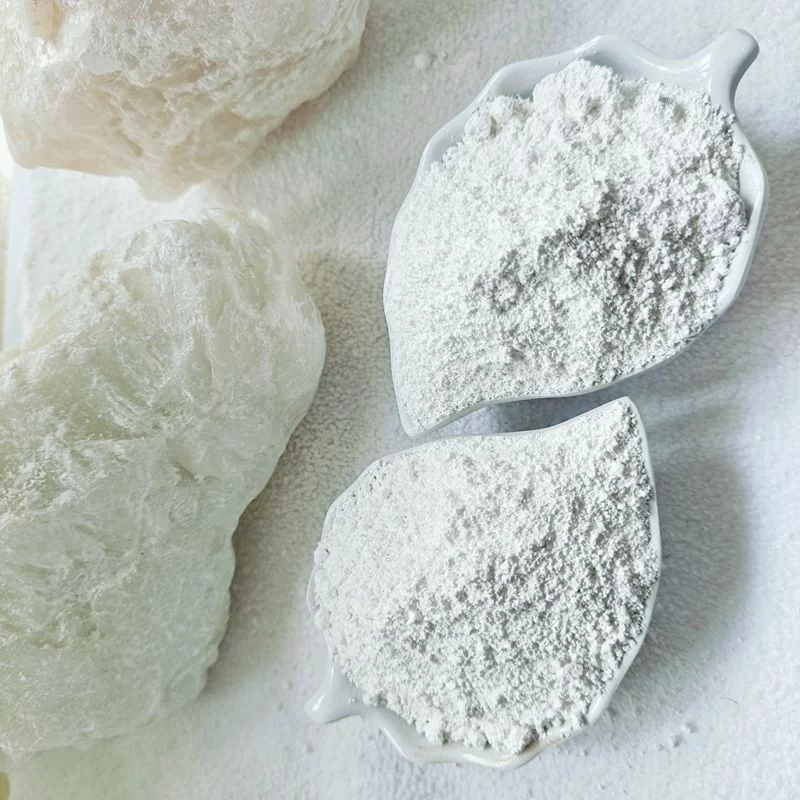
High-quality kaolin experiences physical and chemical transformations when calcined at high temperatures. It loses components such as fluorine through dehydration and crystallization. Once cooled, it becomes calcined kaolin—characterized by high silicon content, excellent whiteness, strong oil absorption, and great hardness. This material is widely applied in ceramics, papermaking, wall tiles, floor tiles, rubber, chemical coatings, and more.
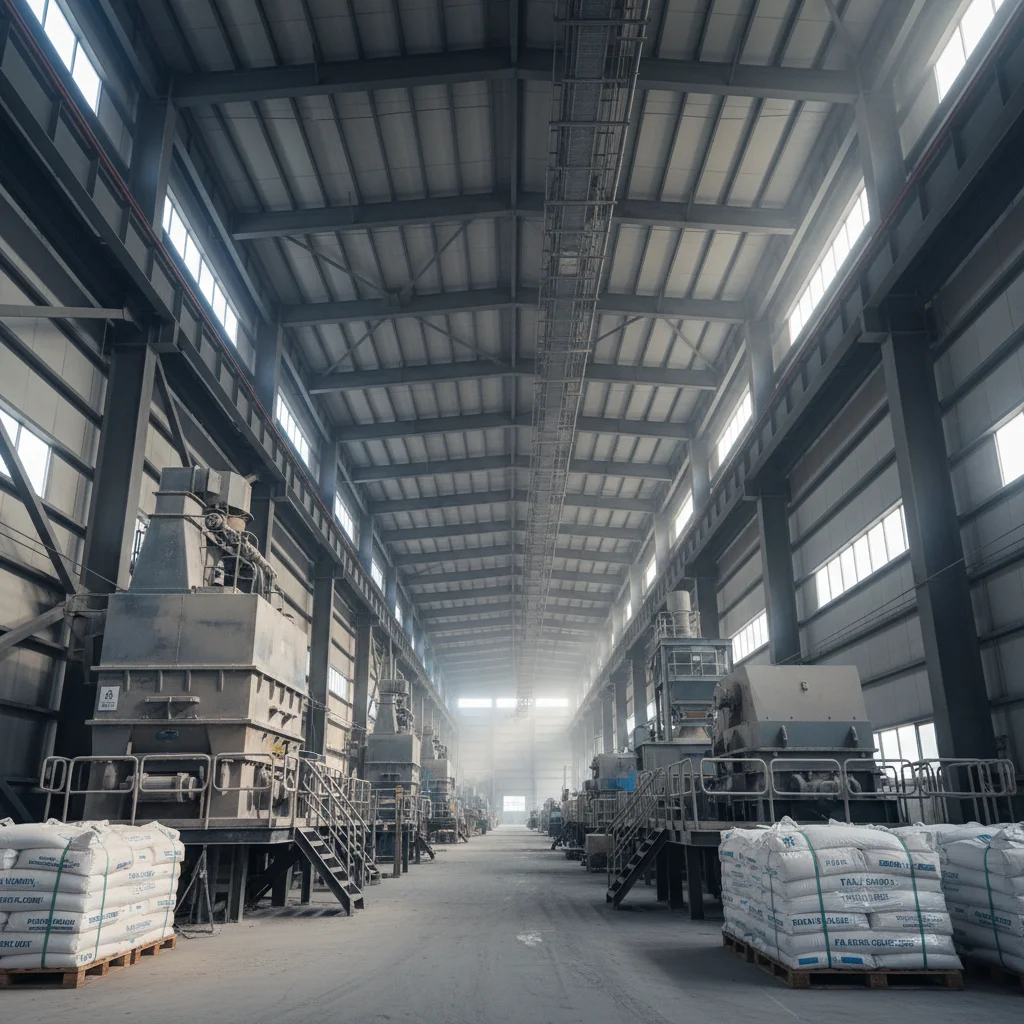



If you are interested in our products, you can choose to leave your information here, and we will be in touch with you shortly.